Category: Wedding Planning

  • Wedding Planning Quotes for a Meaningful Celebration

    Wedding Planning Quotes for a Meaningful Celebration

    Wedding planning quotes can be more useful than a pretty sentence saved to a vision board. The right words give you perspective when the guest list feels impossible, courage when a family opinion gets loud, or a simple reminder that the celebration is meant to support your marriage. They can help you name what matters before the details start competing for attention.

    This collection of wedding planning quotes is organized around the real decisions couples make. You will find ideas for starting with intention, protecting your budget, choosing details with purpose, working with other people, and staying grounded during the final stretch. Use the quotes as prompts rather than rules. A sentence is valuable when it helps you make a decision that fits your relationship, your guests, and your actual life.

    wedding planning quotes for meaningful priorities
    Use wedding planning quotes to keep meaningful priorities visible.

    Some quotations below are familiar lines about love and commitment, while others are original planning prompts written for engaged couples. When a famous quotation is attributed, check the wording and source before printing it on stationery or using it in a ceremony. For your own planning notebook, the most important test is simpler: does the thought help you plan a wedding that feels like yours?

    Why wedding planning quotes can make decisions easier

    Planning creates a strange mix of emotion and administration. You may be choosing a first dance song in the same week that you compare insurance requirements, calculate a catering minimum, and ask relatives to confirm addresses. A thoughtful quote gives the emotional side of the process somewhere to stand. It can turn a vague feeling into a question you can actually answer.

    For example, a reminder to focus on what you will remember can help you decide whether an expensive upgrade is meaningful or merely impressive. A line about partnership can prompt you to divide responsibilities instead of silently carrying a task. A quote about hospitality can move the conversation from how the room photographs to how guests will move, eat, hear, rest, and feel welcomed.

    Keep a small quote list beside your planning priorities. You might choose one sentence for the budget page, one for the guest experience, one for difficult conversations, and one for the final week. This gives each part of the plan a clear emotional purpose. It also prevents inspirational language from becoming another collection to manage.

    A quote should never pressure you to spend more, invite more people, or follow a tradition that does not fit. If a saying makes you feel behind, guilty, or obligated, it is not helping. Replace it with a sentence that restores choice. The most supportive wedding planning quotes create room for a thoughtful yes and a peaceful no.
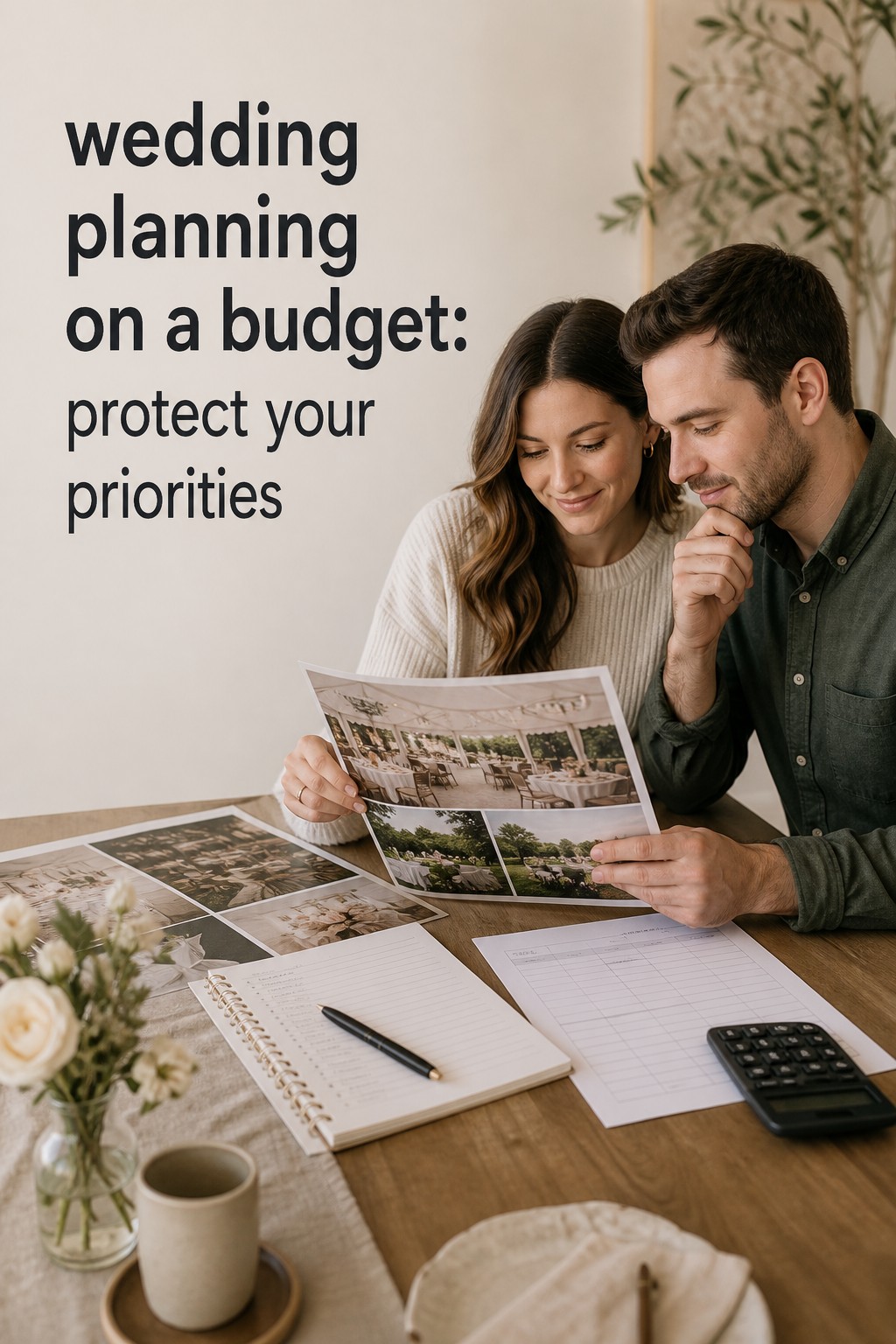
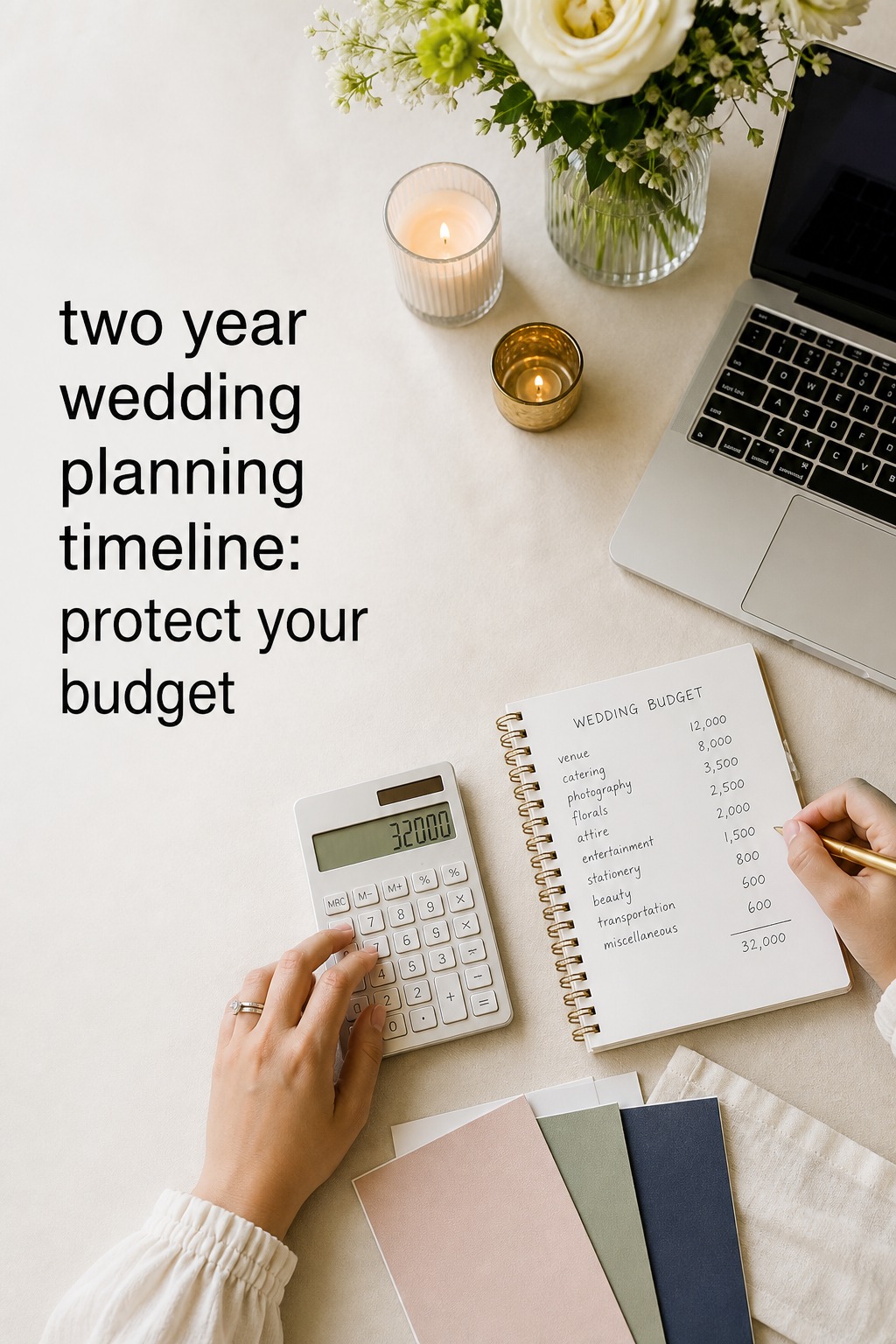
    wedding planning quotes for a smarter budget
    Use wedding planning quotes to make budget choices with confidence.

    Wedding planning quotes for starting with your priorities

    “The beginning is the most important part of the work.” This line is commonly associated with Plato, and it makes a useful planning prompt even when you are not trying to create a perfect philosophical reference. At the beginning, your work is to define the experience you want. Is it intimate, energetic, traditional, relaxed, formal, local, adventurous, or a combination that only makes sense to you?

    Try finishing this sentence together: “When our guests leave, we hope they feel…” Your answers might include cared for, connected, free to dance, included across generations, or surprised by how personal the evening felt. These words can guide decisions later. If a choice looks beautiful but works against the feeling you named, pause before approving it.

    “Love is composed of a single soul inhabiting two bodies.” This quotation is attributed to Aristotle and is often used in wedding settings. In planning, it can invite a conversation about shared ownership. You do not need identical tastes or equal enthusiasm for every task. You do need a process in which both partners can express preferences, understand trade-offs, and see how the final celebration reflects both of you.

    Create three priority categories before you collect hundreds of ideas. The first category is non-negotiable, such as accessibility, a religious element, a favorite meal, or having specific people present. The second is important but flexible. The third is nice if the budget and schedule allow it. This simple division turns wedding planning quotes about intention into a practical filter.

    Keep your priorities visible in the shared planning workspace. The Wedding Command Center can be useful as a central planning resource when you want the budget, guest decisions, vendor notes, and next steps to stay connected. The goal is not to create more administration. It is to make the reasons behind your decisions easy to find when you are tired or distracted.

    • Choose a sentence that describes the feeling you want guests to carry home.
    • Write down three wedding priorities before choosing detailed decor.
    • Agree on what you will simplify when a category grows too expensive.
    • Revisit the list after booking the venue and setting the guest range.

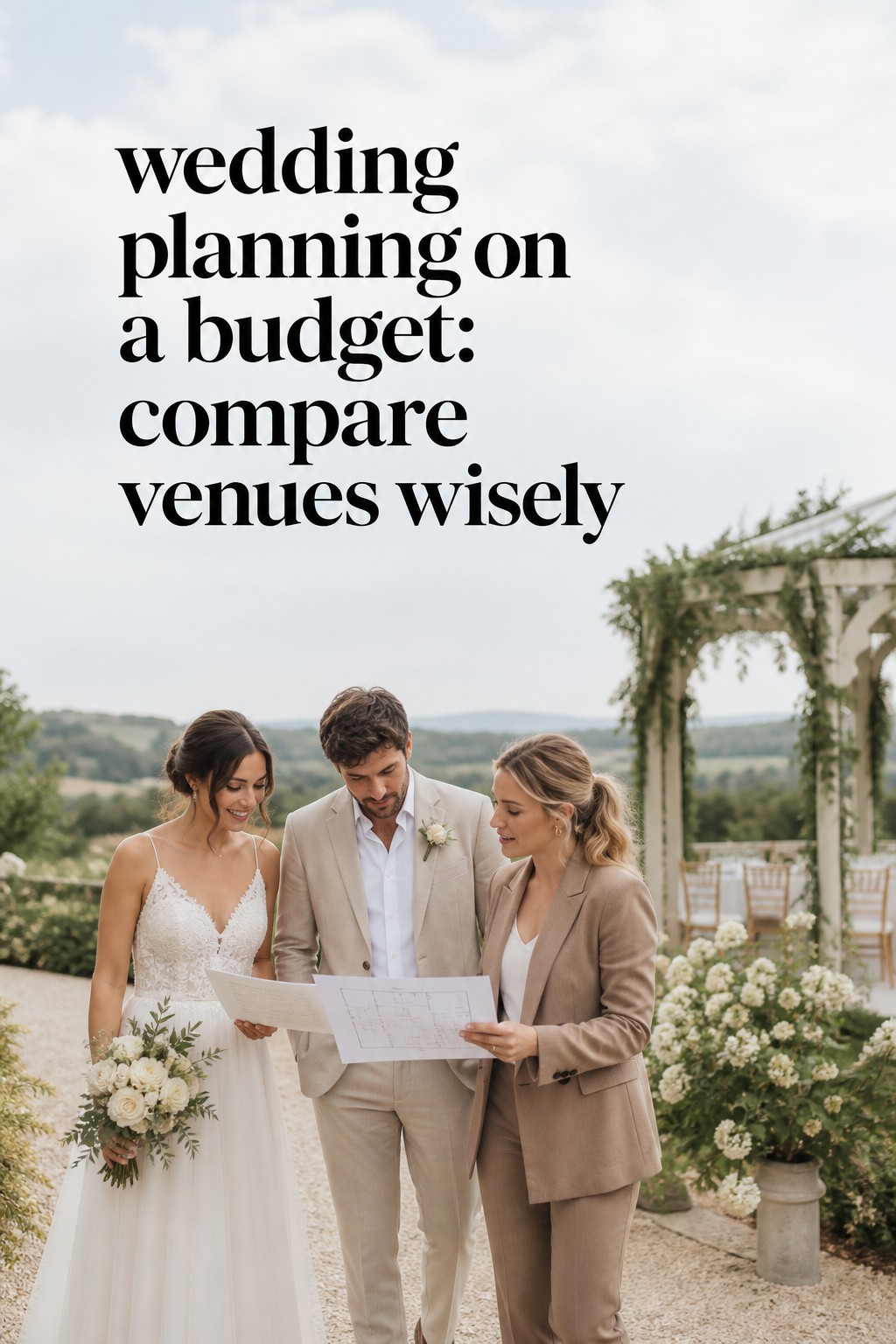
    wedding planning quotes for clearer decisions
    Use wedding planning quotes to bring clarity to planning decisions.

    Quotes for budget, guest list, and vendor decisions

    “A goal without a plan is just a wish.” This saying is often attributed to Antoine de Saint-Exupéry, although versions of the idea appear in many forms. It is a helpful reminder that a wedding vision needs numbers, dates, owners, and next actions. A budget is not a rejection of beauty. It is the structure that lets you decide where beauty matters most.

    Use one of your wedding planning quotes as the heading on the budget page, then write the practical version below it. For example: “Spend on what guests experience and what you will remember.” Under that line, list the categories that shape those experiences for your wedding. Food, music, photographs, transportation, ceremony support, and accessibility may matter more to you than a trend-driven upgrade.

    Before you compare venues, estimate a realistic guest range. A list of 70 to 85 people is enough to begin a conversation about capacity and cost. Ask which guests are essential, which invitations depend on space, and which family expectations need a kind conversation. The guest list is not only a social document. It affects food, rentals, seating, restrooms, staffing, and the pace of the day.

    “The details are not the details. They make the design.” This quotation is associated with Charles Eames. In wedding planning, it is a reason to examine details for function rather than collecting them for their own sake. A welcome sign should help people know where to go. A menu should answer useful questions. A seating plan should support conversation and movement. Detail becomes meaningful when it serves the experience.

    Ask every vendor the same core questions so your comparisons stay fair. What is included? Which fees are added later? What is the payment schedule? What happens if the event changes location or date? Who will be present on the wedding day? What information is needed from you, and by when? Save the answers beside the proposal and contract rather than trusting memory.

    When a quote or package seems unusually low, look at the complete cost and the work it transfers to you. When a package is much higher, ask which part of the experience it improves. A lower price is not automatically better, and a premium is not automatically worthwhile. The useful decision is the one you can explain in terms of your priorities and your guests.

    For a venue, compare the total expected cost with the same guest count and service assumptions. Include catering, bar, rentals, staffing, ceremony fees, transportation, taxes, service charges, cleanup, and overtime. This protects you from choosing a headline price that does not describe the wedding you would actually host.

    wedding planning quotes for kinder conversations
    Use wedding planning quotes to support kinder planning conversations.

    Wedding planning quotes for partnership and family conversations

    “Coming together is a beginning; keeping together is progress; working together is success.” This quotation is widely attributed to Henry Ford. Its planning lesson is direct: agreement at the engagement stage is not enough. You need a way to keep working together when one person is excited about invitations and the other is comparing contracts, or when family members offer advice that does not match your choices.

    Divide ownership, not just chores. One partner can own vendor communication while the other owns guest information, but both people should know the budget and the major decisions. Write down the owner, the next action, and the due date. A shared list prevents the common pattern where one partner becomes the project manager and the other is asked to approve finished work.

    Set a planning meeting with a beginning and an end. Start with the one or two decisions that matter most, review new information, choose next actions, and stop when the meeting ends. Protect some evenings from wedding talk. The relationship is not the project that planning is meant to complete. It is the reason the celebration exists.

    Family conversations become easier when you separate appreciation from authority. You can say, “We love that this tradition matters to you, and we are deciding how to include it in a way that fits the ceremony.” You can also say, “Thank you for offering to help. Before we accept, we want to clarify the budget, the decision owner, and the deadline.” Warmth and boundaries can exist in the same sentence.

    Choose wedding planning quotes that support the kind of partnership you want to practice. A quote about patience can remind you to ask a question before reacting. A quote about generosity can inspire hospitality without requiring you to overextend yourself. A quote about courage can help you decline a tradition, vendor, or invitation plan that does not work.

    If you disagree, name the actual issue. Is the concern cost, appearance, family expectation, workload, uncertainty, or fear of disappointing someone? Once the concern is specific, you can solve it. Many planning arguments become smaller when the couple stops debating a centerpiece and starts discussing what the centerpiece represents.

    Quotes for the final weeks and the wedding day

    “Happiness is not something ready made. It comes from your own actions.” This quotation is attributed to the Dalai Lama. Near the wedding day, it can help you focus on what you can control. You can prepare a clear schedule, confirm vendor contacts, pack essentials, assign decisions, and build a weather plan. You cannot control every delay, mood, or opinion.

    Turn the final plan into a handoff packet. Include the final guest count, seating chart, vendor contacts, payment notes, delivery windows, floor plan, ceremony order, family photo list, transportation information, emergency contacts, and the person authorized to make decisions. The packet is not a sign that something will go wrong. It is a gift to the people who will protect your attention.

    “The best is yet to be.” This short line from Robert Browning is often used in wedding materials because it looks forward. Use it carefully during the final weeks. Looking forward should not mean treating the engagement as an obstacle course. Make space for a quiet dinner, a walk without planning talk, or a small ritual that marks the relationship before the event.

    On the wedding day, give your support team permission to solve ordinary problems without finding you. A missing boutonniere, delayed delivery, or minor timing change rarely needs to become your emergency. If the decision has already been delegated, let the person handle it. Being present is an active planning choice.

    Choose one sentence for the morning and one for the reception. They might be original prompts such as “We are allowed to be here, exactly as we are” and “Notice the people, not only the schedule.” Put them somewhere private, such as a note in your overnight bag or a message from your partner. The best wedding planning quotes become anchors because you return to them when the day moves quickly.

    After the celebration, let the planning system close gradually. Save contracts, final vendor contacts, photographs, guest notes, and important documents. Send thanks when you have the energy. You do not need to turn every memory into immediate content or complete every administrative task in one weekend. The wedding is an event. Your marriage is the continuing work.

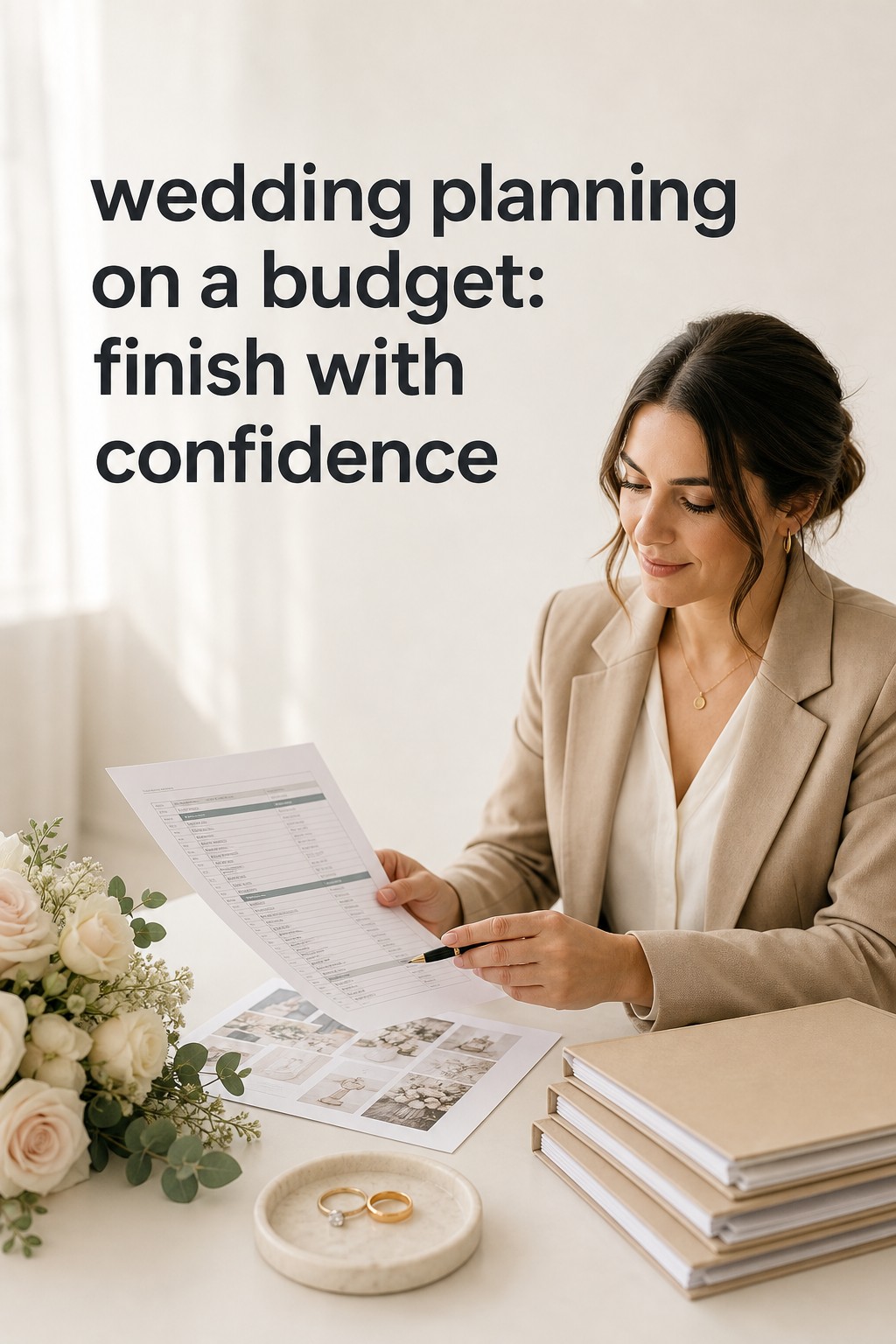
    wedding planning quotes for a calm final week
    Use wedding planning quotes to protect a calm final week.

    FAQ

    How can I use wedding planning quotes without making the wedding feel generic?

    Use quotes as private prompts, not as decoration you must copy. Choose a line that helps you answer a real question about your priorities, guest experience, budget, or partnership. If a quote appears in the ceremony, confirm the wording and attribution, then connect it to your own story.

    What are the best wedding planning quotes for a budget conversation?

    Choose a quote that emphasizes intention, planning, or meaningful details. The wording matters less than the question beneath it: which parts of the celebration are worth protecting, and where can you simplify without losing the experience you want? Use the answer to guide categories and spending limits.

    Can I use a famous quote in my wedding vows or invitations?

    Short quotations are often used in wedding materials, but verify the source, wording, and any permission requirements before reproducing a longer passage. A brief line paired with your own words usually feels more personal than a long quotation standing alone.

    How do I choose a quote for a difficult family conversation?

    Choose one that supports patience, partnership, generosity, or courage, then use it privately to clarify your approach. Do not send a quote as a substitute for a direct conversation. Explain what you appreciate, what you have decided, and where you can offer a practical compromise.

    What quote can help when wedding planning feels overwhelming?

    Use a simple original prompt such as “One decision at a time, one conversation at a time.” Then reduce the plan to the next three actions, assign an owner to each, and schedule a break. If the overwhelm continues, ask a planner, coordinator, or trusted helper to take on a defined part of the work.

    Should wedding planning quotes appear in the wedding decor?

    Only if the quote adds meaning for you or helps guests understand the celebration. A welcome sign, ceremony program, table card, or private note can work well. Avoid adding text simply to fill space. One sincere line is usually stronger than several unrelated sayings.

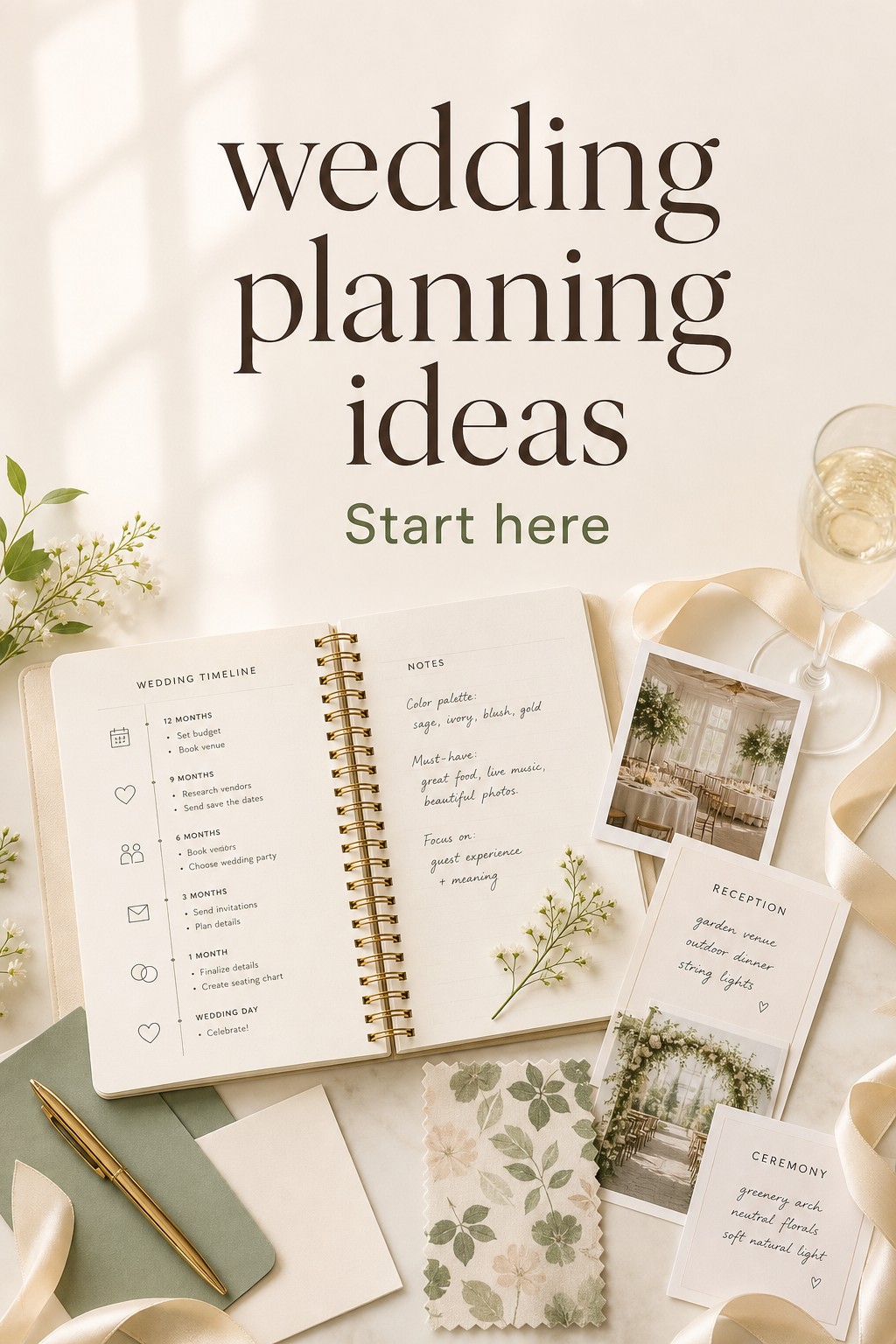
  • Wedding Planning Ideas for a Calm, Organized Celebration

    Wedding Planning Ideas for a Calm, Organized Celebration

    A wedding planning can feel wonderfully personal, but the property does not automatically function like a wedding venue. A venue usually has power, bathrooms, parking instructions, lighting, a service area, a rain plan, and a team that knows who handles the details. At home, you need to create that system yourself.
    This wedding planning ideas helps you solve the most common problem first: trying to choose decor, vendors, and a guest count before you know what the property can comfortably support. Work through the sections in order, assign each task to one person, and keep a simple planning hub such as The Wedding Command Center for decisions, contacts, deadlines, and the final handoff. The goal is not to make your celebration feel corporate. It is to make sure the home setting feels relaxed for everyone, including you.

    wedding planning ideas Start here
    Wedding planning ideas for starting with a clear vision

    Start by diagnosing the property and the guest experience

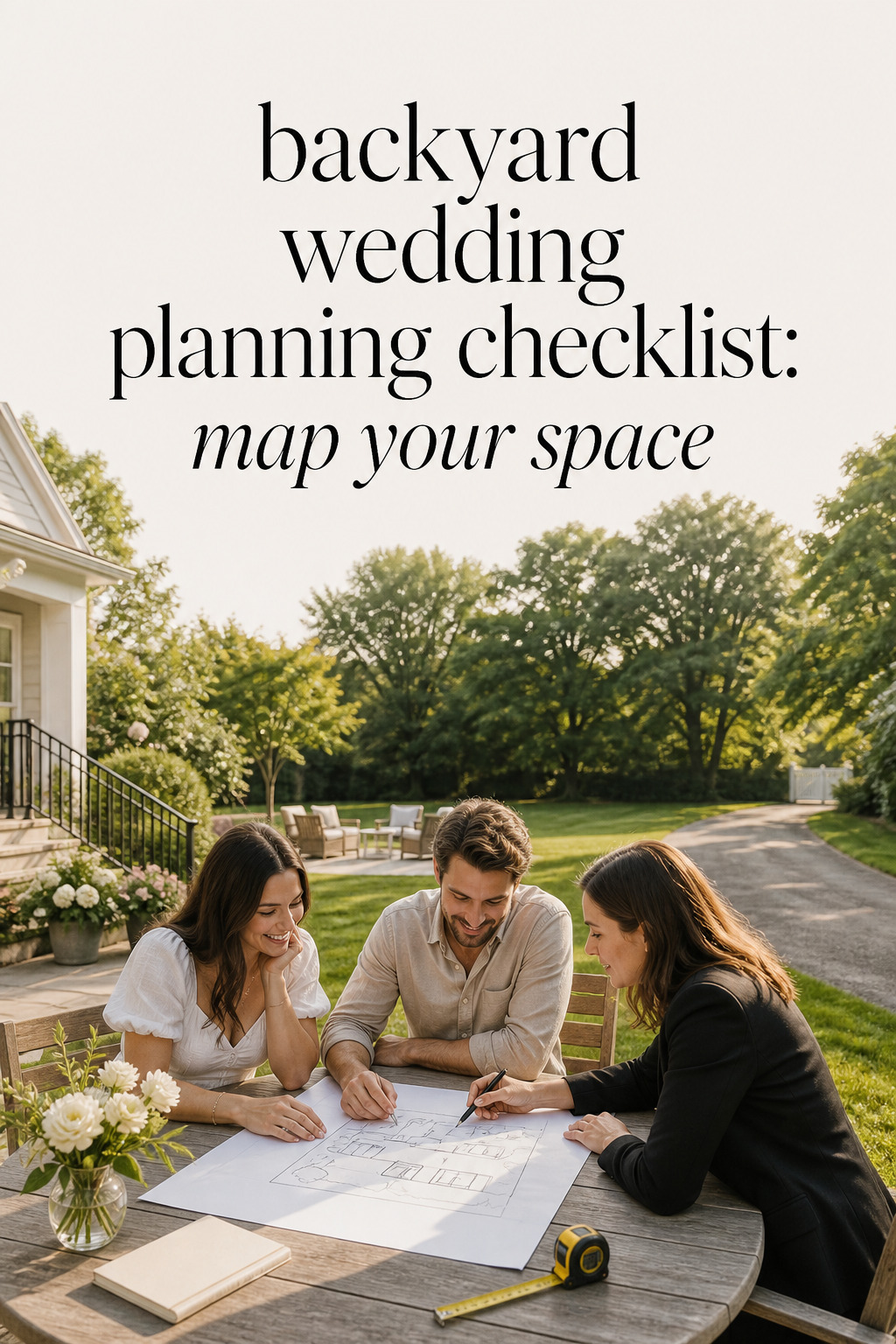
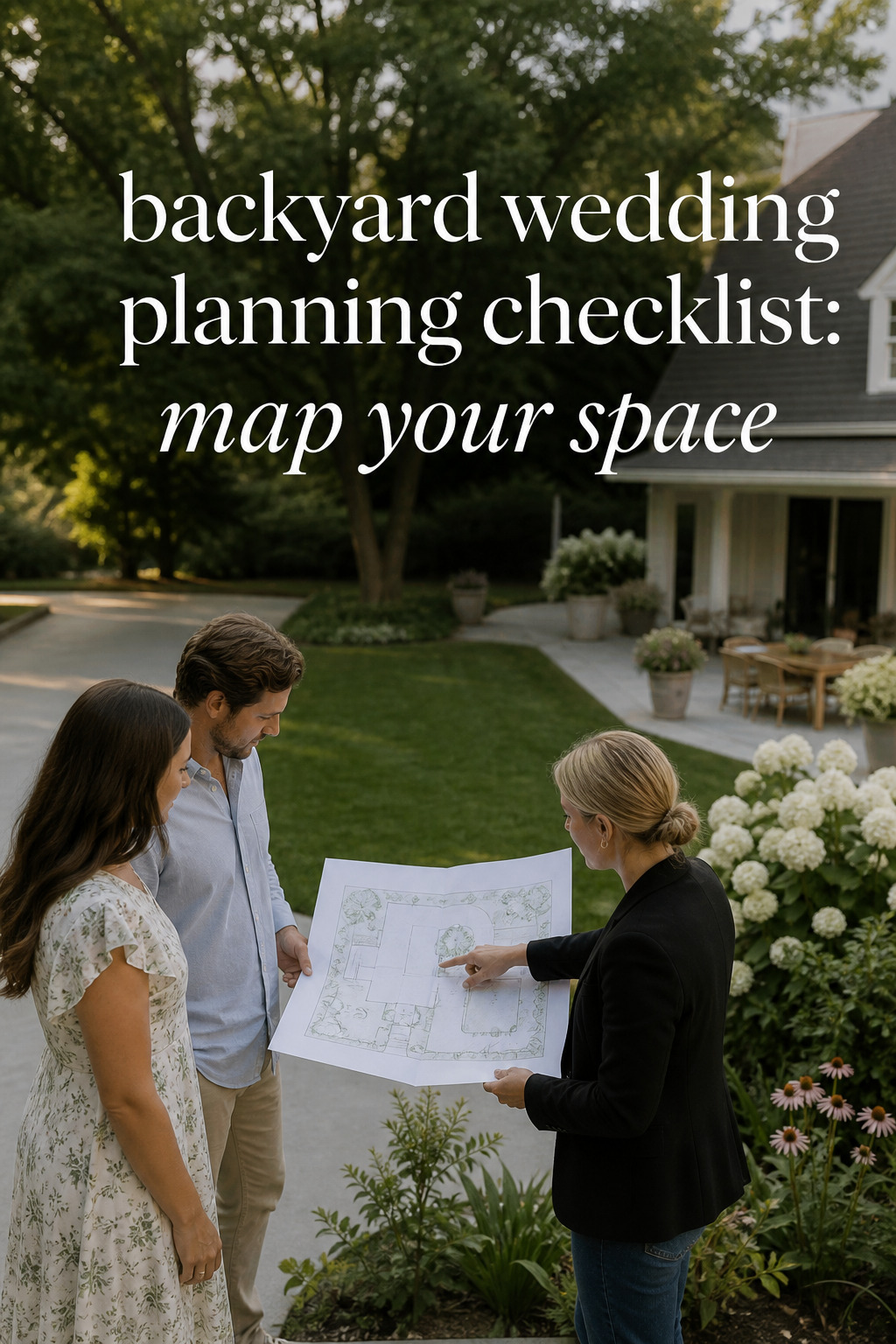
    Before you book a caterer or order invitations, walk the property as if you were a guest arriving for the first time. Note the street, driveway, gates, steps, lawn, trees, patio, bathrooms, kitchen, electrical outlets, neighboring homes, and any areas that should remain private. Take photos and measure usable areas. A beautiful yard can still become uncomfortable when guests must cross mud, stand in full sun, or walk down an unlit path to the restroom.

    Start with the realistic guest count, not the maximum number of people you could technically fit. Include the ceremony, cocktail hour, dining, dancing, buffet or bar service, vendor work areas, and clear walking paths. Ask what happens if a guest uses a wheelchair, a cane, or a stroller. Ask where grandparents can sit comfortably and where children can take a quiet break. If a tent is necessary, ask a rental company to measure the site before you make promises about seating.

    • Property audit: Measure the usable lawn and note slopes, roots, low branches, fragile garden beds, pools, ponds, decks, and narrow access points.
    • Guest flow: Sketch arrival, ceremony, drinks, dinner, dancing, bathrooms, smoking, and exit routes as separate zones.
    • Home boundaries: Decide which rooms are open, which are private, and where personal belongings, pets, and valuables will be secured.
    • Comfort check: Identify shade, seating, fans or heaters, bug control, water stations, and a quiet place for anyone who needs a break.
    • Access check: Confirm where delivery trucks can stop, whether a tent can be carried in, and whether the driveway can remain clear for emergencies.

    Now write down three lists: must have, helpful, and not necessary. For example, a covered dining area might be a must have, a lounge corner might be helpful, and a full dance floor might be unnecessary for a brunch reception. This prevents the property from being filled with rentals simply because they are available.

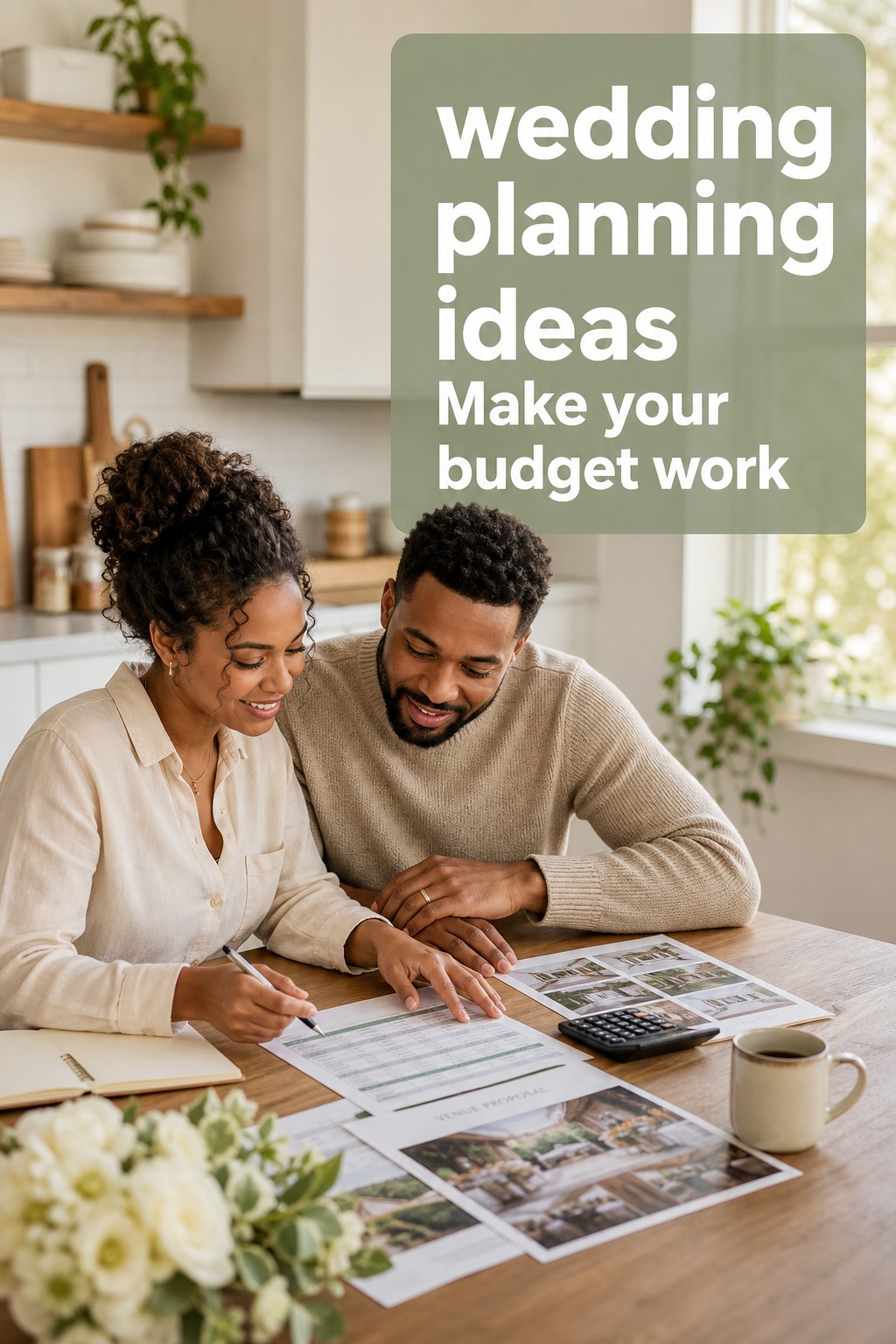
    wedding planning ideas Make your budget work
    Wedding planning ideas for making the budget work

    Solve permits, insurance, access, and neighborhood logistics early

    Residential celebrations can be subject to local rules that vary by city, county, HOA, and property type. Check with the relevant local offices about noise, temporary structures, parking, alcohol service, fire safety, and event limits. Do not assume that a private invitation means no rules apply. Ask what documentation is needed, how long approvals take, and whether the property owner must submit the application.

    Review homeowner insurance and ask whether a special event policy or additional liability coverage is sensible. Vendors may carry their own insurance, but that does not answer every question about the property. Keep copies of permits, vendor certificates, rental contracts, and emergency contacts together. If alcohol is served, clarify who is responsible for service and what the caterer or bartender requires.

    • Confirm local rules for noise, event hours, tents, generators, street parking, and alcohol.
    • Ask whether the property owner or a vendor must obtain permits.
    • Review insurance coverage and any venue or vendor liability requirements.
    • Notify nearby neighbors with the date, approximate hours, parking plan, and a contact person.
    • Create a rideshare and arrival note with the correct address, gate code, driveway instructions, and a safe drop-off point.
    • Keep fire lanes, utility access, and the route for emergency vehicles clear.

    A neighbor message is more useful when it is specific and respectful. Explain when setup begins, when music ends, and where guests should avoid parking. Give one calm point of contact for questions during the event. The couple should not be that contact if possible. This small handoff can prevent a minor concern from reaching you while you are getting ready.

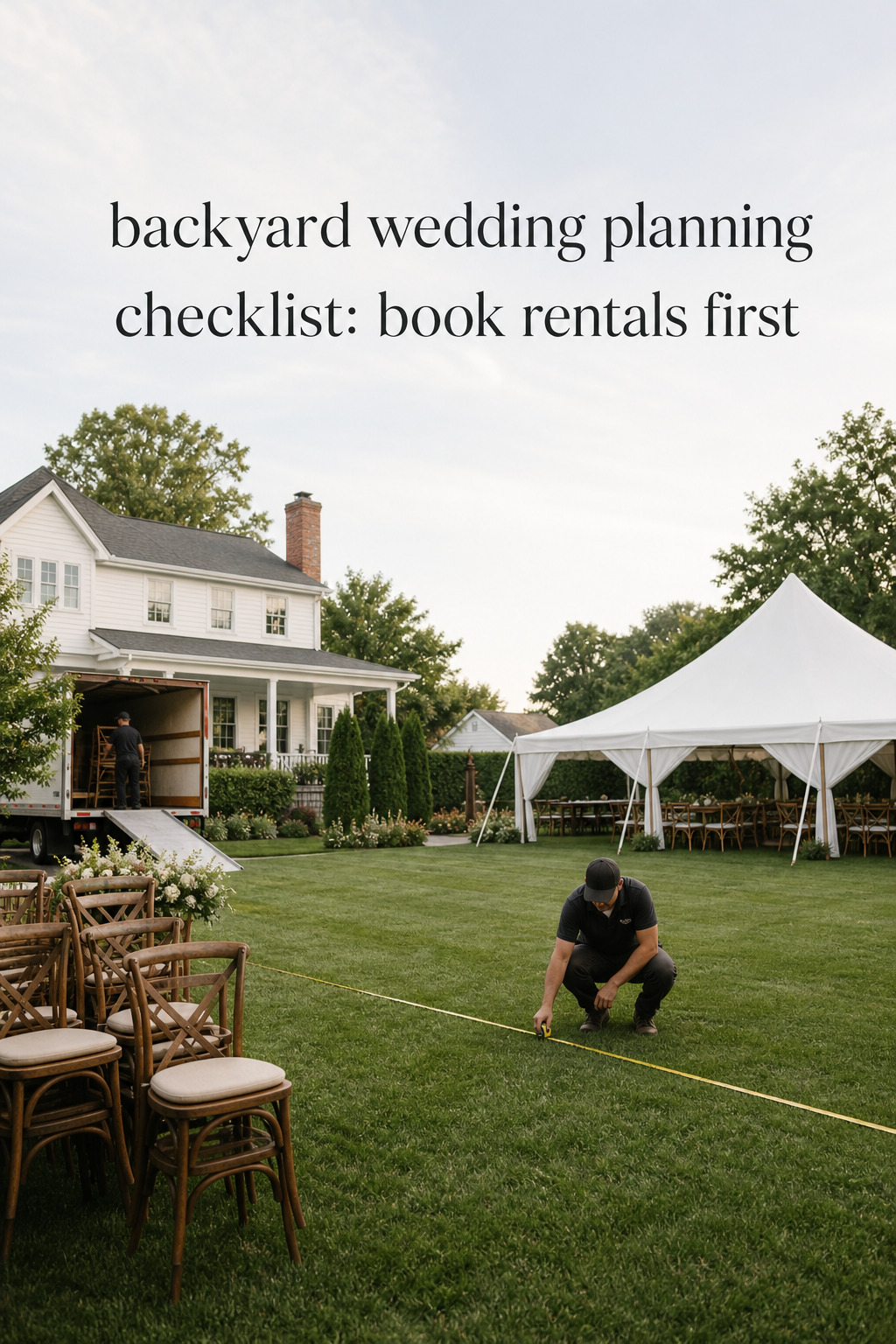
    Access planning also protects the wedding schedule. Ask every vendor how long setup takes, what vehicle they bring, and whether they need a level surface, a dedicated outlet, or a kitchen staging area. Build a delivery sequence so the tent, flooring, tables, chairs, catering equipment, flowers, and entertainment do not compete for the same narrow driveway.

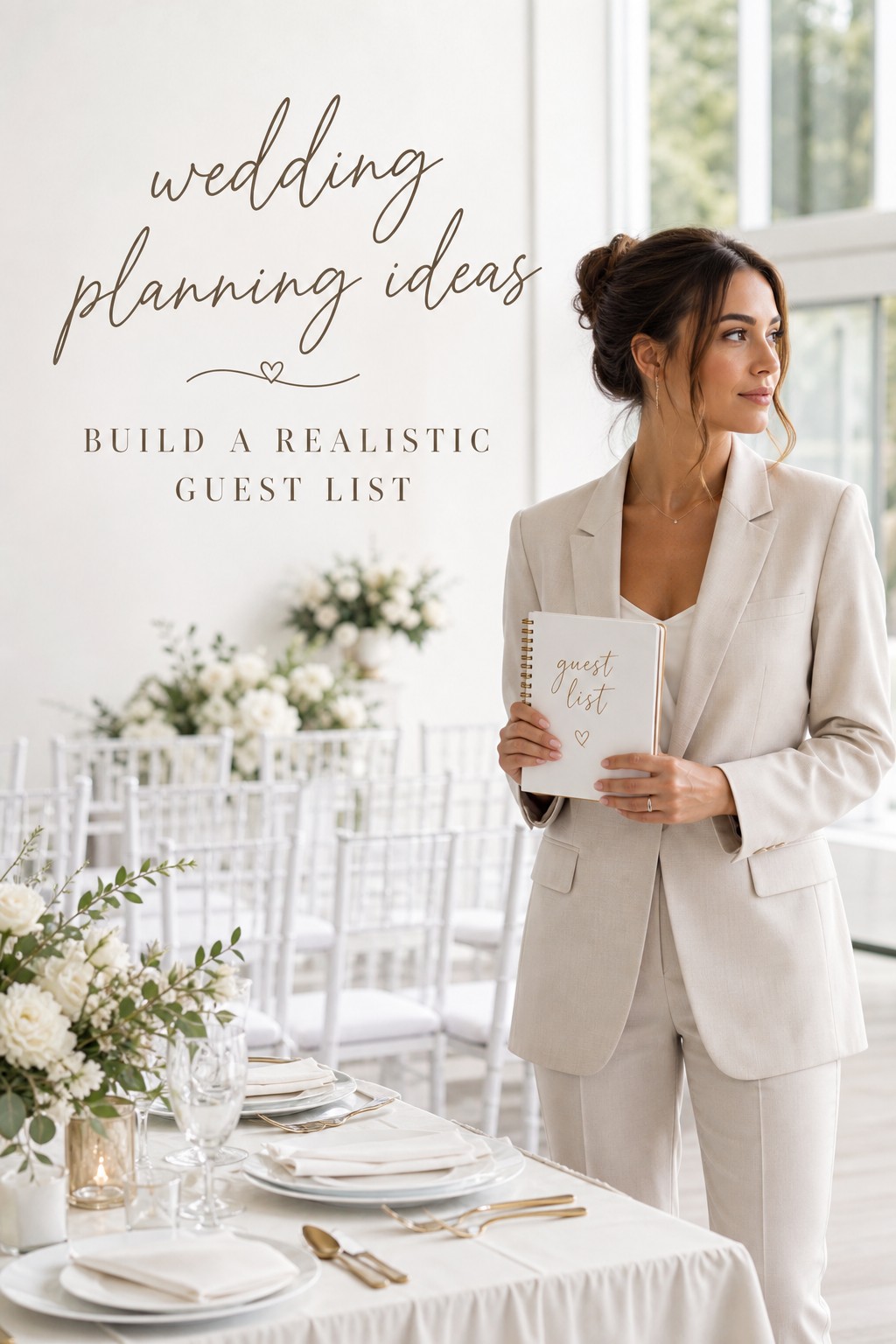
    wedding planning ideas Build a realistic guest list
    Wedding planning ideas for building a realistic guest list

    Build the infrastructure before choosing the finishing details

    This is the part couples most often underestimate. A wedding planning is both a wedding and a temporary venue. The infrastructure checklist comes before the color palette because it determines what the property can support.

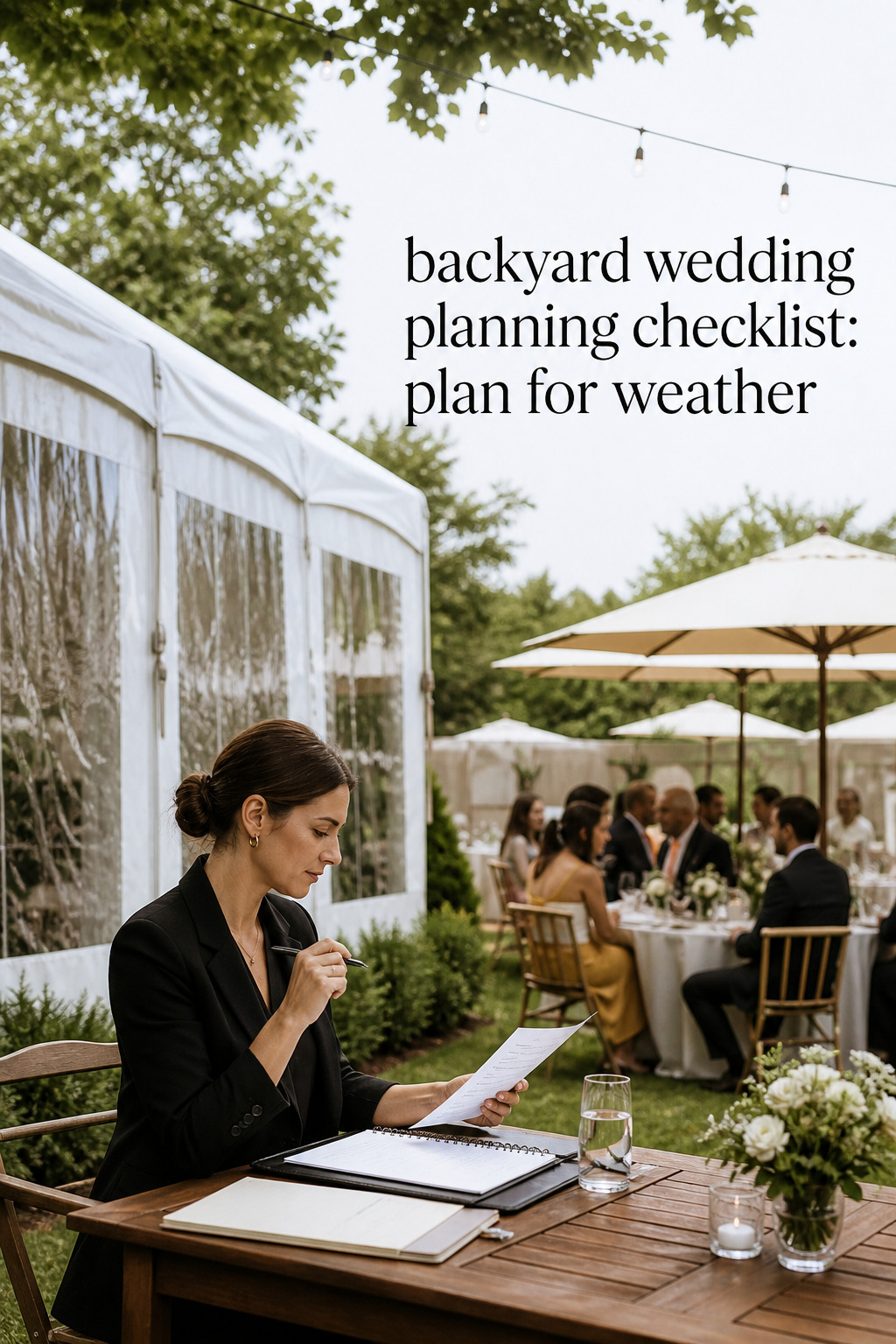
    Shelter and weather: Decide whether guests need a tent, a covered patio, indoor access, or a combination. A tent is not a complete rain plan if the ground becomes muddy or the wind makes it unsafe. Ask about sidewalls, flooring, weights, fans, heaters, and the deadline for making a weather call. Write down who has authority to change the plan and when that decision will be made.

    Power: Count the needs of the caterer, band or DJ, lighting, refrigeration, restrooms, heaters, and phone charging. Do not overload household circuits or hide extension cords across guest paths. A licensed professional or qualified rental company can help determine whether distribution equipment or a generator is appropriate. Test the plan with the actual equipment before the wedding.

    Bathrooms: Count the home’s bathrooms honestly and consider guest volume, septic or well limitations, accessibility, and the distance from the event area. Portable units or a restroom trailer may be the more comfortable solution. Place them on stable ground with lighting, a clear path, handwashing supplies, and a restocking plan. Avoid making guests walk through the couple’s private rooms.

    Furniture and flooring: Reserve tables, chairs, linens, cocktail tables, ceremony seating, and any dance floor early. Ask about delivery, pickup, surface protection, and weather exposure. Grass changes the experience of heels and formal shoes, while uneven pavers can affect older guests. A small amount of flooring or a thoughtfully chosen footwear note can solve a real comfort issue.

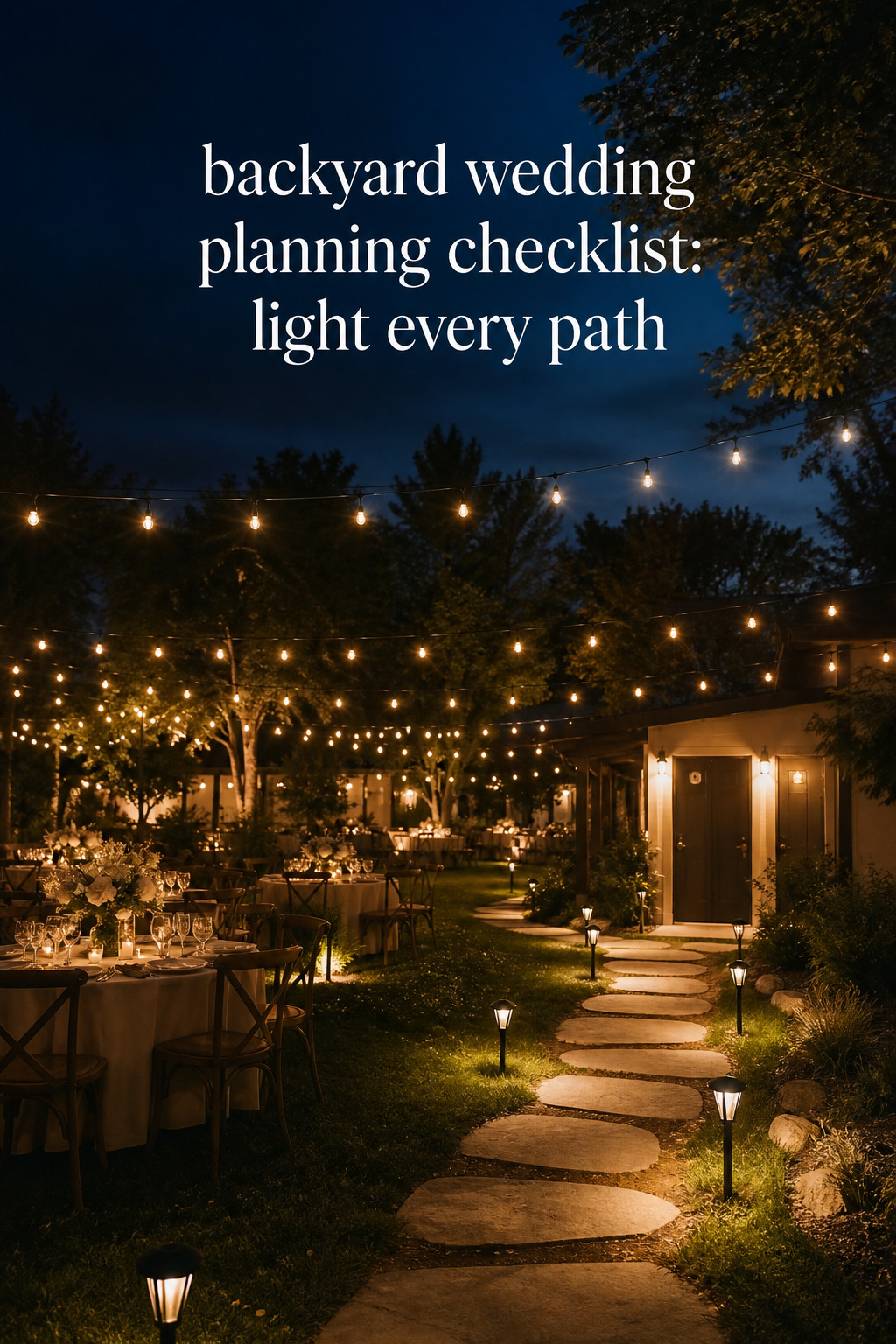
    Lighting: Plan lighting in layers. Use ambient string lights or lanterns for atmosphere, functional lights at food and drink stations, and bright enough path lighting for steps, bathrooms, and parking. Walk the property after dark to find shadows and trip hazards. Candlelight is lovely, but it should not be the only light on a path.

    Food and service: Give the caterer a dedicated staging area with access to power, water, shade, trash storage, and a route that does not cross the ceremony. Confirm whether food is cooked onsite or delivered, where dishes are washed, and who clears plates. A wedding kitchen may be too small for a full service team, so plan a temporary work area instead of hoping the household kitchen will absorb everything.

    • Tent, shade, sidewalls, flooring, fans, heaters, and weather decision deadline
    • Electrical load, safe cable routes, generator or distribution equipment if needed
    • Restrooms, handwashing, accessibility, lighting, supplies, and servicing
    • Tables, chairs, linens, ceremony furniture, bar, buffet, and dance floor
    • Pathway lighting, parking lighting, tent lighting, and backup batteries
    • Trash, recycling, food waste, rental protection, and end-of-night pickup

    Get written quotes that include delivery, setup, pickup, taxes, labor, damage policies, and weather changes. The lowest rental price can become expensive when delivery is difficult or the setup window is short. Keep a comparison table with the item, quantity, vendor, cost, delivery time, pickup time, deposit, and final confirmation date.

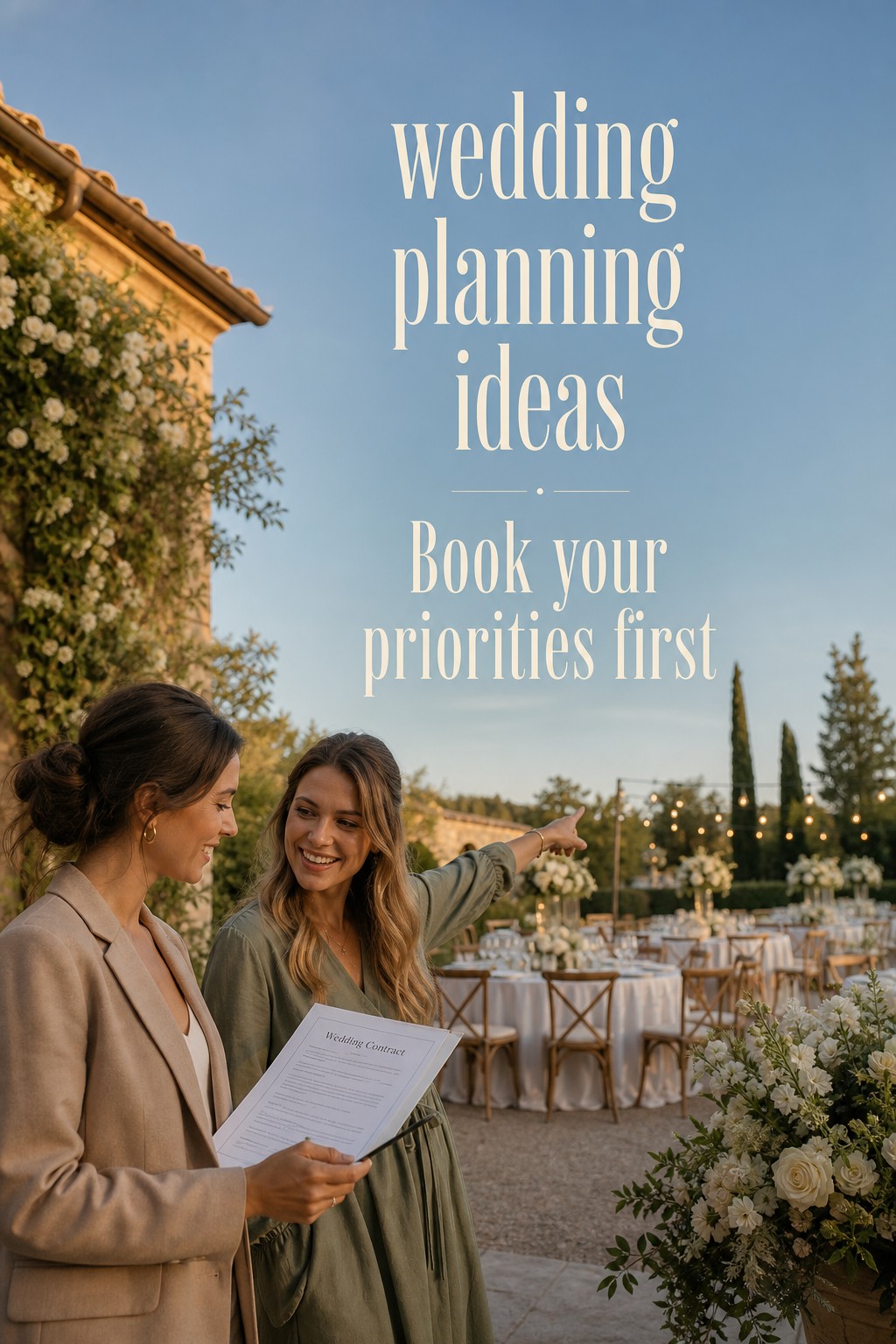
    wedding planning ideas Book your priorities first
    Wedding planning ideas for booking priorities first

    Turn the plan into a timeline, team map, and final review

    Once the property and infrastructure are clear, the ordinary wedding decisions become easier. Set the date, budget, guest list, ceremony plan, attire, photography, music, flowers, invitations, food, and bar around the property’s actual capacity. Keep the order practical: confirm the site and rules, reserve the infrastructure, book core vendors, then finalize the visual details.

    About six to nine months out, confirm the guest range, property owner agreement, key vendors, rentals, insurance questions, and permit timeline. About three to four months out, finalize the layout, menu, ceremony flow, neighbor communication, parking, lodging notes, and accessibility needs. About one month out, confirm the headcount, rental quantities, vendor arrival plans, weather backup, and who controls the house.

    • One week out: Mow and trim at the right time, clear paths, protect delicate areas, confirm deliveries, prepare signage, test lighting, and share the final schedule.
    • One to two days out: Complete the tent and rental setup, place nonperishable supplies, mark vendor zones, prepare the kitchen, charge devices, and check the forecast.
    • Wedding morning: Keep the couple’s getting-ready area quiet, receive vendors through one contact, protect the ceremony zone, stock bathrooms, and complete a safety walk.
    • During the event: A designated host handles vendor questions, timing, guest comfort, parking, weather decisions, gifts, and household boundaries.
    • After the event: Confirm rental pickup, trash and recycling removal, food storage, lost and found, home security, and lawn or deck restoration.

    Assign roles by name, not by group. “Family will help with setup” sounds kind but does not create coverage. Choose a setup lead, vendor contact, guest comfort lead, food and beverage lead, weather decision-maker, gift attendant, and cleanup lead. Pay a coordinator or hire event staff when the property, guest count, or vendor plan is complex. Asking the wedding party to work every stage can quietly change the tone of the day.

    Use a final review that takes less than an hour. Walk the guest route, then the vendor route, then the emergency route. Check the forecast and the backup decision time. Confirm the exact person holding the rings, license, emergency kit, payments, tips, and contact sheet. Make sure the person responsible for cleanup knows where rentals go and what condition the property must be left in.

    Common wedding planning mistakes to avoid

    • Booking the guest list before measuring the property: Capacity is more than lawn space. It includes circulation, service zones, bathrooms, shade, and accessibility.
    • Treating decor as the main plan: Pretty signs cannot solve unsafe cables, an unlit path, missing shade, or nowhere for caterers to work.
    • Leaving weather decisions vague: Decide the trigger, deadline, authority, communication method, and physical backup before the forecast becomes stressful.
    • Assuming the home can absorb every function: Private rooms, household appliances, bathrooms, refrigerators, and trash bins have limits.
    • Making guests find their own way: Share arrival, parking, rideshare, bathroom, footwear, and weather information in advance.
    • Giving the couple the operations phone: The couple should be present for the meaningful parts of the day, not troubleshooting deliveries or neighbor questions.
    • Forgetting the morning after: Rental pickup, food, trash, lawn damage, borrowed items, and thank-you notes belong on the checklist too.

    The best wedding plannings are not the ones with the most decorations. They are the ones where the property, people, and plan work together. If you solve infrastructure first, set clear ownership, and build a realistic backup plan, the personal details can feel effortless instead of fragile.

    wedding planning ideas Final week without panic
    Wedding planning ideas for a calm final week

    FAQ

    Is a wedding planning always less expensive than a venue wedding?

    No. You may avoid a venue fee, but you could add tents, flooring, tables, chairs, restrooms, generators, lighting, landscaping, staffing, permits, insurance, and cleanup. Compare the full event cost, not only the property line. A smaller guest count and an already suitable home usually make the wedding option easier to control.

    How many guests can a wedding planning accommodate?

    There is no universal number. Measure usable areas and subtract space for food service, bathrooms, paths, vendor access, weather protection, and private areas. Ask a tent or event rental professional to review the site. A comfortable guest experience matters more than squeezing in the largest possible list.

    What permits might be needed for a wedding planning?

    Requirements depend on your location and may include noise, temporary structure, parking, alcohol, fire safety, or event permits. Contact local authorities and your HOA if applicable. Ask about processing time and required insurance before sending invitations or signing rental contracts.

    Do I need portable restrooms for an at-home wedding?

    Maybe, but do not decide by guesswork. Consider guest count, event length, home plumbing, septic or well limits, accessibility, and bathroom location. Portable facilities can protect the household and improve guest comfort when placed on stable ground with lighting and handwashing supplies.

    What should the weather backup plan include?

    Include a physical shelter or alternate location, ground and flooring solutions, power, temperature control, a decision deadline, a named decision-maker, vendor instructions, and guest communication. A tent alone is not enough if wind, heat, cold, or mud makes the site unsafe.

    How do I plan power for a wedding planning?

    List every electrical load from catering, refrigeration, music, lighting, restrooms, fans, heaters, and charging stations. Ask qualified vendors how to distribute the load safely. Keep cables away from walking routes, protect connections from weather, and test the actual setup before guests arrive.

    Who should handle setup and cleanup?

    Assign named leads for rentals, vendors, guest comfort, weather, gifts, trash, and the home. Friends and family can help when expectations are clear, but a coordinator or event staff may be worthwhile for a larger or more complex celebration. The couple should not be the default operations team.

  • Wedding Timeline Planning: A Calm Plan From Yes to I Do

    Wedding Timeline Planning: A Calm Plan From Yes to I Do

    Wedding timeline planning is easier when you treat it as a connected system instead of a long list of dates. The planning calendar, vendor deadlines, guest decisions, ceremony schedule, and final handoff all affect one another. When they live in separate notes, a decision that seems small can create a problem weeks later. When they work together, you always know what needs attention now, what can wait, and who owns the next step.

    This guide gives you a practical framework for building that system from engagement to the wedding day. It works for a traditional 12-month engagement, a shorter planning window, a destination celebration, or a small wedding with a simpler vendor team. The exact months and clock times will change, but the building blocks remain consistent: fixed decisions, flexible choices, realistic buffers, and one shared source of truth.

    wedding timeline planning with an engaged couple starting with a clear shared calendar
    Start wedding timeline planning with a clear shared calendar.

    Think of your timeline as a capsule wardrobe for the wedding. You need a small set of essential pieces that work together, not dozens of isolated items that look useful but create confusion. Start with the decisions that control everything else. Add details only when they support the guest experience, your priorities, or the people responsible for making the day run smoothly.

    Start with the essential wedding timeline planning system

    Before assigning tasks to months, create five connected views of the same wedding. You do not need five separate documents. They can be tabs, filtered views, or sections inside one shared planning resource. The important point is that every deadline and decision can be traced back to the wedding date and to a person responsible for it.

    • Milestone calendar: The broad planning runway, from setting the budget through the week after the wedding.
    • Decision list: Choices that unlock later work, such as the guest count, venue, ceremony time, and meal format.
    • Vendor directory: Contact details, contract notes, arrival windows, payment deadlines, and questions for each vendor.
    • Wedding-day run sheet: The hour-by-hour schedule for the couple, wedding party, family, vendors, and coordinator.
    • Handoff list: The final version of responsibilities, locations, contact numbers, deliveries, personal items, and emergency decisions.

    Give each item an owner and a due date. “Choose music” is too vague to manage. “Alex compares three ceremony music options and confirms the choice by June 12” is visible, assignable, and easy to review. Add a status such as not started, researching, waiting, booked, or complete. This simple structure prevents a task from appearing finished when a contract, deposit, or final confirmation is still missing.

    Separate fixed points from flexible blocks. A fixed point is something that cannot move easily, such as the venue access time, ceremony start, marriage license appointment, catering arrival, or venue curfew. A flexible block is work that can shift within a reasonable window, such as detail photos, hair touch-ups, a vendor meeting, or a seating-chart review. This distinction keeps the schedule realistic because not every line needs the same level of precision.

    Choose a weekly review rhythm before the plan becomes complicated. A 20-minute meeting can cover the next four payments, the next two decisions, any blocked tasks, and changes to the guest count. Keep a short decision log so you remember not only what you chose, but why. If a vendor proposal changes later, the log helps you decide whether the new cost supports a priority or requires a trade-off.

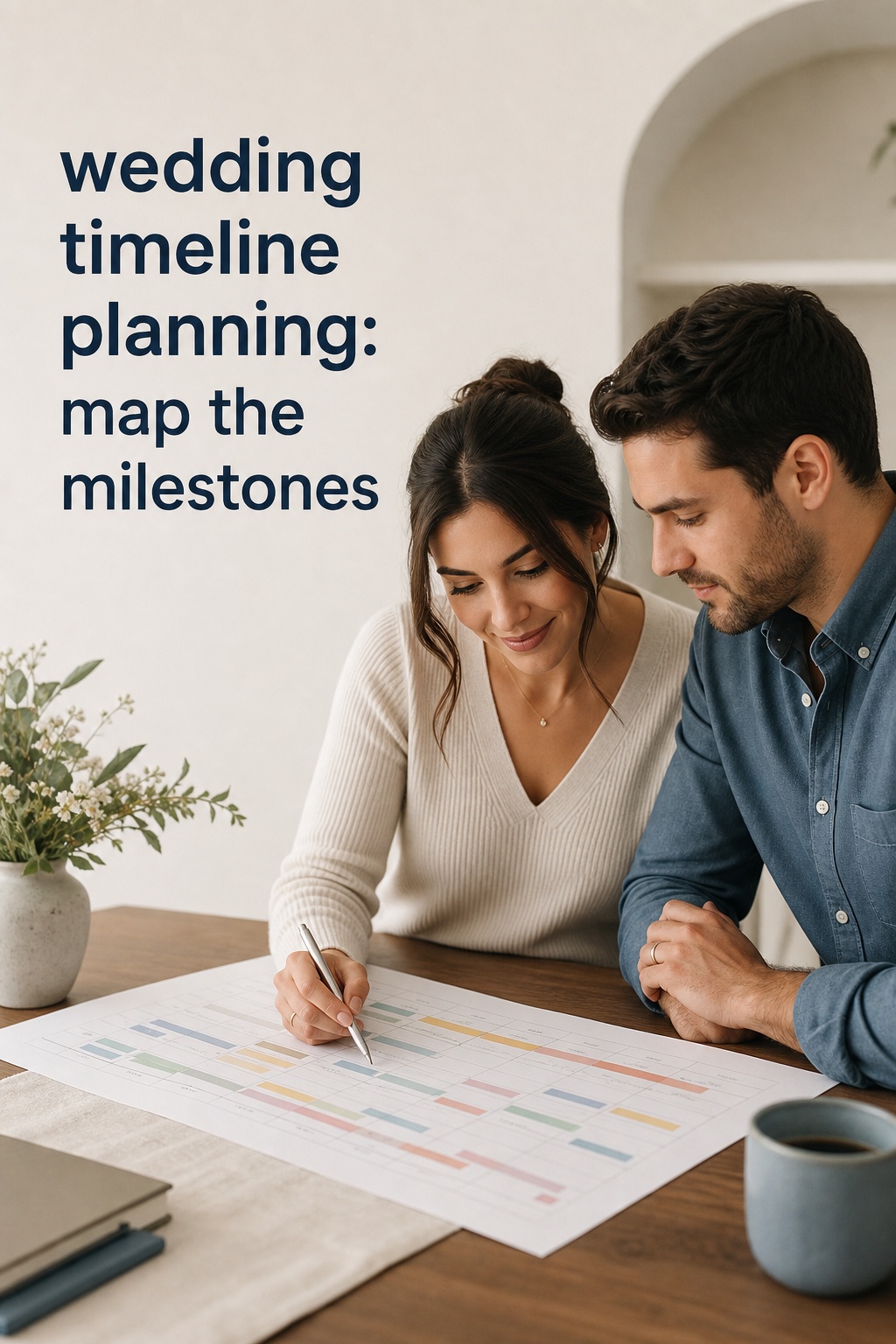
    wedding timeline planning with engaged partners mapping colorful planning milestones
    Map the milestones that shape a flexible wedding timeline.

    Build the planning calendar around decision dependencies

    The most useful wedding planning timeline is not simply a countdown. It is an order of dependencies. A dependency is a decision or action that must happen before another task can be completed. For example, you need a realistic guest count before comparing venues, a venue before confirming the ceremony layout, and a ceremony time before building the photography and reception schedule.

    Foundation: set the boundaries first

    Begin with the boundaries that define the celebration. Set the total amount you can responsibly spend, identify confirmed contributions, and keep possible gifts separate until the amount and timing are certain. Draft the guest count in ranges if necessary. A list of 80, 120, or 180 guests can lead to very different venue, catering, rental, and staffing decisions.

    Choose a preferred date or a short list of dates, then define the location and event format. Decide whether the ceremony and reception will share a venue, whether guests will travel between locations, and whether you are planning a full day, an evening celebration, a brunch, or a small gathering. These decisions shape transportation, setup, meal service, photography coverage, and the amount of transition time you need.

    Booking phase: reserve the choices with limited availability

    Book the decisions that are difficult to replace. In many markets, this includes the venue, photographer, caterer, planner or coordinator, and sometimes the entertainment. Read the complete proposal, not only the attractive starting price. Record taxes, service charges, rentals, delivery, setup, breakdown, overtime, staffing, payment dates, and cancellation terms.

    Ask every vendor for timing information that will affect the wider plan. When can the team arrive? How long does setup take? What needs to be ready before they begin? What happens if the ceremony runs late? Who can approve a change on the wedding day? These answers are more valuable than a generic schedule because they show how your actual team will operate.

    Build phase: combine the details that depend on the foundation

    Once the venue and major vendors are confirmed, build the guest, attire, design, ceremony, and meal details. Send stationery only after the address list and event information are stable. Order attire early enough to allow fittings and alterations. Confirm rental quantities after the guest count and floor plan are clearer. Choose flowers and decor with the venue’s access rules, installation window, and cleanup responsibilities in mind.

    • Confirm who is collecting addresses and who is tracking missing responses.
    • Record attire delivery dates separately from alteration appointments.
    • Ask the venue when the floor plan, final guest count, and meal selections are due.
    • Schedule the tasting, ceremony meeting, and photography planning call before the final month.
    • Set a date for the first complete wedding-day draft, even if several details are still provisional.

    Final phase: turn plans into instructions

    In the final month, stop treating the timeline as an ideas document. Convert it into instructions. Confirm the final guest count, meal choices, seating plan, vendor balances, arrival windows, ceremony participants, readings, music cues, transportation, and venue restrictions. Mark every detail as confirmed, pending, or intentionally flexible.

    Share a working schedule with vendors early enough for questions, then issue one final version after the last confirmations. Keep the couple’s private notes separate from the vendor run sheet. Vendors need locations, times, access instructions, contact people, and decisions that affect their work. They do not need every personal concern or every option you considered.

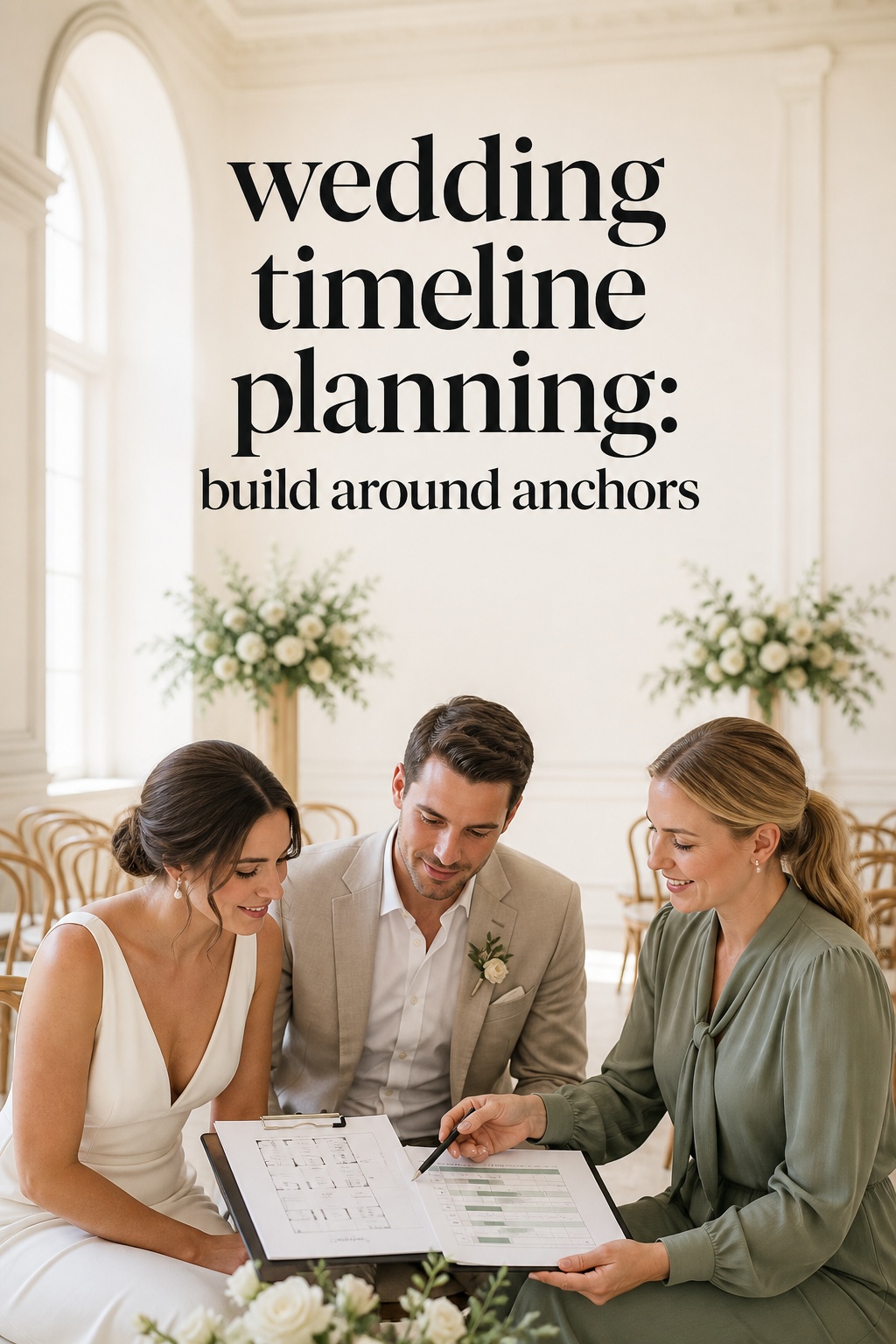
    wedding timeline planning with a couple and planner building a schedule around fixed anchors
    Build wedding timeline planning around the day’s fixed anchor times.

    Combine fixed anchors into a wedding-day schedule

    Build the wedding-day schedule from the points that are genuinely fixed. The ceremony is usually the strongest anchor, but the venue access time, sunset, dinner service, transportation, and curfew may be just as important. Write those anchors at the top of a blank page. Then work backward for preparation and photography, and forward for the ceremony, cocktail hour, meal, speeches, dancing, and exit.

    A schedule should show more than the couple’s movements. Add the people and conditions that make each block possible. If family photos need eight relatives, note who gathers them. If the florist needs an empty room, show when the room is available. If the photographer needs detail items before guests arrive, give them a realistic access window. This is what turns a beautiful outline into an executable run sheet.

    Use a backward and forward planning method

    Start backward from the ceremony. If the ceremony begins at 4:30 p.m., determine when guests need to be seated, when the doors open, when the wedding party must be lined up, and when the final sound and floral checks must finish. Continue backward to family photos, wedding-party photos, the first look if you are having one, getting dressed, hair and makeup, breakfast, and arrival.

    Then move forward from the ceremony. Add the recessional, congratulations, portraits, cocktail hour, room transition, dinner, toasts, first dance, parent dances, cake or dessert, open dancing, final call, and exit. You do not need to include every minute in the guest-facing version, but the internal version should explain who is moving, where they are going, and what must be ready before the next block begins.

    Protect transitions and buffers

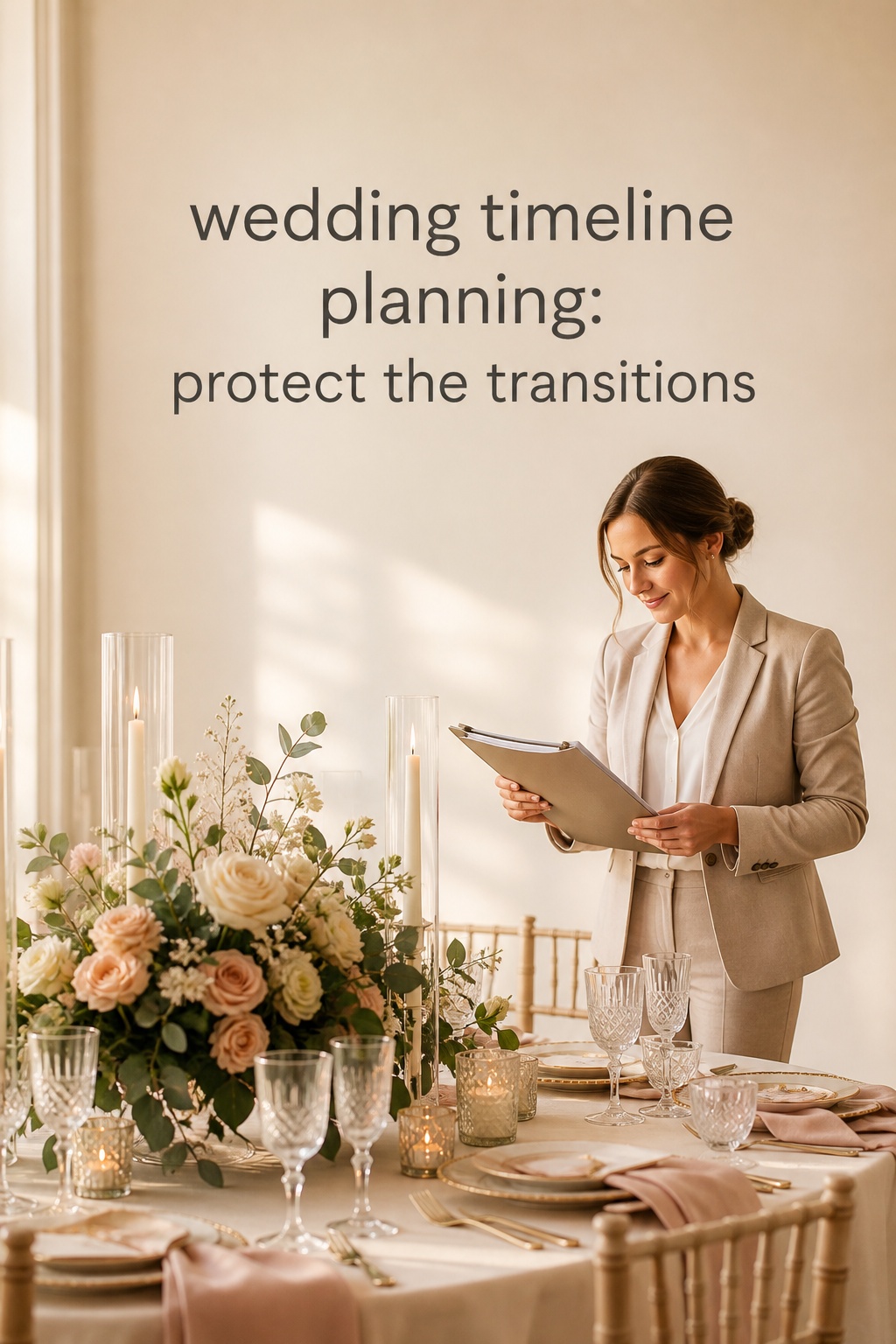
    Transitions are where many wedding schedules fail. Moving a group from one room to another, finding missing family members, loading a shuttle, changing outfits, or waiting for a meal course all take longer when several people are involved. Give each transition enough room for normal human behavior. A buffer is not empty time. It is the part of the schedule that protects the experience when a previous block runs slightly long.

    • Keep a short private pause for the couple before the ceremony or reception begins.
    • Allow extra time for family portraits when guests have to be located and organized.
    • Place meal service, speeches, and entertainment cues in a sequence the caterer and band agree can work.
    • Protect the photographer’s sunset window by checking the actual season and location.
    • Leave a final check before guests arrive for attire, personal items, bathrooms, signage, and weather changes.

    Use ranges where precision would create unnecessary stress. “Couple portraits, 5:15 to 5:45” may be more useful than promising a photo will start at exactly 5:17. Use exact times for vendor arrivals, doors, ceremony, meal service, and venue curfew. Use ranges for creative work, conversations, touch-ups, and guest movement.

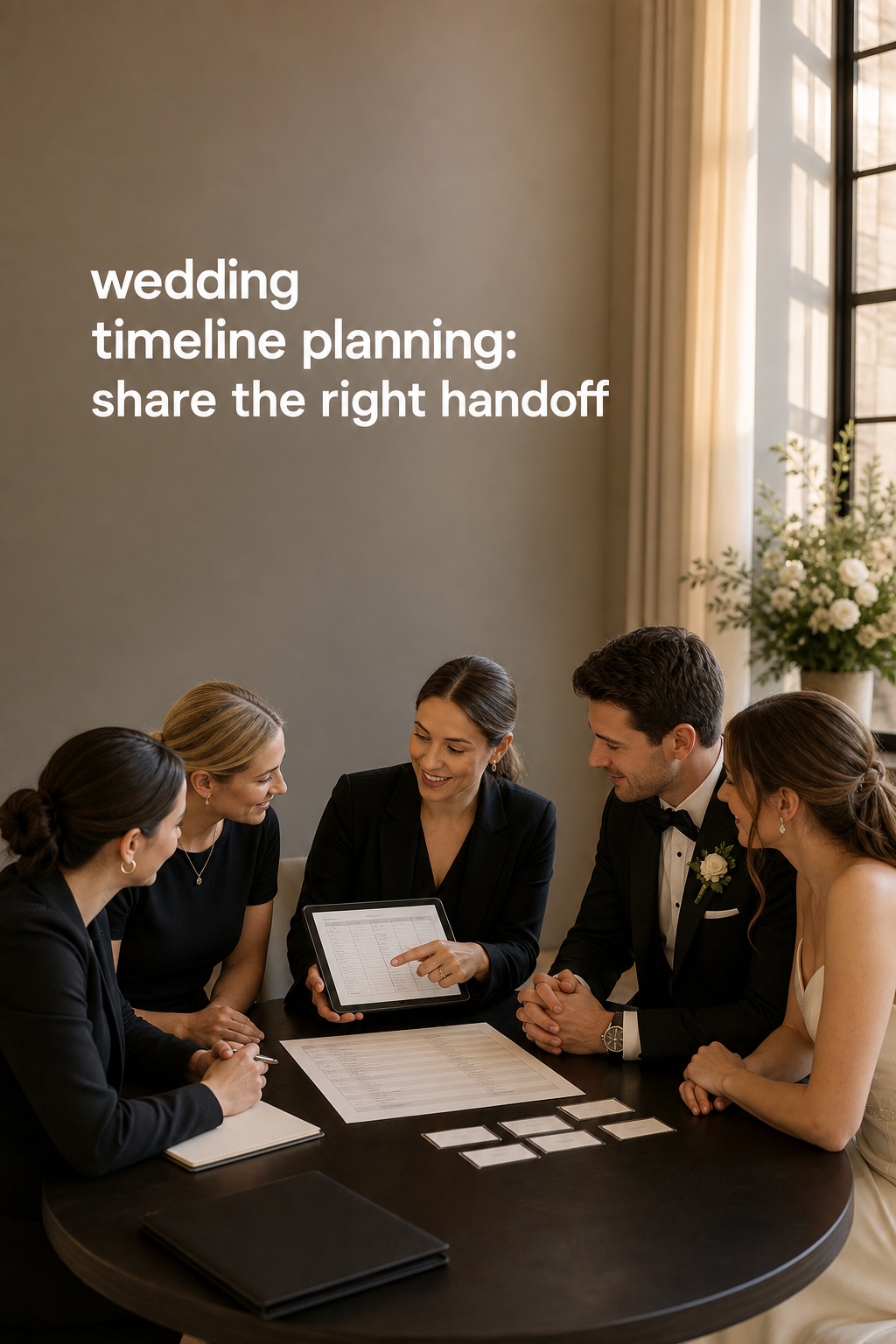
    wedding timeline planning with a couple and vendors reviewing the right final handoff
    Share the right wedding timeline handoff with vendors and key helpers.

    Adapt the timeline to your season, format, and priorities

    A wedding timeline should fit the celebration you are actually hosting. A full summer wedding with a late sunset has different photography and heat considerations from a winter afternoon ceremony. A destination event needs arrival and transportation planning. A brunch wedding compresses the day but may require earlier vendor access. The structure stays the same, but the combinations change.

    Short engagement or late start

    If you have six months or less, do not try to imitate a 12-month checklist line by line. Start with the date, budget, guest range, venue, ceremony format, and vendors with limited availability. Ask each vendor for their hard deadlines and build the calendar backward from those dates. Combine meetings where possible, choose details that are available without long lead times, and decide which elements can be simplified.

    Destination and travel-heavy celebrations

    For a destination wedding, add travel information to the main planning system rather than treating it as a separate guest issue. Track hotel blocks, arrival windows, shuttle capacity, welcome events, local transportation, and any legal requirements. Confirm which vendors are local and which need travel time. Build a weather alternative and name the person who can make a decision if conditions affect the plan.

    Small, micro, and nontraditional weddings

    A small wedding may need fewer formal blocks, but it still benefits from a timeline. Intimate events often involve the couple in more roles, which makes transitions and rest especially important. A brunch, courthouse ceremony, backyard reception, or dinner party may have fewer vendors but more shared responsibilities. Define who handles setup, food, music, photos, gifts, cleanup, and guest communication so the couple is not quietly assigned every task.

    Use your priorities to decide what deserves time. If photographs are central, protect the portrait window and give the photographer a complete family list. If conversation is the priority, avoid stacking too many formalities. If food is central, confirm service pacing with the caterer. A useful planning resource, such as The Wedding Command Center, can help you keep those priorities, assignments, and dates visible in one place when you are coordinating with a partner or planning team.

    Turn the timeline into a calm final handoff

    The final handoff is the moment when the plan stops depending on the couple’s memory. Create a short version for vendors, a practical version for the wedding party and key family members, and a private version for the couple or coordinator. All versions should use the same confirmed times, names, locations, and contact details. Never maintain several independent copies without a clear final date.

    • Put the wedding date, venue address, access instructions, and emergency contact at the top.
    • List vendor arrival and departure windows, not only the guest-facing schedule.
    • Assign one person to answer vendor questions during the wedding day.
    • Identify who carries rings, licenses, vows, gifts, personal items, and final payments.
    • Include weather decisions, transportation contacts, meal notes, and venue curfew.
    • Tell each helper only the responsibilities they need to perform.

    Schedule the handoff meeting before the wedding week becomes crowded. Walk through the day in order and ask where someone could be waiting, missing, or unsure. Confirm that every person with a job has accepted it. Replace “someone will bring the welcome sign” with a name, pickup time, vehicle, storage location, and backup plan.

    Print or download the final run sheet if venue service is unreliable. Keep sensitive information private and share contact details only with people who need them. On the wedding day, the schedule should guide decisions without forcing everyone to stare at a clock. Once the right owners and buffers are in place, small changes can be absorbed without reaching the couple.

    Common wedding timeline planning mistakes

    Starting with details instead of boundaries. Inspiration is enjoyable, but a centerpiece cannot tell you how many guests the venue can hold or when the room is available. Set the date, budget, guest range, and format before investing in small decisions.

    Copying a template without checking the conditions. A schedule built for an evening ceremony may not fit a brunch, a winter sunset, a long religious ceremony, or two venues. Use templates for structure, then replace their assumptions with information from your venue and vendors.

    Leaving vendor timing until the final week. Vendor arrival, setup, meal service, and photography windows control the flow of the day. Ask for these details as soon as contracts are signed and update them after the final meeting.

    Scheduling every minute with no recovery space. A packed schedule may look efficient, but it makes one delay spread through the entire day. Use buffers around transitions, portraits, transportation, and meal service.

    Making the couple the default problem solver. If every vendor, relative, and delivery person calls the couple, the timeline has not been handed off. Name a coordinator, planner, trusted friend, or family lead and make sure that person has the final information.

    Failing to update the plan after a major change. A new ceremony time, guest count, venue access rule, or transportation plan can affect several sections. Update the source of truth, note the change, and send the revised version to anyone affected.

    wedding timeline planning with a coordinator protecting transitions before a reception
    Protect the transitions that keep a wedding day feeling calm.

    FAQ

    When should wedding timeline planning begin?

    Begin as soon as you know the likely date, budget, guest range, and event format. Create the basic structure before booking every vendor so you can see how major decisions connect. The detailed wedding-day schedule usually becomes practical after the venue and ceremony time are confirmed.

    How long should a wedding planning timeline be?

    Use the actual time available to you. A 12-month timeline is common, but a six-month plan can work when you prioritize limited-availability decisions and compress flexible tasks. Destination weddings, popular dates, and complex cultural or religious events may need earlier work.

    What should be the first anchor in a wedding-day timeline?

    Start with the fixed points that control the day, usually the ceremony start, venue access, sunset, meal service, transportation, and curfew. Use the ceremony as the central anchor when possible, then work backward for preparation and forward for the reception.

    How much buffer time should a wedding timeline include?

    Include enough room for normal transitions, group movement, touch-ups, vendor setup, and minor delays. The exact amount depends on the event, but buffers are especially important before the ceremony, during family photos, between venues, and before meal service. Ask your vendors where they need recovery time.

    Who should receive the final wedding timeline?

    Give the relevant version to the venue, planner or coordinator, key vendors, wedding party, and family members with assigned responsibilities. The couple should keep a private version, but they should not be the only people who know the plan. Name one person to manage questions during the day.

    Can wedding timeline planning work for a small wedding?

    Yes. Small weddings may have fewer time blocks, but a clear timeline still prevents setup, meal, photo, and cleanup responsibilities from falling to the couple. Keep the plan concise and assign every task that could interrupt the couple’s time with guests.

  • Wedding Planning Guide: A Calm Start to I Do

    Wedding Planning Guide: A Calm Start to I Do

    There is a particular moment after the congratulations, the champagne, and the first round of excited phone calls when wedding planning becomes real. You open a notebook, save a venue, and suddenly the celebration has a budget, a guest count, a date, and hundreds of small decisions waiting behind them.

    That moment can feel thrilling and strangely heavy at the same time. A good wedding planning guide should not make you feel as if you have failed because you do not have a color palette by Tuesday. It should help you see the order beneath the noise. The best plans are not the ones that contain the most tasks. They are the ones that make the next important decision clear.

    wedding planning guide couple beginning with shared priorities
    Start your wedding planning guide with the priorities that matter most.

    This guide is designed for couples who want a beautiful, personal wedding and a planning process that still leaves room for ordinary life. You can use it for a twelve-month engagement, a shorter timeline, a destination celebration, or a wedding that does not follow every traditional pattern. Start with the decisions that unlock everything else, then let the details arrive at the right time.

    1. Begin with the decisions that shape the whole wedding

    Before you look seriously at napkins, signage, or favors, agree on the experience you are trying to create. This is not a demand for a perfect vision board. It is a short conversation about what you want your guests to feel and what you want to remember when the day is over.

    Each of you can answer three questions privately, then compare your answers. What matters most about the day? What would make the celebration feel unlike anyone else’s? What are you willing to simplify or skip? One person may care most about a long dinner with family, while the other imagines a packed dance floor and a dramatic outdoor ceremony. Neither priority is more correct. Naming both helps you spend intentionally.

    • Choose three priorities that deserve time and money.
    • Name two traditions you genuinely want to keep.
    • List two elements you can release without regret.
    • Write one sentence describing the atmosphere you want guests to remember.

    Next, create a rough guest-count range rather than pretending you already know the final number. A list of 80 to 100 people is more useful than an anxious argument over whether a cousin’s new partner belongs on a list that has not yet been built. The range helps you evaluate venues, catering estimates, and the overall scale of the event.

    Budget and guest count belong in the same early conversation because they influence each other. A larger guest list may change your venue, menu, rental needs, and bar costs. A limited budget may require a smaller celebration, a different season, or a shorter reception. Treat these facts as design information, not as a verdict on how much your wedding means.

    Build a budget in categories before you chase quotes. Include the venue, food and beverage, photography, attire, flowers and decor, music, stationery, transportation, beauty, ceremony costs, gifts, tips, taxes, and a contingency reserve. Keep the reserve visible. A plan that spends every available dollar before the first contract is signed is already under pressure.

    If family or friends may contribute, discuss whether the money comes with expectations. It is kinder to clarify the guest list, ceremony format, or spending conditions at the start than to discover them after deposits have been paid. Keep the conversation factual and calm. Contributions can be generous while still needing clear boundaries.

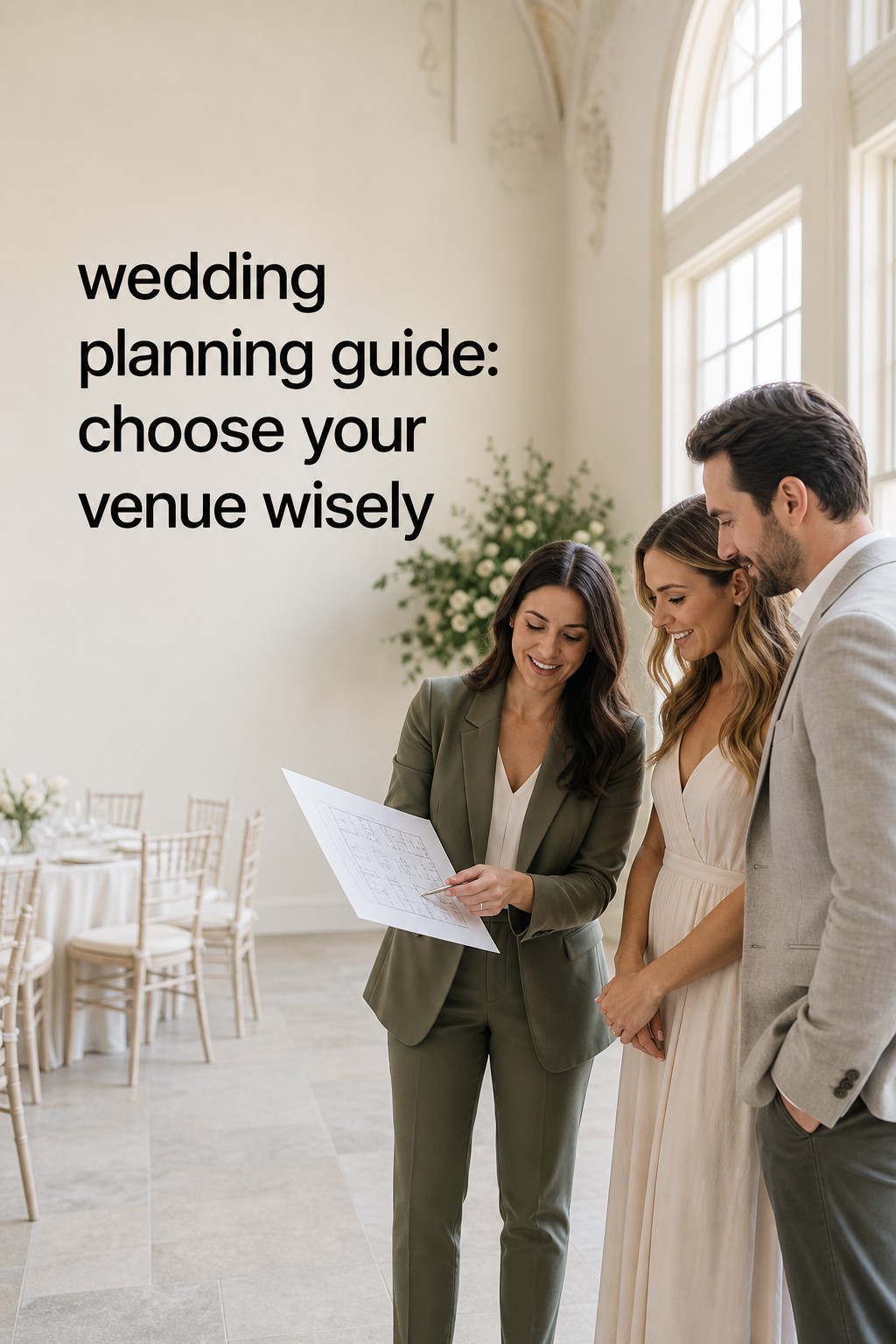
    wedding planning guide couple and coordinator comparing venue floor plan
    Use your wedding planning guide to compare the venue beyond its photographs.

    2. Turn your foundation into a realistic planning timeline

    Once you understand your priorities, guest range, and financial limits, choose a date strategy. Some couples have one meaningful date. Others need two or three possible dates to make venue and vendor availability easier. A flexible date can open better options, especially if your engagement is shorter or your preferred season is popular.

    Think of your timeline as a chain of dependencies. You cannot finalize invitations until the venue address and ceremony timing are known. You should not order a cake based on a guest count that is still changing. You cannot create a helpful wedding-day schedule until you know how long the ceremony, portraits, travel, dinner, and formalities will take.

    • First layer: priorities, budget, guest range, location, date, and celebration format.
    • Second layer: venue, planner or coordinator, photographer, caterer, entertainment, and attire.
    • Third layer: ceremony structure, florals, rentals, invitations, website, and guest logistics.
    • Final layer: seating, playlists, signage, beauty schedule, vendor confirmations, and emergency supplies.

    This layered approach is more useful than copying a twelve-month checklist line by line. A checklist gives you a starting map, but your actual pace depends on your location, season, guest count, and vendors. If your wedding is six months away, keep the order of decisions and compress the calendar. If it is eighteen months away, do not manufacture urgency around details that will change.

    Venue research should answer more than whether the room looks beautiful in photographs. Ask about capacity, rain plans, accessibility, parking, load-in rules, curfew, included rentals, catering restrictions, bar policies, insurance, setup time, cleanup, and payment deadlines. A venue that supports your practical needs will make every later decision easier.

    Book vendors according to demand and dependency. The venue usually comes first, followed by the vendors whose availability is limited in your area, such as the photographer, caterer, band, or planner. That does not mean you must sign every contract immediately. It means you should understand the booking windows before spending your energy on low-risk details.

    Read every contract for the same basic information: what is included, what is optional, when payments are due, how changes are handled, what happens if the vendor is ill, and which costs are not included in the headline price. Save signed contracts and invoices in one shared location. A beautiful mood board cannot protect you from a missed payment deadline.

    When choosing a planner or coordinator, be specific about the help you need. Full planning support can be valuable when you want someone to manage research, design, and logistics. Partial planning can help when the foundation is set but decisions are multiplying. A month-of coordinator can take ownership of final confirmations and wedding-day flow. The right level of support is the one that solves your actual friction.

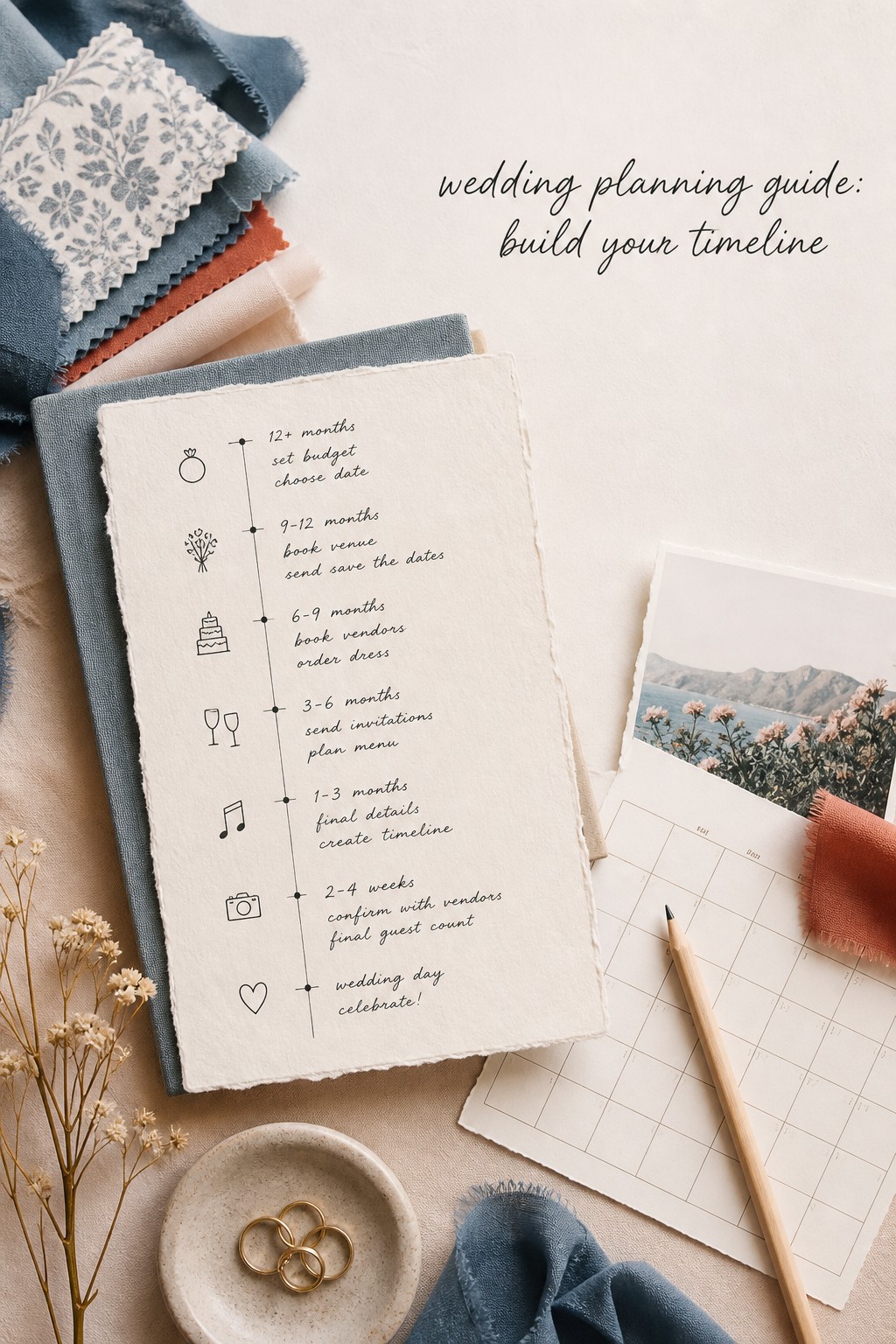
    wedding planning guide timeline flat lay with calendar and fabric swatches
    Build a flexible wedding timeline with this wedding planning guide.

    3. Shape the guest experience from ceremony to reception

    With the major bookings underway, move from structure to experience. Start with the ceremony because it gives the day its emotional center. Decide who will officiate, how formal the language should feel, whether you want readings or cultural elements, and what parts of the ceremony should be explained for guests who may not know the tradition.

    Personalization does not require a long ceremony. A short story about your relationship, a meaningful reading, a family ritual, or a welcome in more than one language can make the moment feel considered. Choose elements because they connect to you, not because a wedding website says every ceremony needs them.

    Then trace a guest’s day from arrival to departure. Where do they go when they arrive? Can they find the ceremony without asking? Is there enough time between ceremony and reception for portraits and a drink? Will older guests have comfortable seating? Are food, water, restrooms, and transportation easy to understand? These practical questions are a form of hospitality.

    • Make the arrival path obvious with a welcome person, sign, or venue team member.
    • Offer a clear plan for guests who need shade, seating, quiet, or step-free access.
    • Tell guests what will happen during a long transition between events.
    • Keep essential information on the wedding website and invitation suite.
    • Give the wedding party a simple answer for common questions.

    Your design decisions should support that experience. Choose a small set of repeatable materials, colors, and textures instead of treating every surface as a new project. A table can feel intentional with linens, candles, and a thoughtful menu card. It does not need a separate concept for the welcome table, bar, dessert table, gift table, and every corner of the room.

    Attire deserves its own timeline because alterations, accessories, shoes, and fittings often take longer than expected. Build in room for comfort as well as photographs. The most successful look is one you can move, eat, hug, and dance in. If members of the wedding party are choosing their own outfits, provide clear guidance on color, formality, and ordering deadlines without requiring identical results.

    Stationery is another place where decisions connect. Your invitation should communicate the tone and the information guests actually need: names, date, location, response instructions, dress guidance, and relevant travel details. Confirm wording, addresses, postage, meal choices, and accessibility information before ordering. Ask one detail-focused person to proofread the final file with fresh eyes.

    As RSVPs arrive, keep the guest list connected to the seating plan, meal preferences, transportation, and welcome details. Avoid maintaining separate versions in multiple notebooks. If a guest changes their response, update the central record and note who made the change. A reliable record protects you during the busy final weeks.

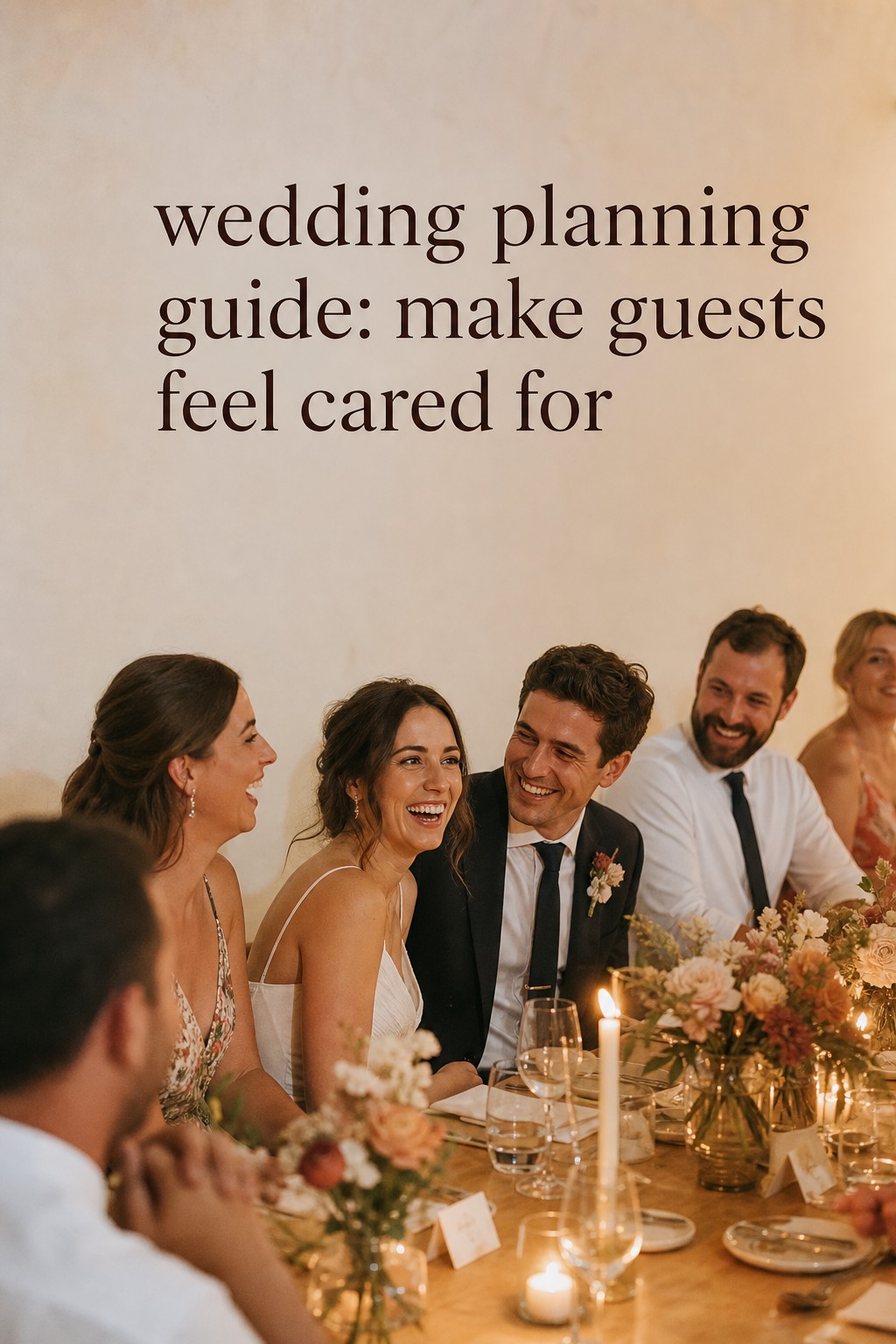
    wedding planning guide joyful dinner guests around an intimate reception table
    Let your wedding planning guide shape a guest experience that feels welcoming.

    4. Build a shared command center and finish with confidence

    Planning becomes easier when information has a home. Create one shared command center for your budget, guest list, vendor contacts, contracts, payment dates, design references, and questions. The Wedding Command Center can be a useful planning resource when you want one place to make responsibilities visible and reduce the amount of information living in someone’s head. Use it as a practical coordination aid, not as another project to maintain perfectly.

    Give each task an owner and a next action. “Flowers” is not a task. “Ask florist whether bud vases are included in the proposal by Friday” is a task. “Wedding website” is not a task. “Add hotel block details after the venue confirms the room code” is a task. Specific next actions make it much easier for two people to plan together.

    • Hold a short weekly planning meeting with a written agenda.
    • End every meeting with three priorities and one decision that can wait.
    • Record decisions, not just ideas, so you do not reopen the same question repeatedly.
    • Keep a “later” list for details that matter but are not ready to be decided.
    • Share only the information each helper needs to do their part well.

    About six to eight weeks before the wedding, move into confirmation mode. Check final guest numbers, meal choices, transportation, ceremony wording, rental quantities, attire, beauty appointments, music cues, and photo priorities. Confirm arrival and departure times with every vendor. Put the final schedule in writing and ask the venue or coordinator to identify conflicts.

    Write a short contingency plan for the situations most likely to affect your day. Decide who handles rain, a delayed delivery, a missing boutonniere, a guest who needs help, or a vendor question while you are getting ready. This is not pessimism. It is a way of making sure a small problem reaches a prepared person instead of reaching you during your vows.

    In the final week, stop adding major ideas. Pack ceremony items, rings, licenses, invitations, tips, medication, comfortable shoes, and anything sentimental. Give the schedule and contact list to the people who will use them. Eat regular meals, sleep where you can, and let some details be good enough. The purpose of the plan is to create room for the day, not to keep you working through it.

    The most common planning mistakes are not a lack of taste. They are trying to decide everything at once, underestimating the guest count, forgetting taxes and gratuities, booking without reading contracts, keeping information in separate places, and assigning wedding-day questions to the couple. Each one has a simple countermeasure: work in layers, keep a realistic range, budget the full cost, document agreements, use one command center, and appoint a decision-maker for the day.

    A wedding planning guide cannot tell you what your celebration must look like. It can help you protect the parts that matter, make decisions in a humane order, and know when enough planning has been done. Start with the experience, build the foundation, choose the people and place that support it, and let the details follow. Your wedding does not need to look effortless. It needs to feel like it belongs to you.

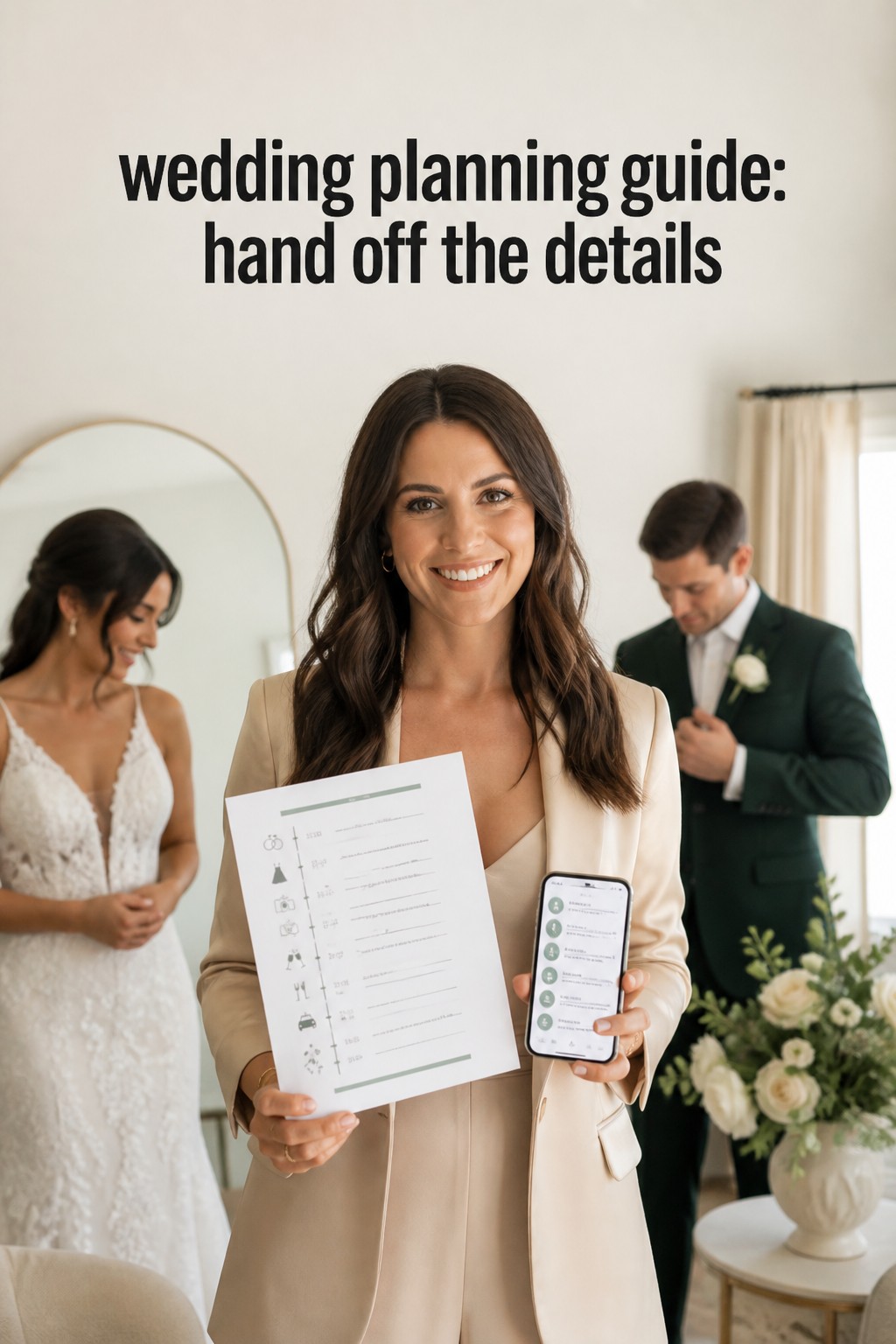
    wedding planning guide coordinator holding final schedule for wedding day handoff
    Use your wedding planning guide to create a calm final handoff.

    FAQ

    What should we do first after getting engaged?

    Celebrate before you start making decisions. Then discuss your priorities, a realistic guest-count range, and the total budget. These three pieces shape the venue, date, vendor choices, and scale of the celebration.

    How far in advance should we start planning a wedding?

    Twelve to eighteen months gives you comfortable choice, but it is not the only workable timeline. A shorter engagement can succeed when you keep the decision order clear, stay flexible about dates and locations, and book high-demand vendors promptly.

    What is the most important part of a wedding budget?

    The most important part is the complete picture. Include taxes, service charges, gratuities, attire alterations, stationery postage, transportation, and a contingency reserve, not only the prices shown in initial proposals.

    Should we hire a wedding planner or coordinator?

    Consider professional help when research, design, logistics, or family coordination is creating ongoing stress. Full planning, partial planning, and month-of coordination solve different problems. Choose the level that matches your actual needs and read the scope of services carefully.

    When should we book our wedding venue?

    Book the venue after you understand your approximate guest count, budget, preferred locations, and date flexibility. Before signing, confirm capacity, catering rules, rain plans, accessibility, setup time, cleanup, payment deadlines, and all additional fees.

    How can we make wedding planning less overwhelming?

    Use one shared planning system, work in layers, assign an owner to every next action, and keep a list of decisions that can wait. A short weekly meeting is usually more effective than checking dozens of tasks whenever anxiety appears.

    What belongs on a wedding-day timeline?

    Include vendor arrival, setup, getting ready, transportation, ceremony, portraits, cocktail hour, dinner, speeches, dances, cake or dessert, final song, guest departure, and cleanup. Add buffer time and identify one person who can adjust the schedule without involving the couple.

    How do we personalize a wedding without adding too many details?

    Choose a few meaningful moments and repeat a simple visual language. A personal ceremony reading, a family recipe, a thoughtful welcome, or music connected to your story can create more impact than adding a new decorative idea to every table.

  • Wedding Planning Spreadsheet: Build a Calm Plan

    Wedding Planning Spreadsheet: Build a Calm Plan

    A wedding planning spreadsheet can become the quiet control center behind a calm engagement. It gives you one place to see what you have decided, what still needs attention, what has been paid, and who owns the next step. The goal is not to build the biggest workbook possible. The goal is to create a shared planning system that helps you make decisions without searching through old emails, phone notes, and separate lists.

    The best version is simple enough to update every week and detailed enough to prevent expensive surprises. Start with the essentials, connect the information that naturally belongs together, and add extra tabs only when they solve a real planning problem. This guide explains how to build that system in Google Sheets or Excel, how to choose useful columns, and how to turn the file into a practical routine for you, your partner, and your wedding planner.

    wedding planning spreadsheet with a couple starting a calm shared plan
    Use a wedding planning spreadsheet to create a calm shared starting point.

    Why a shared wedding planning spreadsheet works

    Wedding planning creates a surprising number of small decisions. A venue quote affects the budget. The guest count affects catering, rentals, stationery, and the seating plan. A payment deadline affects cash flow. A ceremony start time affects photography, transportation, hair and makeup, and the reception schedule. When each detail is stored in a different place, the connections are easy to miss.

    A shared wedding planning spreadsheet makes those connections visible. You do not need advanced project management software to benefit from that visibility. A well-labeled workbook can show the current budget, the next deadlines, the vendors you have contacted, and the guests who still need a response. It also gives your partner a clear way to participate. Instead of asking, “What can I do?” they can open the task view and take ownership of a specific item.

    Google Sheets is often the easiest starting point because it saves automatically and supports real-time collaboration. Excel is a strong choice if you already use Microsoft 365, prefer offline work, or want more advanced spreadsheet features. Numbers can work for an Apple-only household, but compatibility matters when you plan to share a file with a planner, venue, or family member.

    Choose one primary file and give it a clear name, such as Wedding_Plan_2027-05-22. Avoid names like “final” or “latest,” which become confusing as the plan changes. Keep the original link in a safe place, and use the spreadsheet’s version history when you need to understand or undo a change.

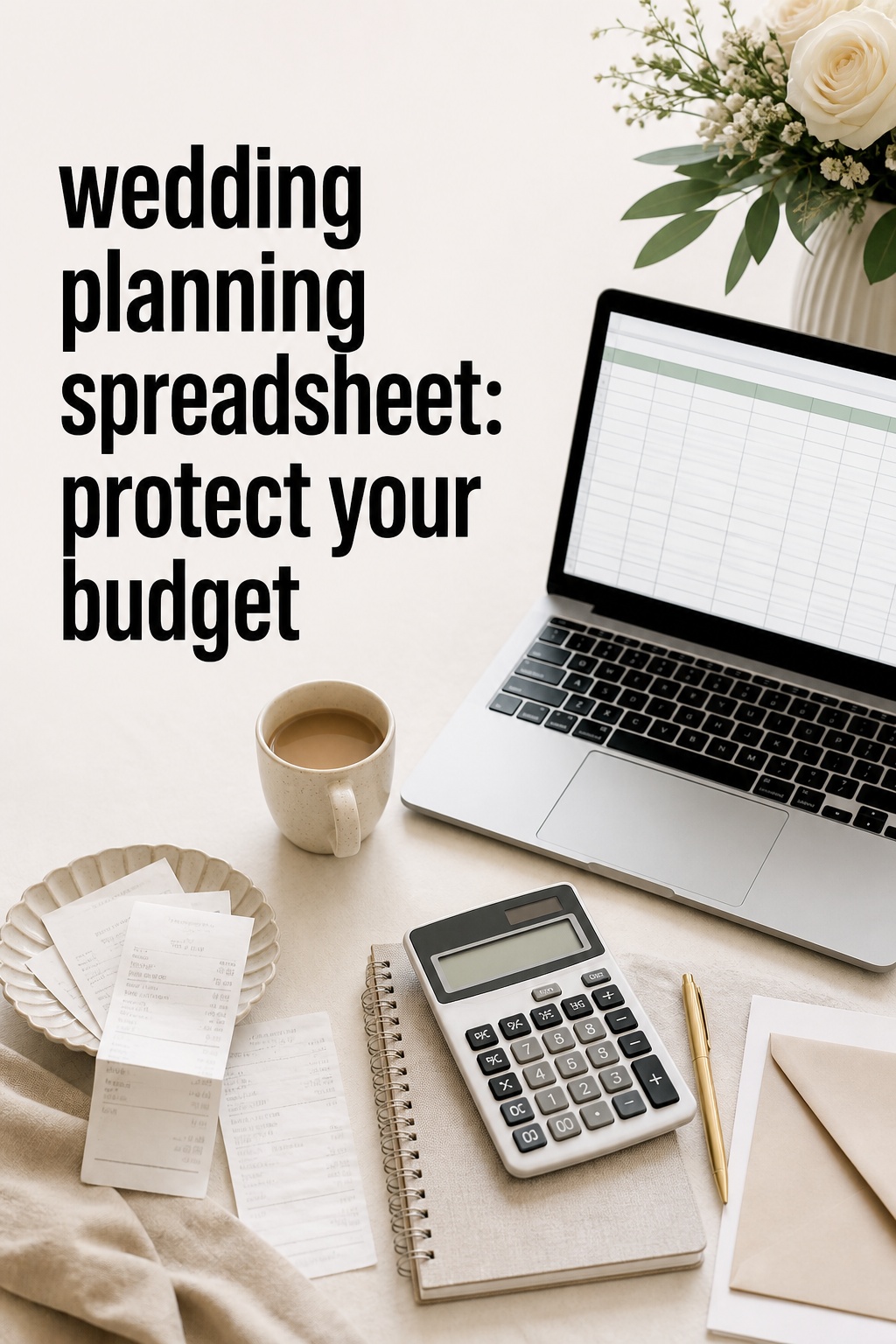
    wedding planning spreadsheet budget workspace with calculator and receipts
    Track estimates, payments, and balances in a wedding planning spreadsheet.

    Build the five essential tabs first

    You can find templates with ten, fifteen, or more tabs, but most couples can begin with five. These tabs cover the decisions that drive nearly everything else: money, people, vendors, tasks, and the wedding day. A smaller workbook is easier to trust because you are more likely to keep it current.

    1. Overview and decisions

    Use the first tab as a dashboard rather than a second checklist. Add the couple’s names, wedding date, location, estimated guest count, total budget, and the top three priorities for the celebration. You can also record the current planning phase, the next major decision, and the date of your next review. This gives anyone opening the file immediate context.

    • Wedding date and ceremony start time
    • Venue and city
    • Estimated guest count
    • Total working budget
    • Top priorities, such as food, photography, or a relaxed guest experience
    • Next decision and its owner

    2. Budget and payments

    The budget tab should track more than a list of hoped-for prices. Give each row a category, vendor, estimated cost, actual cost, deposit, amount paid, balance due, payment deadline, and status. Add a notes column for what the quote includes, such as setup, taxes, service charges, delivery, or gratuity. Those details often explain why two apparently similar quotes are not actually comparable.

    Separate the original estimate from the current commitment. If the florist estimate was $2,000 and the signed proposal is $2,350, keep both numbers. The difference tells you how your assumptions are changing. A simple remaining-balance formula can be =ActualCost-AmountPaid. A budget variance formula can compare your working budget with the actual or committed total. If formulas feel intimidating, begin with clear columns and manual totals. Reliable information matters more than clever automation.

    • Category: venue, catering, attire, photography, flowers, music, stationery, rentals, transportation, and contingency
    • Estimated cost and contracted cost
    • Deposit paid and balance remaining
    • Payment due date
    • Contract status and document link
    • Actual final cost after the wedding

    3. Guest list and RSVP tracker

    Keep one row per invited person, not one row per household. That makes meal choices, dietary requirements, accessibility needs, and seating assignments much easier to manage. Include household or invitation group as a separate field so you can still send one invitation to a couple or family.

    Useful fields include name, invitation group, email, mailing address, relationship or guest category, plus-one status, RSVP status, meal choice, dietary notes, hotel needs, table number, and thank-you note status. Use a small set of consistent RSVP values, such as Not invited, Invited, Yes, No, and Waiting. Consistent labels allow simple COUNTIF formulas to calculate totals without manual counting.

    4. Vendor and contract tracker

    The vendor tab should help you compare options before booking and remember obligations after booking. Add vendor category, business name, contact person, phone, email, website, quote amount, contract status, deposit amount, next payment date, arrival or load-in time, and notes. Include a link to the signed contract in your cloud storage, but do not rely on the spreadsheet as the only copy of an important legal document.

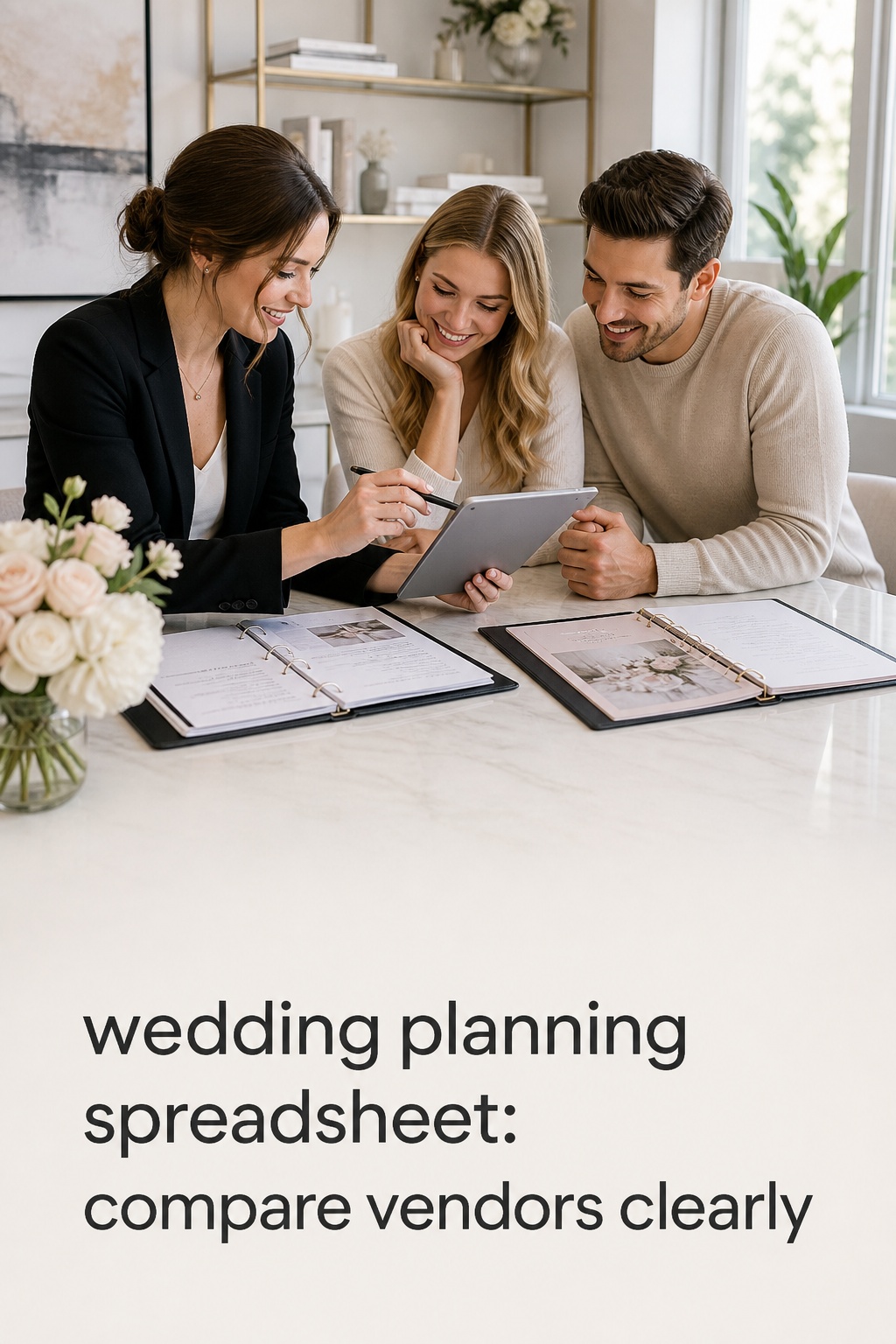
    For unbooked vendors, create a comparison area with the same questions for every candidate. Record what is included, what is extra, cancellation terms, overtime pricing, insurance requirements, and the response date. A consistent comparison prevents a low headline price from looking better than a more complete proposal.

    5. Planning checklist and wedding-day timeline

    Use the planning checklist for work that happens before the wedding and the day-of timeline for the event itself. The checklist can include task, category, due date, owner, priority, status, dependency, and notes. A dependency explains what must happen first. For example, you cannot finalize the seating chart until the RSVP deadline has passed.

    The wedding-day timeline needs a different level of precision. Include time, activity, location, responsible person, vendor or participant, setup details, and contact notes. Build a private working version first, then create a clean shareable version for vendors and the wedding party. This protects the master workbook from accidental edits while giving everyone the information they actually need.

    wedding planning spreadsheet guest list and seating cards for an organized plan
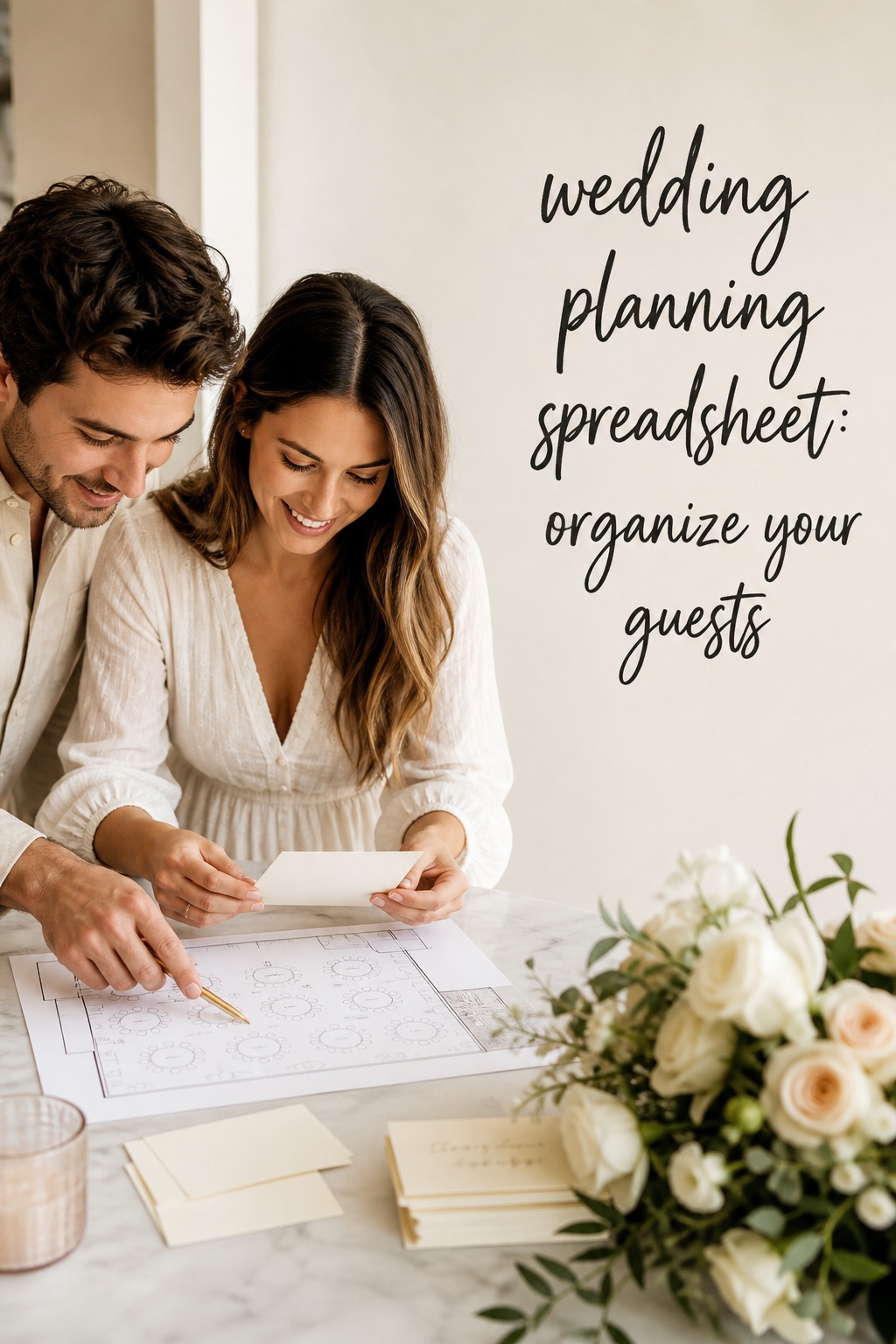
    Connect guest details, RSVPs, meals, and seating in one planning view.

    Add the columns and formulas that prevent surprises

    Columns are decisions in disguise. If you do not create a place for a due date, the due date may live in an email. If you do not create a place for a contract link, the signed agreement may be difficult to find when a question comes up. Before adding a formula, ask which decision it will make easier.

    For budget tracking, use a total row with SUM. For RSVP counts, COUNTIF can count each status. SUMIF can total spending by category, which helps you see whether the pressure is coming from catering, rentals, or attire. A date formula can show the days until the wedding, but do not let a countdown replace a human review of what is actually urgent.

    Dropdowns are useful for fields that should stay consistent. Add them for status, priority, RSVP, vendor category, and payment state. Conditional formatting can highlight overdue tasks, unpaid balances, or missing RSVP responses. Use color sparingly. If every cell is bright, nothing is truly calling for attention.

    • Freeze the header row so labels stay visible while scrolling.
    • Use filters instead of creating a new copy for every view.
    • Protect formula cells and the header row from accidental edits.
    • Keep currency and date formats consistent.
    • Add a source or notes column when a number came from a quote or conversation.
    • Use links to documents instead of pasting long contract text into cells.

    When a planning file starts to feel like too much, create a “current view” tab that surfaces only open tasks, upcoming payments, and decisions waiting for an answer. A planner can also use a separate handoff view. The Wedding Command Center can be useful as a companion planning resource when you want a more guided place to organize decisions, while the spreadsheet remains the flexible record you and your vendors can access.

    wedding planning spreadsheet for comparing vendor proposals and contracts
    Use consistent columns to compare quotes, contracts, deposits, and deadlines.

    Use the spreadsheet as a weekly planning system

    A workbook only reduces stress when it reflects reality. Schedule a 30-minute weekly review with your partner. Start by checking the dashboard, then review payments due in the next 30 days, open vendor questions, overdue tasks, and guest responses. Finish by choosing the next three actions. This small routine is more valuable than a complicated workbook that gets updated once a month.

    Assign every active task to one person. Shared responsibility sounds friendly, but it often means nobody knows who is expected to finish. You can still collaborate, but give the row one owner and use notes to record who is supporting them. Rotate the review if one partner has carried too much of the administrative work.

    Use the wedding date to work backward from fixed deadlines. If invitations need to be mailed eight weeks before the wedding, set the design, proofing, address collection, and postage tasks earlier than that. If a vendor needs the final headcount two weeks before the event, set an internal deadline several days sooner. Internal deadlines create room for ordinary delays.

    As the wedding approaches, shift from planning to handoff. Confirm that every vendor has the correct arrival information, the venue has the final floor plan, the caterer has dietary notes, and the person managing payments knows what remains due. Export or print clean views if someone needs information without access to the full workbook.

    Mistakes that make a wedding spreadsheet harder to use

    The first common mistake is building too much too soon. A tab for every possible wedding detail may look thorough, but blank sections create guilt and make important information harder to find. Begin with the five essential areas and add a tab only when you can name the decision it will support.

    The second mistake is mixing estimates, quotes, deposits, and final costs in one unlabeled number. Keep those values separate. A budget can be technically accurate and still misleading if it does not show what is committed, what is paid, and what is merely an early guess.

    The third mistake is allowing multiple unofficial copies. If your partner has one file, your parent has another, and your planner has a third, you no longer have a source of truth. Share controlled views or links to the main file, and record major changes in a notes column when context matters.

    The fourth mistake is storing sensitive information without thinking about access. Use the least access necessary. A vendor may need the day-of schedule and their own contact details, but not your complete budget or guest addresses. Review sharing permissions as the planning team changes.

    Finally, do not use the spreadsheet to avoid conversations. It can show that a decision is waiting, but it cannot decide which priorities matter most to you. Use the file to make the conversation clearer, then record the outcome so you do not have to revisit the same uncertainty.

    wedding planning spreadsheet with couple sharing checklist and calendar tasks
    Assign owners and review deadlines together so planning stays shared.

    FAQ

    What should a wedding planning spreadsheet include?

    Start with an overview, budget and payments, guest list, vendor tracker, planning checklist, and wedding-day timeline. Add seating, hotels, stationery, attire, registry, or honeymoon tabs only when those areas need their own working view. The best spreadsheet is the one you will keep updated.

    Is Google Sheets or Excel better for wedding planning?

    Google Sheets is usually best for couples who need real-time collaboration, automatic saving, and easy sharing with a planner. Excel is a good fit if you already use Microsoft 365, prefer offline access, or need advanced features. Either works when the structure and update routine are clear.

    How many tabs should a wedding planning spreadsheet have?

    Five essential tabs are enough for many couples: overview, budget, guests, vendors, and tasks or timeline. The wedding-day schedule can be a separate sixth tab when the event becomes more detailed. Small weddings may need only three or four tabs, while multi-event celebrations may need more.

    What columns belong in a wedding budget spreadsheet?

    Use category, vendor, estimated cost, contracted cost, amount paid, balance due, payment deadline, contract status, and notes. Add actual final cost after the wedding. Keeping estimates, commitments, and payments separate makes it easier to see both your expected total and your immediate cash needs.

    How often should we update our wedding planning spreadsheet?

    Review it once a week during most of the engagement and twice a week during the final month if many deadlines are active. Update the file whenever you sign a contract, pay a deposit, receive an RSVP, or change a major decision. Frequent small updates are easier than a large catch-up session.

    Can we share the spreadsheet with our wedding planner?

    Yes, if the planner needs the information and the access level is appropriate. Consider keeping a private master file and creating a vendor or planner view with only relevant tabs. Protect formula cells, review permissions, and remove access when someone is no longer involved.

    When should we switch from a spreadsheet to a dedicated planning tool?

    Consider a dedicated tool when multiple events, complex guest relationships, automated reminders, or repeated handoffs make the workbook difficult to maintain. You do not have to abandon the spreadsheet immediately. Export a clean copy, decide which information will remain authoritative, and keep the transition focused on solving a specific problem.

  • Wedding Planning on a Budget: Choose What Matters

    Wedding Planning on a Budget: Choose What Matters

    Wedding planning on a budget is not a contest to make every line item as small as possible. It is a process of choosing what deserves your money, time, and attention before excitement turns into expensive commitments. A beautiful wedding can be intimate, simple, relaxed, or highly personal. The common thread is that the couple makes deliberate choices instead of allowing package upgrades, guest expectations, and last-minute purchases to make the choices for them.

    This guide is designed for couples who want a celebration that feels generous without borrowing for it. Use the framework with any total budget and in any region. The dollar amounts will change, but the sequence is dependable: agree on the ceiling, understand the guest-driven costs, decide which experiences matter, compare complete vendor prices, and leave room for ordinary surprises. When those decisions are visible, the budget becomes a planning tool rather than a source of shame or conflict.

    wedding planning on a budget with a calm shared budget workspace
    Start wedding planning on a budget with a clear shared plan.

    The most useful comparison is rarely cheap versus expensive. It is often larger guest list versus more detail, Saturday versus Friday, full-day coverage versus focused coverage, or a blank-canvas venue versus a venue with useful inclusions. Each option can be right. Your job is to understand what changes, what it costs, and whether the change supports the wedding you actually want.

    Compare the budget decisions that shape the whole wedding

    Start with a total number that your household can responsibly provide. Add current wedding savings, a realistic monthly contribution, and confirmed family gifts. Keep possible gifts separate until the amount, timing, and expectations are clear. A contribution that arrives late or comes with conditions is not the same as cash you can use for a deposit today. Also decide whether the budget includes rings, attire, beauty appointments, the marriage license, rehearsal events, transportation, lodging, tips, and a honeymoon. If those costs are outside the wedding budget, write that boundary down.

    Next, create a reserve before assigning every dollar. Five to ten percent is a useful starting range, although an outdoor wedding, a complicated venue, or a long engagement may justify more. This money is not a permission slip to spend more. It protects the plan from the costs that appear after a contract is signed, such as service charges, taxes, alterations, extra rentals, overtime, weather changes, vendor meals, postage, or a higher final guest count.

    Then compare guest count scenarios. The guest list affects more than invitations. It changes the venue size, food and drink, rentals, staffing, cake, transportation, restroom needs, favors, and sometimes photography coverage. Make a simple table for 40, 70, and 100 guests. Ask each venue and caterer for an all-in estimate at those counts. This turns an emotional question into a visible trade-off. If inviting 30 additional guests costs more than the extra experience is worth to you, the smaller celebration may be the more generous choice for your future.

    • Protect: the parts of the day that carry the most meaning for both of you.
    • Adapt: items that can change in scale, timing, format, or quantity.
    • Release: details that are attractive but do not improve the guest experience or your memories.
    • Review: every decision after taxes, fees, labor, delivery, setup, cleanup, and overtime are included.
    wedding planning on a budget with partners comparing priorities and costs
    Protect the priorities that make wedding planning on a budget feel personal.

    Choose between the biggest cost levers

    Venue and catering usually deserve the earliest comparison because they can consume the largest share of the budget. Do not compare rental fees alone. A low rental price can hide a food and beverage minimum, required rentals, preferred vendors, staffing, security, cleanup, or a strict bar package. A higher rental fee may include tables, chairs, lighting, getting-ready rooms, and a coordinator. Ask for the complete price of the guest experience, not the most attractive number on the first page of a proposal.

    Date and time are powerful alternatives to reducing quality. Friday, Sunday, weekday, brunch, lunch, and off-season celebrations may open different price points. The correct option depends on your location and your guests, so request actual quotes rather than assuming a discount. A date change can also affect hotel rooms, travel, childcare, and time off work. Consider the cost for guests as part of the planning decision, especially when many people will travel.

    Photography is another comparison that should focus on coverage and fit rather than a single hourly rate. Decide which moments you want documented, how much getting-ready time matters, whether you need a second photographer, and whether you value an album now or later. Ask to see a complete gallery from a comparable wedding. A short, thoughtful package may protect the moments you care about more effectively than a long package filled with hours you do not need.

    Flowers, decor, music, attire, and stationery can flex in different ways. Seasonal flowers, candles, reusable rentals, digital invitations, sample-sale attire, a curated playlist, or a smaller cake can lower cost without making the day feel careless. Avoid treating every category as equally important. If food and photographs are your priorities, let decor and paper carry less of the budget. If dancing is central, choose music before purchasing decorative upgrades. A budget works when it reflects your values instead of copying a standard percentage chart.

    DIY belongs in this comparison too. It can be worthwhile for small projects that use a skill you already have, can be completed early, and do not create wedding-day labor. It is not automatically cheaper once supplies, tools, storage, transportation, setup, cleanup, failed attempts, and family time are included. Compare the complete DIY cost with a vendor quote and with the value of your free time. Choose place cards, a simple welcome sign, or playlist curation before attempting a large installation that must be finished under pressure.

    wedding planning on a budget with a couple comparing wedding venues
    Compare complete venue costs when planning a wedding on a budget.

    Build savings around the guest experience

    The best budget cuts are often invisible because they remove complexity rather than warmth. Start with a clear guest list policy for children, plus-ones, and distant acquaintances. Apply it consistently and communicate early. A smaller guest list can allow a better meal, more comfortable seating, a more convenient venue, or a photographer whose work you genuinely love. The point is not to make guests feel excluded. It is to host the people you can welcome well within the resources you have.

    Look for venues that solve several needs at once. A restaurant private room may include food, staff, tables, and a rain plan. A community hall may offer flexibility if you can coordinate rentals. A backyard can be personal, but it may require tents, power, restrooms, lighting, insurance, parking, and a weather decision. A park may be affordable but require more transport and setup. Compare the work and risk each setting transfers to you. The least expensive room is not necessarily the least expensive wedding.

    Use food and drink choices thoughtfully. A buffet, family-style meal, brunch, food truck, limited bar, beer and wine service, or signature drink can fit certain celebrations well. The decision should consider service flow, dietary needs, weather, venue rules, and guest comfort. Ask whether staffing, glassware, ice, mixers, cake cutting, and vendor meals are included. Saving on the menu is successful when guests still know what to expect and can eat comfortably.

    Reduce paper and decorative duplication. One invitation per household, online RSVPs, a simple ceremony program, reusable signage, and ceremony flowers moved to the reception can reduce waste. Choose a small number of visual elements and repeat them intentionally. A consistent color, candlelight, foliage, or thoughtful table number can do more than a collection of unrelated purchases. The result often feels more designed because the choices are edited.

    Protect the moments guests actually experience. They notice whether the schedule is clear, the ceremony can be heard, the food arrives at a reasonable pace, the temperature is comfortable, and there is a simple way to move between locations. They remember conversation, dancing, and how welcomed they felt. A budget should fund logistics before novelty. When you are deciding between an upgrade and a practical need, ask which one improves the day for more people.

    Do not forget the costs that make a saving idea possible. An outdoor ceremony may need umbrellas, heaters, fans, mats, lighting, or a backup space. A secondhand dress may need alterations and cleaning. A friend photographing the wedding may need a clear shot list, meals, equipment, and permission to enjoy the day. A playlist needs speakers and someone responsible for transitions. Every lower-cost option is a package of benefits, responsibilities, and risks. Price the whole package before deciding.

    wedding planning on a budget with a couple sharing tasks on a calendar
    Share the planning work so your wedding budget stays visible.

    Run the plan as a shared system

    Choose one shared source of truth for the budget, guest list, vendor directory, payment calendar, decision log, and wedding-day handoff. A spreadsheet, planning app, or shared workspace can work if both partners know where the current information lives. Do not let final prices remain in text messages, screenshots, email threads, and memory. Store the proposal, contract, deposit, balance, due date, cancellation terms, and open questions together.

    Give each budget line five useful fields: target amount, quoted amount, committed amount, amount paid, and amount still due. Add tax, service charge, gratuity assumptions, delivery, setup, cleanup, overtime, and payment dates. When a vendor says something is included, record the exact wording and where it appears in the contract. This habit helps you compare proposals fairly and prevents a pleasant conversation from being mistaken for a guaranteed inclusion.

    Set a weekly fifteen-minute money meeting. Review the current total, the next four payments, new quotes, unresolved questions, and one decision that needs attention. Keep the meeting short and specific. If the conversation becomes tense, return to the protect, adapt, and release lists. The goal is not to win a debate. It is to make the next responsible choice while both partners can still see the whole picture.

    Use a simple upgrade rule. Before adding an expense, ask what changes for guests, how many people benefit, whether it supports one of your priorities, and which funded category will pay for it. If the answer is unclear, pause for a day. If you still want the item, identify a specific trade-off before approving it. This keeps a series of small upgrades from quietly becoming a large overage.

    The Wedding Command Center can be useful as a planning resource when you need a shared place to keep decisions, deadlines, and wedding details visible to both partners. Treat it as part of your operating system, not as a reason to add more purchases. The value is in reducing scattered information and making conversations easier to have. Any tool should serve the budget, not become another category that competes with it.

    As the wedding approaches, prepare a handoff packet. Include the timeline, venue access information, vendor contacts, final headcount, floor plan, meal notes, payment envelopes, emergency contacts, weather decision, and who has authority to answer questions. A coordinator, trusted friend, or family member can manage this information while you focus on getting married. A calm handoff is a budget decision because it can reduce delays, overtime, duplicate purchases, and last-minute panic.

    Common mistakes to avoid before final review

    Do not start with inspiration and work backward from a price you cannot support. Begin with the total ceiling and the guest count range. Do not count family help before confirming the amount and expectations. Do not compare base prices while ignoring service charges, taxes, rentals, staffing, delivery, setup, cleanup, overtime, alterations, and tips. Do not assume that a venue coordinator is providing the same service as a wedding coordinator. Ask what each person owns on the wedding day.

    Do not use averages as a promise. National figures can help you understand the scale of wedding spending, but local market, season, guest count, venue rules, and your priorities matter more. Request current quotes in your area and keep a record of what each quote includes. Review the contract before paying a deposit. If the proposal is difficult to understand, ask the vendor to explain the total in writing.

    Do not spend the contingency before the wedding exists. If you use part of it, make a replacement plan or reduce another commitment. Do not let a low price justify poor communication, missing insurance, unsafe food handling, or an unreliable timeline. Value includes competence and peace of mind. Sometimes the most affordable choice is the vendor who clearly explains limits and helps prevent an expensive problem.

    Before the final review, check that the guest list matches the catering count, the venue plan matches the rental order, the schedule includes setup and cleanup, and every vendor knows the final contact person. Confirm what is paid and what is due. Confirm where tips, licenses, attire alterations, transportation, and rehearsal meals sit. Then ask one last question: does the plan still reflect what matters to us? If yes, you are using the budget well.

    wedding planning on a budget with a coordinator reviewing a final handoff
    Finish wedding planning on a budget with a calm final handoff.

    FAQ

    What is the first step in wedding planning on a budget?

    Set a total spending ceiling based on money you can responsibly access without harmful debt. Separate confirmed contributions from possible gifts, include overlooked costs, and reserve five to ten percent for surprises before comparing venues or vendors.

    How can we decide what to prioritize?

    Each partner should independently name three parts of the wedding that matter most, then compare the lists. Protect shared priorities, adapt items that can change in scale or format, and release details that do not improve the experience or carry personal meaning.

    Does reducing the guest list really save money?

    Usually, yes. Fewer guests can reduce catering, drinks, rentals, venue size, invitations, cake, staffing, and transportation. Build two or three guest-count scenarios and request complete estimates so you can see the actual savings instead of guessing.

    Is a weekday wedding always cheaper?

    No. Weekdays and off-season dates may cost less at some venues, but pricing varies by market and demand. Ask for real quotes and consider guest travel, time off work, lodging, and the possibility that some people cannot attend.

    When does DIY actually save money?

    DIY can save money when the project is small, materials and tools are affordable, the skill already exists, and it can be completed early without wedding-day labor. Include storage, transport, setup, cleanup, failed attempts, and the value of your time before deciding.

    What hidden wedding costs should we track?

    Track taxes, service charges, gratuities, vendor meals, overtime, delivery, setup, cleanup, rentals, alterations, hair and makeup trials, postage, marriage license fees, transportation, insurance, weather plans, and final guest-count changes.

    How do we stop a wedding budget from growing?

    Hold a short weekly review, keep one shared source of truth, and require every upgrade to name the category that will fund it. If an expense does not support a priority or improve the guest experience, pause before approving it.

  • Wedding Planning on a Budget: What to Prioritize

    Wedding Planning on a Budget: What to Prioritize

    Wedding planning on a budget becomes easier when you stop asking how to make every part of the day cheaper and start asking which parts deserve your money, time, and attention. A meaningful celebration does not require an unlimited guest list, a luxury venue, or a long menu. It requires a clear ceiling, honest priorities, and a planning system that makes every decision visible before it becomes a bill.

    This checklist is for couples who want a beautiful, personal wedding without borrowing for the experience or discovering hidden costs in the final weeks. Use it whether your total budget is $8,000, $20,000, or more. The numbers change, but the order of decisions remains useful: define what you can afford, protect what matters most, price large commitments first, and build enough flexibility to handle real life.

    wedding planning on a budget with a calm shared budget workspace
    Start wedding planning on a budget with a clear shared plan.

    Before you tour venues or save inspiration images, make one shared promise: the wedding budget is a tool for choosing, not a scorecard for proving how much you love each other. The goal is not to imitate another couple’s celebration. The goal is to build a day that feels like yours and still leaves room for your life after the wedding.

    Set the real budget before choosing the wedding

    Start with the amount you can responsibly spend, not a number suggested by a wedding website. List available savings, planned monthly contributions, and confirmed gifts. Treat possible help as unknown until the amount and timing are clear. Separate the total ceiling from vendor money because attire, rings, stationery, lodging, transportation, license fees, rehearsal meals, alterations, tips, taxes, and cleanup may sit outside a first quote. Reserve five to ten percent for surprises. A reserve is protection against ordinary changes and keeps one repair or delay from becoming revolving debt. In practice, write this decision down, attach the relevant quote or deadline, and review it with your partner before committing. A calm process protects both the celebration and the future you are planning together.

    Start with the amount you can responsibly spend, not a number suggested by a wedding website. List available savings, planned monthly contributions, and confirmed gifts. Treat possible help as unknown until the amount and timing are clear. Separate the total ceiling from vendor money because attire, rings, stationery, lodging, transportation, license fees, rehearsal meals, alterations, tips, taxes, and cleanup may sit outside a first quote. Reserve five to ten percent for surprises. A reserve is protection against ordinary changes and keeps one repair or delay from becoming revolving debt. In practice, write this decision down, attach the relevant quote or deadline, and review it with your partner before committing. A calm process protects both the celebration and the future you are planning together.

    Start with the amount you can responsibly spend, not a number suggested by a wedding website. List available savings, planned monthly contributions, and confirmed gifts. Treat possible help as unknown until the amount and timing are clear. Separate the total ceiling from vendor money because attire, rings, stationery, lodging, transportation, license fees, rehearsal meals, alterations, tips, taxes, and cleanup may sit outside a first quote. Reserve five to ten percent for surprises. A reserve is protection against ordinary changes and keeps one repair or delay from becoming revolving debt. In practice, write this decision down, attach the relevant quote or deadline, and review it with your partner before committing. A calm process protects both the celebration and the future you are planning together.

    Start with the amount you can responsibly spend, not a number suggested by a wedding website. List available savings, planned monthly contributions, and confirmed gifts. Treat possible help as unknown until the amount and timing are clear. Separate the total ceiling from vendor money because attire, rings, stationery, lodging, transportation, license fees, rehearsal meals, alterations, tips, taxes, and cleanup may sit outside a first quote. Reserve five to ten percent for surprises. A reserve is protection against ordinary changes and keeps one repair or delay from becoming revolving debt. In practice, write this decision down, attach the relevant quote or deadline, and review it with your partner before committing. A calm process protects both the celebration and the future you are planning together.

    Start with the amount you can responsibly spend, not a number suggested by a wedding website. List available savings, planned monthly contributions, and confirmed gifts. Treat possible help as unknown until the amount and timing are clear. Separate the total ceiling from vendor money because attire, rings, stationery, lodging, transportation, license fees, rehearsal meals, alterations, tips, taxes, and cleanup may sit outside a first quote. Reserve five to ten percent for surprises. A reserve is protection against ordinary changes and keeps one repair or delay from becoming revolving debt. In practice, write this decision down, attach the relevant quote or deadline, and review it with your partner before committing. A calm process protects both the celebration and the future you are planning together.

    Start with the amount you can responsibly spend, not a number suggested by a wedding website. List available savings, planned monthly contributions, and confirmed gifts. Treat possible help as unknown until the amount and timing are clear. Separate the total ceiling from vendor money because attire, rings, stationery, lodging, transportation, license fees, rehearsal meals, alterations, tips, taxes, and cleanup may sit outside a first quote. Reserve five to ten percent for surprises. A reserve is protection against ordinary changes and keeps one repair or delay from becoming revolving debt. In practice, write this decision down, attach the relevant quote or deadline, and review it with your partner before committing. A calm process protects both the celebration and the future you are planning together.

    • Write the total amount you can spend without revolving debt.
    • List confirmed contributions separately from possible contributions.
    • Reserve money for taxes, service charges, gratuities, alterations, and transportation.
    • Choose a monthly savings amount and a review date.
    • Agree on what happens when a category runs over target.
    wedding planning on a budget with partners comparing priorities and costs
    Protect the priorities that make wedding planning on a budget feel personal.

    Build a priority-based budget that can flex

    Use percentages as a starting point, never as a substitute for priorities. Create three levels: protect, adapt, and release. Protect what makes the wedding feel like yours. Adapt by changing scale, timing, format, or quantity. Release details that are attractive but replaceable. Give every commitment its own line and compare complete costs, including service charges, taxes, rentals, staffing, delivery, setup, cleanup, overtime, and payment dates. Track the target, committed amount, amount still due, and contract terms. In practice, write this decision down, attach the relevant quote or deadline, and review it with your partner before committing. A calm process protects both the celebration and the future you are planning together.

    Use percentages as a starting point, never as a substitute for priorities. Create three levels: protect, adapt, and release. Protect what makes the wedding feel like yours. Adapt by changing scale, timing, format, or quantity. Release details that are attractive but replaceable. Give every commitment its own line and compare complete costs, including service charges, taxes, rentals, staffing, delivery, setup, cleanup, overtime, and payment dates. Track the target, committed amount, amount still due, and contract terms. In practice, write this decision down, attach the relevant quote or deadline, and review it with your partner before committing. A calm process protects both the celebration and the future you are planning together.

    Use percentages as a starting point, never as a substitute for priorities. Create three levels: protect, adapt, and release. Protect what makes the wedding feel like yours. Adapt by changing scale, timing, format, or quantity. Release details that are attractive but replaceable. Give every commitment its own line and compare complete costs, including service charges, taxes, rentals, staffing, delivery, setup, cleanup, overtime, and payment dates. Track the target, committed amount, amount still due, and contract terms. In practice, write this decision down, attach the relevant quote or deadline, and review it with your partner before committing. A calm process protects both the celebration and the future you are planning together.

    Use percentages as a starting point, never as a substitute for priorities. Create three levels: protect, adapt, and release. Protect what makes the wedding feel like yours. Adapt by changing scale, timing, format, or quantity. Release details that are attractive but replaceable. Give every commitment its own line and compare complete costs, including service charges, taxes, rentals, staffing, delivery, setup, cleanup, overtime, and payment dates. Track the target, committed amount, amount still due, and contract terms. In practice, write this decision down, attach the relevant quote or deadline, and review it with your partner before committing. A calm process protects both the celebration and the future you are planning together.

    Use percentages as a starting point, never as a substitute for priorities. Create three levels: protect, adapt, and release. Protect what makes the wedding feel like yours. Adapt by changing scale, timing, format, or quantity. Release details that are attractive but replaceable. Give every commitment its own line and compare complete costs, including service charges, taxes, rentals, staffing, delivery, setup, cleanup, overtime, and payment dates. Track the target, committed amount, amount still due, and contract terms. In practice, write this decision down, attach the relevant quote or deadline, and review it with your partner before committing. A calm process protects both the celebration and the future you are planning together.

    Use percentages as a starting point, never as a substitute for priorities. Create three levels: protect, adapt, and release. Protect what makes the wedding feel like yours. Adapt by changing scale, timing, format, or quantity. Release details that are attractive but replaceable. Give every commitment its own line and compare complete costs, including service charges, taxes, rentals, staffing, delivery, setup, cleanup, overtime, and payment dates. Track the target, committed amount, amount still due, and contract terms. In practice, write this decision down, attach the relevant quote or deadline, and review it with your partner before committing. A calm process protects both the celebration and the future you are planning together.

    wedding planning on a budget with a couple comparing wedding venues
    Compare complete venue costs when planning a wedding on a budget.

    Reduce the biggest costs without making the day feel cheap

    Look first at choices that affect many other costs. A Friday, Sunday, weekday, off-season, or daytime celebration may change venue, catering, hotel, transportation, and photography prices. A venue with tables, chairs, lighting, a getting-ready room, setup time, and a practical rain plan may be better value than a cheaper empty space. Food can feel generous with a focused menu, brunch, lunch, substantial cocktail service, or family-style meal. Seasonal flowers, reusable decor, sample-sale attire, focused stationery, and carefully chosen DIY projects can reduce cost without removing personality. In practice, write this decision down, attach the relevant quote or deadline, and review it with your partner before committing. A calm process protects both the celebration and the future you are planning together.

    Look first at choices that affect many other costs. A Friday, Sunday, weekday, off-season, or daytime celebration may change venue, catering, hotel, transportation, and photography prices. A venue with tables, chairs, lighting, a getting-ready room, setup time, and a practical rain plan may be better value than a cheaper empty space. Food can feel generous with a focused menu, brunch, lunch, substantial cocktail service, or family-style meal. Seasonal flowers, reusable decor, sample-sale attire, focused stationery, and carefully chosen DIY projects can reduce cost without removing personality. In practice, write this decision down, attach the relevant quote or deadline, and review it with your partner before committing. A calm process protects both the celebration and the future you are planning together.

    Look first at choices that affect many other costs. A Friday, Sunday, weekday, off-season, or daytime celebration may change venue, catering, hotel, transportation, and photography prices. A venue with tables, chairs, lighting, a getting-ready room, setup time, and a practical rain plan may be better value than a cheaper empty space. Food can feel generous with a focused menu, brunch, lunch, substantial cocktail service, or family-style meal. Seasonal flowers, reusable decor, sample-sale attire, focused stationery, and carefully chosen DIY projects can reduce cost without removing personality. In practice, write this decision down, attach the relevant quote or deadline, and review it with your partner before committing. A calm process protects both the celebration and the future you are planning together.

    Look first at choices that affect many other costs. A Friday, Sunday, weekday, off-season, or daytime celebration may change venue, catering, hotel, transportation, and photography prices. A venue with tables, chairs, lighting, a getting-ready room, setup time, and a practical rain plan may be better value than a cheaper empty space. Food can feel generous with a focused menu, brunch, lunch, substantial cocktail service, or family-style meal. Seasonal flowers, reusable decor, sample-sale attire, focused stationery, and carefully chosen DIY projects can reduce cost without removing personality. In practice, write this decision down, attach the relevant quote or deadline, and review it with your partner before committing. A calm process protects both the celebration and the future you are planning together.

    Look first at choices that affect many other costs. A Friday, Sunday, weekday, off-season, or daytime celebration may change venue, catering, hotel, transportation, and photography prices. A venue with tables, chairs, lighting, a getting-ready room, setup time, and a practical rain plan may be better value than a cheaper empty space. Food can feel generous with a focused menu, brunch, lunch, substantial cocktail service, or family-style meal. Seasonal flowers, reusable decor, sample-sale attire, focused stationery, and carefully chosen DIY projects can reduce cost without removing personality. In practice, write this decision down, attach the relevant quote or deadline, and review it with your partner before committing. A calm process protects both the celebration and the future you are planning together.

    Look first at choices that affect many other costs. A Friday, Sunday, weekday, off-season, or daytime celebration may change venue, catering, hotel, transportation, and photography prices. A venue with tables, chairs, lighting, a getting-ready room, setup time, and a practical rain plan may be better value than a cheaper empty space. Food can feel generous with a focused menu, brunch, lunch, substantial cocktail service, or family-style meal. Seasonal flowers, reusable decor, sample-sale attire, focused stationery, and carefully chosen DIY projects can reduce cost without removing personality. In practice, write this decision down, attach the relevant quote or deadline, and review it with your partner before committing. A calm process protects both the celebration and the future you are planning together.

    wedding planning on a budget with a couple sharing tasks on a calendar
    Share the planning work so your wedding budget stays visible.

    Turn the budget into a shared planning system

    Choose one shared source of truth for the budget, guest list, vendor directory, payment calendar, decision log, and wedding-day handoff. Give every task an owner and due date. Review the total and the next four payments weekly. Record deposits, balances, taxes, service charges, tip assumptions, questions, and answers. Use an upgrade rule: ask what changes for guests, how many people benefit, whether it supports a priority, and which funded category pays for it. A shared planning resource can help when it makes these details easier to review together. In practice, write this decision down, attach the relevant quote or deadline, and review it with your partner before committing. A calm process protects both the celebration and the future you are planning together.

    Choose one shared source of truth for the budget, guest list, vendor directory, payment calendar, decision log, and wedding-day handoff. Give every task an owner and due date. Review the total and the next four payments weekly. Record deposits, balances, taxes, service charges, tip assumptions, questions, and answers. Use an upgrade rule: ask what changes for guests, how many people benefit, whether it supports a priority, and which funded category pays for it. A shared planning resource can help when it makes these details easier to review together. In practice, write this decision down, attach the relevant quote or deadline, and review it with your partner before committing. A calm process protects both the celebration and the future you are planning together.

    Choose one shared source of truth for the budget, guest list, vendor directory, payment calendar, decision log, and wedding-day handoff. Give every task an owner and due date. Review the total and the next four payments weekly. Record deposits, balances, taxes, service charges, tip assumptions, questions, and answers. Use an upgrade rule: ask what changes for guests, how many people benefit, whether it supports a priority, and which funded category pays for it. A shared planning resource can help when it makes these details easier to review together. In practice, write this decision down, attach the relevant quote or deadline, and review it with your partner before committing. A calm process protects both the celebration and the future you are planning together.

    Choose one shared source of truth for the budget, guest list, vendor directory, payment calendar, decision log, and wedding-day handoff. Give every task an owner and due date. Review the total and the next four payments weekly. Record deposits, balances, taxes, service charges, tip assumptions, questions, and answers. Use an upgrade rule: ask what changes for guests, how many people benefit, whether it supports a priority, and which funded category pays for it. A shared planning resource can help when it makes these details easier to review together. In practice, write this decision down, attach the relevant quote or deadline, and review it with your partner before committing. A calm process protects both the celebration and the future you are planning together.

    Choose one shared source of truth for the budget, guest list, vendor directory, payment calendar, decision log, and wedding-day handoff. Give every task an owner and due date. Review the total and the next four payments weekly. Record deposits, balances, taxes, service charges, tip assumptions, questions, and answers. Use an upgrade rule: ask what changes for guests, how many people benefit, whether it supports a priority, and which funded category pays for it. A shared planning resource can help when it makes these details easier to review together. In practice, write this decision down, attach the relevant quote or deadline, and review it with your partner before committing. A calm process protects both the celebration and the future you are planning together.

    Choose one shared source of truth for the budget, guest list, vendor directory, payment calendar, decision log, and wedding-day handoff. Give every task an owner and due date. Review the total and the next four payments weekly. Record deposits, balances, taxes, service charges, tip assumptions, questions, and answers. Use an upgrade rule: ask what changes for guests, how many people benefit, whether it supports a priority, and which funded category pays for it. A shared planning resource can help when it makes these details easier to review together. In practice, write this decision down, attach the relevant quote or deadline, and review it with your partner before committing. A calm process protects both the celebration and the future you are planning together.

    Common mistakes that quietly break a wedding budget

    Do not book before the guest count and total ceiling are reasonably clear. Do not compare base prices when proposals exclude taxes, rentals, staffing, delivery, setup, breakdown, overtime, or payment dates. Treat family contributions as specific, not unlimited, and discuss expectations before counting them. Do not underestimate the cost of managing deliveries, vendor questions, flowers, signage, and cleanup. Do not skip the contingency reserve. Success is not including everything. Guests remember connection, comfort, clear logistics, good food, and the chance to celebrate with you. In practice, write this decision down, attach the relevant quote or deadline, and review it with your partner before committing. A calm process protects both the celebration and the future you are planning together.

    Do not book before the guest count and total ceiling are reasonably clear. Do not compare base prices when proposals exclude taxes, rentals, staffing, delivery, setup, breakdown, overtime, or payment dates. Treat family contributions as specific, not unlimited, and discuss expectations before counting them. Do not underestimate the cost of managing deliveries, vendor questions, flowers, signage, and cleanup. Do not skip the contingency reserve. Success is not including everything. Guests remember connection, comfort, clear logistics, good food, and the chance to celebrate with you. In practice, write this decision down, attach the relevant quote or deadline, and review it with your partner before committing. A calm process protects both the celebration and the future you are planning together.

    Do not book before the guest count and total ceiling are reasonably clear. Do not compare base prices when proposals exclude taxes, rentals, staffing, delivery, setup, breakdown, overtime, or payment dates. Treat family contributions as specific, not unlimited, and discuss expectations before counting them. Do not underestimate the cost of managing deliveries, vendor questions, flowers, signage, and cleanup. Do not skip the contingency reserve. Success is not including everything. Guests remember connection, comfort, clear logistics, good food, and the chance to celebrate with you. In practice, write this decision down, attach the relevant quote or deadline, and review it with your partner before committing. A calm process protects both the celebration and the future you are planning together.

    Do not book before the guest count and total ceiling are reasonably clear. Do not compare base prices when proposals exclude taxes, rentals, staffing, delivery, setup, breakdown, overtime, or payment dates. Treat family contributions as specific, not unlimited, and discuss expectations before counting them. Do not underestimate the cost of managing deliveries, vendor questions, flowers, signage, and cleanup. Do not skip the contingency reserve. Success is not including everything. Guests remember connection, comfort, clear logistics, good food, and the chance to celebrate with you. In practice, write this decision down, attach the relevant quote or deadline, and review it with your partner before committing. A calm process protects both the celebration and the future you are planning together.

    Do not book before the guest count and total ceiling are reasonably clear. Do not compare base prices when proposals exclude taxes, rentals, staffing, delivery, setup, breakdown, overtime, or payment dates. Treat family contributions as specific, not unlimited, and discuss expectations before counting them. Do not underestimate the cost of managing deliveries, vendor questions, flowers, signage, and cleanup. Do not skip the contingency reserve. Success is not including everything. Guests remember connection, comfort, clear logistics, good food, and the chance to celebrate with you. In practice, write this decision down, attach the relevant quote or deadline, and review it with your partner before committing. A calm process protects both the celebration and the future you are planning together.

    Do not book before the guest count and total ceiling are reasonably clear. Do not compare base prices when proposals exclude taxes, rentals, staffing, delivery, setup, breakdown, overtime, or payment dates. Treat family contributions as specific, not unlimited, and discuss expectations before counting them. Do not underestimate the cost of managing deliveries, vendor questions, flowers, signage, and cleanup. Do not skip the contingency reserve. Success is not including everything. Guests remember connection, comfort, clear logistics, good food, and the chance to celebrate with you. In practice, write this decision down, attach the relevant quote or deadline, and review it with your partner before committing. A calm process protects both the celebration and the future you are planning together.

    wedding planning on a budget with a coordinator reviewing a final handoff
    Finish wedding planning on a budget with a calm final handoff.

    FAQ

    What is the first step in wedding planning on a budget?

    Set a realistic total spending ceiling based on money you can access without harmful debt. Reserve funds for taxes, tips, alterations, transportation, marriage fees, and unexpected costs. Only then decide the guest count and compare venues.

    What percentage of a wedding budget should go to the venue?

    There is no single correct percentage because packages and regional prices vary. Price the complete venue experience, including catering, rentals, staffing, service charges, taxes, setup, and cleanup. Protect the categories that matter most and adjust the guest count or format if needed.

    How can a couple save money without making the wedding feel cheap?

    Save through intentional changes to scale, timing, and format. Consider an off-season or weekday date, a focused menu, useful venue inclusions, seasonal flowers, shorter photography coverage, and a smaller guest list. Keep details that express your relationship and simplify details guests are unlikely to notice.

    Is DIY always cheaper for a budget wedding?

    No. DIY is cheaper only when materials, tools, storage, transport, labor, setup, and replacement risk still cost less than a vendor. Choose simple, repeatable projects and finish them early. Never rely on the couple to complete a large installation on the wedding day.

    How do we handle a wedding budget that starts going over?

    Stop adding commitments, identify the exact category and cause of the overage, and return to your protect, adapt, and release lists. Make one specific correction, such as reducing the guest count, removing an add-on, changing the menu, or reallocating a lower-priority category.

    Should we hire a wedding planner on a limited budget?

    Consider the problem you need solved instead of assuming you need a full package. A consultation, vendor-management session, or day-of coordinator may be enough. Include the cost in the budget and compare it with the time, stress, and overtime risk the service could remove.

  • How to Start Planning a Wedding Without the Overwhelm

    How to Start Planning a Wedding Without the Overwhelm

    After the proposal, wedding planning advice can arrive faster than you can absorb it. One person tells you to book a venue immediately. Another sends a color palette. A relative asks for a guest list before you have agreed on a season. If you are wondering how to start planning a wedding, the answer is not to open every checklist at once. Start by choosing the decisions that make the next decisions easier.

    Modern weddings are less tied to one format than they once were. Couples may plan a courthouse ceremony, an intimate dinner, a large traditional celebration, a destination weekend, or a blend of several ideas. That flexibility is good news, but it also means there is no single correct order for every couple. A useful beginning establishes a shared direction, a responsible spending boundary, a realistic guest range, and a planning home where both partners can see what is happening.

    how to start planning a wedding couple reviewing first decisions
    Start wedding planning with a calm first conversation.

    This guide focuses on the early choices that protect your time, money, and relationship. It also shows what can wait. Inspiration is valuable, but inspiration should inform a decision rather than quietly become a commitment. Treat the first month as a period for alignment and evidence. You are not late because you have not chosen napkin colors.

    What is changing about the way couples begin

    Wedding planning used to be presented as a fixed ladder of traditions. Today, couples are more likely to design an experience around their values, family structure, location, accessibility needs, and financial goals. That shift changes the starting question. Instead of asking which task comes first in a universal checklist, ask which constraint will affect the most people and the most money.

    For some couples, the date is the emotional anchor. For others, a guest’s travel needs, a religious calendar, a family contribution, or a limited budget matters more. A venue may be the first practical decision when it has a short availability window, yet researching venues before discussing guest range and budget can create expensive disappointment. The order should follow dependencies, not pressure.

    There is also a growing preference for planning systems that show relationships between tasks. A list saying “book photographer” is less useful than a record showing the photographer’s fee, payment dates, contract terms, preferred style, arrival time, and the decision that must happen before booking. The Wedding Command Center can be a useful planning resource when you want a shared view of priorities and next actions. Use any system that makes ownership visible and conversations easier.

    A calmer start is not a slower start. It is a start that reduces rework. When you agree on what matters before shopping, you can recognize a good fit more quickly and decline attractive options that would create strain later.

    how to start planning a wedding couple choosing guest range
    Choose a realistic guest range before venue tours.

    Begin with one honest conversation, not a mood board

    Set aside an hour when neither of you is rushing. Do not try to solve the whole wedding. Talk about what you want the day to feel like, who you need in the room, and what you do not want the celebration to demand from you. One partner may picture a lively weekend with extended family while the other imagines a quiet ceremony and dinner. The difference is information, not a failure.

    Ask each person to answer the same questions privately first, then compare notes. What are the three moments you most want to remember? Which guests are essential? What would make the day feel unlike you? Which traditions feel meaningful, optional, or uncomfortable? What logistical needs must be respected, such as mobility, sensory, dietary, cultural, or childcare considerations? These answers create a design brief that is more useful than a collection of saved images.

    Turn the conversation into a short priority list. Use categories such as must protect, would love, and can simplify. “Must protect” might include a particular ceremony, a photographer whose work you trust, or a meal that welcomes a mixed-diet group. “Would love” could include a live band or a late-night snack. “Can simplify” might be favors, elaborate stationery, or a second outfit. This list will help you respond when a beautiful idea competes with a core value.

    Discuss how decisions will be made. Some couples divide categories. Others research together and alternate final calls. Either approach can work if you agree which decisions require both partners, which person owns the next action, and how you will resolve a genuine disagreement. Write this down. A small decision log prevents the same conversation from restarting every weekend.

    Keep inspiration in a temporary folder during this stage. Label each image with the reason you saved it: candlelight, family-style meal, accessible layout, relaxed portraits, or a color relationship. If you cannot name the reason, it may be a distraction rather than direction. Trends can be useful signals, but they should not outrank your actual guest experience.

    how to start planning a wedding budget worksheets and calculator
    Build a wedding budget that protects your priorities.

    Set a starter budget and guest range before venue research

    A starter budget is not a promise that every category is already accurate. It is a boundary for responsible research. List the money you and your partner can contribute, any family contributions, the timing of those contributions, and the amount you want to keep as a contingency. Ask whether a contribution is fixed or dependent on a particular guest list, location, or tradition. Clarity now is kinder than a surprise condition after a contract is signed.

    Build the first version by categories rather than by decorative details. Include venue and rentals, food and beverage, photography, music, attire and alterations, flowers and decor, stationery and postage, transportation, ceremony costs, beauty, lodging, insurance, taxes, service charges, gratuities, and a contingency reserve. Some vendors bundle services, so the purpose is not perfect categorization. The purpose is to see the full cost of the experience.

    Create a guest range with tiers. Tier one is the people whose absence would change the meaning of the day. Tier two includes guests you would be delighted to invite if the venue and budget allow. Tier three is a wider circle for a later decision. A range such as 60 to 80 people lets you compare venues without pretending that every family question is settled. Record likely travel, children, plus-ones, and accessibility needs alongside the names.

    Budget and guest count are connected. Food, rentals, tables, staffing, invitations, transportation, and accommodation support may all rise with the list. Do not use an average wedding cost as your personal target. Compare the amount to your other goals, your monthly cash flow, and the time you are willing to spend earning, saving, or managing the event. A wedding can be meaningful at many sizes, and a smaller plan is not a lesser plan.

    Agree on a rule for new ideas. For example, every new expense must either support a top priority, solve a guest problem, or replace another planned cost. This gives you a calm way to evaluate upgrades. It also prevents a series of small, emotional purchases from quietly consuming money reserved for something important.

    how to start planning a wedding couple asking venue questions
    Ask better questions before signing a venue contract.

    Choose a planning home, season, and decision sequence

    Before you collect more information, decide where the information will live. A shared spreadsheet, folder, notebook, or planning platform can work. Keep the budget, guest tiers, vendor contacts, quotes, contracts, payment dates, questions, and decisions connected. Use consistent labels for “researching,” “waiting for reply,” “ready to decide,” and “booked.” The system should be easy enough to update after a five-minute phone call.

    Choose a few possible seasons and locations rather than a single date immediately. Consider weather, daylight, travel, school calendars, holidays, cultural or religious dates, local events, and the type of photography you want. If the celebration is outdoors, investigate the rain or heat plan at the same time as the beautiful version. If many guests will fly, look at airport access and lodging before falling in love with a remote setting.

    Now create a decision sequence. A practical early order is: shared vision, budget boundary, guest range, season and location, venue research, core vendor priorities, legal requirements, and then design details. This is not a rigid timeline. A destination wedding may require lodging research sooner. A venue with limited availability may require a faster inquiry. The sequence simply keeps you from making downstream decisions with missing information.

    When researching a venue, compare the same questions for each option. Ask about capacity, accessible routes, ceremony and reception spaces, exclusive use, catering rules, bar service, rentals, setup and cleanup, access hours, noise limits, candles, outside vendors, insurance, payment schedule, cancellation terms, weather plans, parking, transportation, and overtime. Request a realistic estimate for your guest range, including mandatory charges.

    Research vendors with a short brief. Include your date window, guest range, location, priorities, budget range where appropriate, and the questions that would change your decision. Read the contract before treating a friendly conversation as a booking. Save the signed agreement, invoice, payment receipt, and next deadline in your planning home. Put reminders on the calendar before a due date becomes urgent.

    Check legal requirements early enough to matter. Marriage-license rules, waiting periods, identification, officiant requirements, and validity windows vary by location. Your venue and vendors may be flexible, but legal deadlines are not. Add a link to the relevant local authority in your planning record and note when you will verify the information again.

    Move from research to action without rushing

    Use a seven-day starter plan to turn uncertainty into movement. On day one, have the priority conversation. On day two, draft the guest tiers. On day three, write the budget boundary and contingency rule. On day four, choose the planning home and create the decision log. On day five, shortlist seasons and locations. On day six, send a small number of venue inquiries. On day seven, review what you learned and choose the next two decisions.

    Limit the number of open tabs and appointments. Three strong venue inquiries are more useful than twenty copied forms. After each response, record what changed: total cost, availability, guest capacity, contract risk, travel impact, or fit with your priorities. This turns research into evidence. It also gives you a reason to stop browsing when you have enough information to choose.

    If you and your partner disagree, return to the priority list before arguing about the object itself. A disagreement about a venue may actually be about guest access, family expectations, spending anxiety, or the wish to feel celebrated. Name the underlying need, then look for two or three options that address it. If a decision affects the budget, guest experience, or legal plan, give both partners time to review it before signing.

    Ask for help when the complexity is real. A planner or coordinator can be especially valuable for multiple locations, a large guest count, a destination weekend, complex cultural requirements, or a schedule with many vendors. Support can also be informal. A trusted person may own guest questions or help compare quotes. Define the role, access, and boundaries so help does not become another source of opinions you must manage.

    Protect your relationship with a planning rhythm. A weekly meeting with a start time, an end time, and a short agenda is usually more sustainable than daily background stress. End by naming one next action for each person. Keep some evenings and conversations wedding-free. The goal of a planning system is to hold the details so your relationship does not have to.

    Early mistakes that make planning harder than it needs to be

    The first mistake is shopping before defining constraints. A venue tour can create a powerful emotional reaction, but the room cannot tell you whether its catering rules, capacity, or payment schedule fits your life. Research with your budget and guest range visible.

    The second mistake is treating a rough guest count as a final list. Early estimates are allowed to change. What matters is that you understand which names are essential, which invitations depend on capacity, and which guests may need travel or accessibility support.

    The third mistake is confusing saved images with decisions. A mood board can show a direction, but it does not account for the venue’s light, the season’s flowers, the rental inventory, or your actual budget. Revisit inspiration after you know the room and the people.

    The fourth mistake is keeping ownership in your head. If a task has no owner or next date, it is not truly planned. Use a simple table with task, owner, dependency, due date, status, and proof. Proof might be a signed contract, a payment confirmation, an approved menu, or a final guest response.

    The fifth mistake is allowing every family opinion to become a requirement. Listen respectfully, especially when someone is contributing money or care, but distinguish input from authority. Agree with your partner which decisions are yours, which are shared with family, and which are non-negotiable.

    The final mistake is never revisiting the plan. A budget, guest range, and date window are living assumptions until the venue and core vendors are secured. Schedule a monthly reset to check what changed, what is blocked, and whether a new choice still supports the original priorities.

    how to start planning a wedding couple protecting relationship time
    Keep wedding planning connected to your relationship.

    FAQ

    What should you do first after getting engaged?

    Start with a private conversation about the kind of celebration you both want, the people who need to be there, and the priorities you want to protect. Then create a rough budget boundary and guest range before researching venues. This order gives you useful filters without forcing every detail to be decided immediately.

    How early should you start planning a wedding?

    Start when you are ready to make the first few foundation decisions, not when you have every detail resolved. A longer engagement can help with venue availability, savings, and travel. A shorter engagement can work when the date, guest range, and priorities are clear and you make dependent decisions efficiently.

    Should you choose a wedding date or venue first?

    Research them together. If the date is emotionally fixed, ask venues about that date first. If the location or venue is the priority, compare available dates there. In either case, understand your guest range and budget before signing, because capacity and total cost shape whether the date is genuinely workable.

    How do you make a wedding budget when you do not know the costs?

    Begin with the amount you can responsibly spend, expected contributions, and a contingency reserve. Use broad categories and collect comparable estimates from venues and vendors. Update the working budget when you learn more. A useful first budget is a decision boundary, not a claim that every line is already precise.

    How can couples plan a wedding when they have different priorities?

    Each partner should name a few must-protect priorities, then compare the overlap and the trade-offs. Ask what need sits underneath a disagreement, such as family connection, privacy, financial safety, or a particular guest experience. Record the decision and the reason so you do not reopen it without new information.

    What should be tracked in a shared wedding planning system?

    Track the budget, guest tiers, venue and vendor contacts, quotes, contracts, payment dates, questions, legal links, decisions, and next actions. Give each task an owner and a status. Keep sensitive personal information limited to people who need it, especially when sharing documents with family or vendors.

    When should you hire a wedding planner?

    Consider a planner or coordinator when the logistics are complex, the guest count is large, the wedding includes multiple locations, or you want help comparing contracts and building a realistic sequence. You can also hire partial support for a specific phase. Ask what is included, what decisions remain yours, and how the fee fits your priorities.

  • Backyard Wedding Planning Checklist for a Smooth Day

    Backyard Wedding Planning Checklist for a Smooth Day

    A backyard wedding can feel wonderfully personal, but the property does not automatically function like a wedding venue. A venue usually has power, bathrooms, parking instructions, lighting, a service area, a rain plan, and a team that knows who handles the details. At home, you need to create that system yourself.

    This backyard wedding planning checklist helps you solve the most common problem first: trying to choose decor, vendors, and a guest count before you know what the property can comfortably support. Work through the sections in order, assign each task to one person, and keep a simple planning hub such as The Wedding Command Center for decisions, contacts, deadlines, and the final handoff. The goal is not to make your celebration feel corporate. It is to make sure the home setting feels relaxed for everyone, including you.

    backyard wedding planning checklist map of a garden wedding property
    Map the property before booking your backyard wedding vendors.

    Start by diagnosing the property and the guest experience

    Before you book a caterer or order invitations, walk the property as if you were a guest arriving for the first time. Note the street, driveway, gates, steps, lawn, trees, patio, bathrooms, kitchen, electrical outlets, neighboring homes, and any areas that should remain private. Take photos and measure usable areas. A beautiful yard can still become uncomfortable when guests must cross mud, stand in full sun, or walk down an unlit path to the restroom.

    Start with the realistic guest count, not the maximum number of people you could technically fit. Include the ceremony, cocktail hour, dining, dancing, buffet or bar service, vendor work areas, and clear walking paths. Ask what happens if a guest uses a wheelchair, a cane, or a stroller. Ask where grandparents can sit comfortably and where children can take a quiet break. If a tent is necessary, ask a rental company to measure the site before you make promises about seating.

    • Property audit: Measure the usable lawn and note slopes, roots, low branches, fragile garden beds, pools, ponds, decks, and narrow access points.
    • Guest flow: Sketch arrival, ceremony, drinks, dinner, dancing, bathrooms, smoking, and exit routes as separate zones.
    • Home boundaries: Decide which rooms are open, which are private, and where personal belongings, pets, and valuables will be secured.
    • Comfort check: Identify shade, seating, fans or heaters, bug control, water stations, and a quiet place for anyone who needs a break.
    • Access check: Confirm where delivery trucks can stop, whether a tent can be carried in, and whether the driveway can remain clear for emergencies.

    Now write down three lists: must have, helpful, and not necessary. For example, a covered dining area might be a must have, a lounge corner might be helpful, and a full dance floor might be unnecessary for a brunch reception. This prevents the property from being filled with rentals simply because they are available.

    backyard wedding planning checklist rental tent and chairs on a lawn
    Reserve the tent and rentals before finalizing the backyard layout.

    Solve permits, insurance, access, and neighborhood logistics early

    Residential celebrations can be subject to local rules that vary by city, county, HOA, and property type. Check with the relevant local offices about noise, temporary structures, parking, alcohol service, fire safety, and event limits. Do not assume that a private invitation means no rules apply. Ask what documentation is needed, how long approvals take, and whether the property owner must submit the application.

    Review homeowner insurance and ask whether a special event policy or additional liability coverage is sensible. Vendors may carry their own insurance, but that does not answer every question about the property. Keep copies of permits, vendor certificates, rental contracts, and emergency contacts together. If alcohol is served, clarify who is responsible for service and what the caterer or bartender requires.

    • Confirm local rules for noise, event hours, tents, generators, street parking, and alcohol.
    • Ask whether the property owner or a vendor must obtain permits.
    • Review insurance coverage and any venue or vendor liability requirements.
    • Notify nearby neighbors with the date, approximate hours, parking plan, and a contact person.
    • Create a rideshare and arrival note with the correct address, gate code, driveway instructions, and a safe drop-off point.
    • Keep fire lanes, utility access, and the route for emergency vehicles clear.

    A neighbor message is more useful when it is specific and respectful. Explain when setup begins, when music ends, and where guests should avoid parking. Give one calm point of contact for questions during the event. The couple should not be that contact if possible. This small handoff can prevent a minor concern from reaching you while you are getting ready.

    Access planning also protects the wedding schedule. Ask every vendor how long setup takes, what vehicle they bring, and whether they need a level surface, a dedicated outlet, or a kitchen staging area. Build a delivery sequence so the tent, flooring, tables, chairs, catering equipment, flowers, and entertainment do not compete for the same narrow driveway.

    backyard wedding planning checklist outdoor reception path lighting
    Plan functional lighting for paths, bathrooms, food, and dancing.

    Build the infrastructure before choosing the finishing details

    This is the part couples most often underestimate. A backyard wedding is both a wedding and a temporary venue. The infrastructure checklist comes before the color palette because it determines what the property can support.

    Shelter and weather: Decide whether guests need a tent, a covered patio, indoor access, or a combination. A tent is not a complete rain plan if the ground becomes muddy or the wind makes it unsafe. Ask about sidewalls, flooring, weights, fans, heaters, and the deadline for making a weather call. Write down who has authority to change the plan and when that decision will be made.

    Power: Count the needs of the caterer, band or DJ, lighting, refrigeration, restrooms, heaters, and phone charging. Do not overload household circuits or hide extension cords across guest paths. A licensed professional or qualified rental company can help determine whether distribution equipment or a generator is appropriate. Test the plan with the actual equipment before the wedding.

    Bathrooms: Count the home’s bathrooms honestly and consider guest volume, septic or well limitations, accessibility, and the distance from the event area. Portable units or a restroom trailer may be the more comfortable solution. Place them on stable ground with lighting, a clear path, handwashing supplies, and a restocking plan. Avoid making guests walk through the couple’s private rooms.

    Furniture and flooring: Reserve tables, chairs, linens, cocktail tables, ceremony seating, and any dance floor early. Ask about delivery, pickup, surface protection, and weather exposure. Grass changes the experience of heels and formal shoes, while uneven pavers can affect older guests. A small amount of flooring or a thoughtfully chosen footwear note can solve a real comfort issue.

    Lighting: Plan lighting in layers. Use ambient string lights or lanterns for atmosphere, functional lights at food and drink stations, and bright enough path lighting for steps, bathrooms, and parking. Walk the property after dark to find shadows and trip hazards. Candlelight is lovely, but it should not be the only light on a path.

    Food and service: Give the caterer a dedicated staging area with access to power, water, shade, trash storage, and a route that does not cross the ceremony. Confirm whether food is cooked onsite or delivered, where dishes are washed, and who clears plates. A backyard kitchen may be too small for a full service team, so plan a temporary work area instead of hoping the household kitchen will absorb everything.

    • Tent, shade, sidewalls, flooring, fans, heaters, and weather decision deadline
    • Electrical load, safe cable routes, generator or distribution equipment if needed
    • Restrooms, handwashing, accessibility, lighting, supplies, and servicing
    • Tables, chairs, linens, ceremony furniture, bar, buffet, and dance floor
    • Pathway lighting, parking lighting, tent lighting, and backup batteries
    • Trash, recycling, food waste, rental protection, and end-of-night pickup

    Get written quotes that include delivery, setup, pickup, taxes, labor, damage policies, and weather changes. The lowest rental price can become expensive when delivery is difficult or the setup window is short. Keep a comparison table with the item, quantity, vendor, cost, delivery time, pickup time, deposit, and final confirmation date.

    backyard wedding planning checklist weather backup tent plan
    Create a named weather decision and a physical backup plan.

    Turn the plan into a timeline, team map, and final review

    Once the property and infrastructure are clear, the ordinary wedding decisions become easier. Set the date, budget, guest list, ceremony plan, attire, photography, music, flowers, invitations, food, and bar around the property’s actual capacity. Keep the order practical: confirm the site and rules, reserve the infrastructure, book core vendors, then finalize the visual details.

    About six to nine months out, confirm the guest range, property owner agreement, key vendors, rentals, insurance questions, and permit timeline. About three to four months out, finalize the layout, menu, ceremony flow, neighbor communication, parking, lodging notes, and accessibility needs. About one month out, confirm the headcount, rental quantities, vendor arrival plans, weather backup, and who controls the house.

    • One week out: Mow and trim at the right time, clear paths, protect delicate areas, confirm deliveries, prepare signage, test lighting, and share the final schedule.
    • One to two days out: Complete the tent and rental setup, place nonperishable supplies, mark vendor zones, prepare the kitchen, charge devices, and check the forecast.
    • Wedding morning: Keep the couple’s getting-ready area quiet, receive vendors through one contact, protect the ceremony zone, stock bathrooms, and complete a safety walk.
    • During the event: A designated host handles vendor questions, timing, guest comfort, parking, weather decisions, gifts, and household boundaries.
    • After the event: Confirm rental pickup, trash and recycling removal, food storage, lost and found, home security, and lawn or deck restoration.

    Assign roles by name, not by group. “Family will help with setup” sounds kind but does not create coverage. Choose a setup lead, vendor contact, guest comfort lead, food and beverage lead, weather decision-maker, gift attendant, and cleanup lead. Pay a coordinator or hire event staff when the property, guest count, or vendor plan is complex. Asking the wedding party to work every stage can quietly change the tone of the day.

    Use a final review that takes less than an hour. Walk the guest route, then the vendor route, then the emergency route. Check the forecast and the backup decision time. Confirm the exact person holding the rings, license, emergency kit, payments, tips, and contact sheet. Make sure the person responsible for cleanup knows where rentals go and what condition the property must be left in.

    Common backyard wedding mistakes to avoid

    • Booking the guest list before measuring the property: Capacity is more than lawn space. It includes circulation, service zones, bathrooms, shade, and accessibility.
    • Treating decor as the main plan: Pretty signs cannot solve unsafe cables, an unlit path, missing shade, or nowhere for caterers to work.
    • Leaving weather decisions vague: Decide the trigger, deadline, authority, communication method, and physical backup before the forecast becomes stressful.
    • Assuming the home can absorb every function: Private rooms, household appliances, bathrooms, refrigerators, and trash bins have limits.
    • Making guests find their own way: Share arrival, parking, rideshare, bathroom, footwear, and weather information in advance.
    • Giving the couple the operations phone: The couple should be present for the meaningful parts of the day, not troubleshooting deliveries or neighbor questions.
    • Forgetting the morning after: Rental pickup, food, trash, lawn damage, borrowed items, and thank-you notes belong on the checklist too.

    The best backyard weddings are not the ones with the most decorations. They are the ones where the property, people, and plan work together. If you solve infrastructure first, set clear ownership, and build a realistic backup plan, the personal details can feel effortless instead of fragile.

    backyard wedding planning checklist final wedding venue walkthrough
    Finish with a calm property, vendor, guest, and emergency walkthrough.

    FAQ

    Is a backyard wedding always less expensive than a venue wedding?

    No. You may avoid a venue fee, but you could add tents, flooring, tables, chairs, restrooms, generators, lighting, landscaping, staffing, permits, insurance, and cleanup. Compare the full event cost, not only the property line. A smaller guest count and an already suitable home usually make the backyard option easier to control.

    How many guests can a backyard wedding accommodate?

    There is no universal number. Measure usable areas and subtract space for food service, bathrooms, paths, vendor access, weather protection, and private areas. Ask a tent or event rental professional to review the site. A comfortable guest experience matters more than squeezing in the largest possible list.

    What permits might be needed for a backyard wedding?

    Requirements depend on your location and may include noise, temporary structure, parking, alcohol, fire safety, or event permits. Contact local authorities and your HOA if applicable. Ask about processing time and required insurance before sending invitations or signing rental contracts.

    Do I need portable restrooms for an at-home wedding?

    Maybe, but do not decide by guesswork. Consider guest count, event length, home plumbing, septic or well limits, accessibility, and bathroom location. Portable facilities can protect the household and improve guest comfort when placed on stable ground with lighting and handwashing supplies.

    What should the weather backup plan include?

    Include a physical shelter or alternate location, ground and flooring solutions, power, temperature control, a decision deadline, a named decision-maker, vendor instructions, and guest communication. A tent alone is not enough if wind, heat, cold, or mud makes the site unsafe.

    How do I plan power for a backyard wedding?

    List every electrical load from catering, refrigeration, music, lighting, restrooms, fans, heaters, and charging stations. Ask qualified vendors how to distribute the load safely. Keep cables away from walking routes, protect connections from weather, and test the actual setup before guests arrive.

    Who should handle setup and cleanup?

    Assign named leads for rentals, vendors, guest comfort, weather, gifts, trash, and the home. Friends and family can help when expectations are clear, but a coordinator or event staff may be worthwhile for a larger or more complex celebration. The couple should not be the default operations team.

  • 2 year engagement timeline wedding planning checklist

    2 year engagement timeline wedding planning checklist

    A two-year engagement can feel wonderfully spacious until every month starts looking like an empty box that needs to be filled. You may hear that you should book everything immediately, choose your wedding party years ahead, or make every design decision before the excitement settles. That pressure can turn useful breathing room into a second job.

    This 2 year engagement timeline wedding planning checklist is designed for couples who want a clear path without manufacturing urgency. It separates decisions that protect your date and budget from choices that become better when made closer to the wedding. The goal is not to stay busy for 24 months. The goal is to create a sequence that gives important decisions enough attention, leaves room for life to change, and keeps the wedding connected to the people getting married.

    2 year engagement timeline wedding planning checklist for a calm planning start
    Start a 2 year engagement timeline wedding planning checklist with a calm shared vision.

    Use the month markers as planning windows rather than strict deadlines. A popular Saturday, destination wedding, religious ceremony, large guest list, or custom attire may require earlier action. A weekday celebration, intimate guest count, or flexible location may give you more time. Let your date, location, guest experience, and priorities shape the pace.

    Why a two-year engagement can solve common planning problems

    The most common wedding-planning friction is not a lack of ideas. It is having too many decisions compete for attention at once. Couples try to estimate the guest count before discussing family expectations, compare venues before defining the kind of celebration they want, and choose details because a deadline feels close. A longer timeline creates space to put those decisions in the right order.

    Two years can also help with availability. Popular venues and sought-after photographers may open their calendars far ahead, especially for peak-season Saturdays. If your date is flexible, you may not need to move so early. If your date is emotionally or logistically important, the extra time gives you a better chance of securing a strong fit instead of accepting the first available option.

    The extra months are most valuable when they become buffer, not pressure. Use them to compare proposals, understand contracts, build savings, accommodate travel, and revisit choices after you have more information. Do not use them as a reason to make every small decision twice.

    Before you begin, agree on three planning principles. First, decide which parts of the wedding matter most to both of you. Second, choose where planning information will live so neither partner has to become the human filing cabinet. Third, set a meeting rhythm that protects ordinary relationship time. A timeline should support your life together, not take it over.

    2 year engagement timeline wedding planning checklist for protecting your wedding budget
    Use a 2 year engagement timeline wedding planning checklist to protect the budget.

    Months 24 to 19: define the wedding before you shop

    At the beginning of a two-year wedding planning timeline, resist the urge to start with decor. Start with the shape of the celebration. Talk about whether you imagine a large gathering, a small dinner, a destination weekend, a religious ceremony, a civil ceremony, or something less traditional. The answer does not need to be polished. It needs to be shared.

    Draft a preliminary guest range rather than a perfect guest list. A range such as 60 to 80 guests is more useful than a spreadsheet full of unresolved names because it helps you evaluate venues and costs without pretending that every social question is already settled. Note the guests whose attendance is essential, the guests who may require travel support, and any family expectations that could affect the number.

    Build a working budget from priorities, not from a single number found online. List the categories that are most important to you, then identify the areas where you are comfortable simplifying. Include taxes, service charges, attire alterations, stationery postage, transportation, tips, welcome events, and contingency money. A budget that leaves no room for surprises is not a realistic budget.

    Choose a short list of possible seasons and locations. Think about weather, travel time, family calendars, school schedules, holidays, local events, and the light you want for photographs. If your wedding will be outdoors, investigate the backup plan now. A beautiful idea becomes much easier to evaluate when you know what happens if the weather changes.

    This is also a good time to create a shared planning workspace. Keep the budget, guest range, venue research, questions for vendors, decision notes, and timeline together. The Wedding Command Center can be useful here as a central planning resource when you want both partners to see the same priorities and next steps. The point is shared visibility, not adding another app for its own sake.

    Do not choose every member of the wedding party at this stage unless the decision is already clear and stable. Two years is a long time, and friendships, work schedules, living arrangements, and family circumstances can change. You can discuss the kind of support you want without treating an early conversation as a final announcement.

    2 year engagement timeline wedding planning checklist for comparing wedding venues wisely
    Compare wedding venues wisely with a 2 year engagement timeline wedding planning checklist.

    Months 18 to 13: secure the date, venue, and core team

    Once you know the approximate size, style, location, and budget, begin venue research. Read the full contract, not only the brochure. Ask about access hours, rain plans, noise limits, catering rules, staffing, cleanup, insurance, payment dates, and restrictions on candles, amplified music, or outside vendors. A venue is not only a backdrop. It determines many of the decisions that follow.

    Compare venues using the same questions and the same estimated guest count. Record the total expected cost, not just the rental fee. Include required catering, bar service, rentals, ceremony fees, transportation, and overtime. A consistent comparison makes it easier to notice when a lower headline price creates more work or more spending later.

    After the venue and date are secured, book the vendors whose availability matters most to you. For many couples, that may include a photographer, videographer, planner or coordinator, caterer, entertainment, and officiant. The right order depends on the venue contract and your priorities. A planner can be especially valuable if the celebration involves multiple locations, complex logistics, or a large guest experience.

    Review every vendor agreement for the same basic information: services included, payment schedule, cancellation terms, substitution policy, overtime rates, delivery details, and what happens if the event must move or be postponed. Save the signed contract and payment record in the shared workspace. Put reminders on the calendar before the due dates arrive.

    During this phase, you can begin a mood board, but keep it broad. Save references for ceremony atmosphere, dinner tables, flowers, attire, paper goods, and photography. Look for repeated patterns rather than copying one image. You are trying to identify what feels consistent, not lock yourself into a centerpiece before you know the room.

    If you plan a destination wedding or a multi-day celebration, start guest communication earlier. A simple announcement with the date, location, and expected travel needs may be more helpful than a detailed design update. Give guests time to think about passports, childcare, lodging, and time away from work.

    2 year engagement timeline wedding planning checklist for sharing wedding planning work
    Share the work with a 2 year engagement timeline wedding planning checklist.

    Months 12 to 7: turn the plan into guest and design decisions

    At the one-year mark, the wedding should have a stable foundation. Now you can make decisions that depend on the venue, season, guest range, and core vendor team. Review the budget against actual contracts and deposits. Update the expected total whenever a new quote arrives. If a category is trending higher, adjust an intentional priority rather than quietly hoping the difference disappears.

    Refine the guest list and prepare save-the-dates when the date and location are firm. Check names and addresses carefully, especially for guests who have moved or who will receive a single invitation as a household. If many guests will travel, include accommodation information as soon as it is useful. Good communication reduces the number of urgent questions later.

    Begin attire shopping with the lead times that apply to your choices. Custom garments, made-to-order dresses, suits, international shipping, and multiple alterations may require more time. Keep the final fitting schedule in view, but do not treat the earliest possible purchase as automatically better. Buy when the design, budget, and body-change expectations are understood.

    Develop the ceremony and reception experience in layers. Decide what guests need to know, what they need to feel, and what they need to do. This can guide choices about seating, signage, music, food service, transportation, accessibility, and the flow between locations. A design decision is stronger when it solves a guest problem as well as looking attractive.

    Use this middle period for vendor meetings and questions, not endless browsing. Prepare a short agenda before each call. Ask what information the vendor needs from you, what decisions can wait, and what deadlines are genuinely important. Keep a decision log with the choice, date, reason, cost impact, and person responsible for the next step.

    Choose the wedding party when you are ready to discuss real responsibilities. Explain the expected time, costs, travel, attire, and emotional support before anyone says yes. Clear expectations are kinder than a vague role that later becomes a surprise bill or a second job.

    Months 6 to 0: finalize, hand off, and protect your energy

    Six months before the wedding, shift from exploration to completion. Finish the vendor team, confirm attire orders, refine the ceremony, review transportation, and decide which paper goods or signage need production. You do not need every tiny detail finished on the first day of this phase. You do need a reliable list of what remains, who owns it, and when it becomes urgent.

    As invitations approach, check the wording, schedule, venue address, response method, meal questions, and any useful travel information. Build a system for tracking responses and follow-up. Avoid relying on memory for dietary requirements, accessibility needs, plus-one decisions, or guest transportation. These details affect real people and often affect the final vendor count.

    Three months out is a practical time to finalize the major visual and experiential choices. Confirm the menu, flowers, rentals, music direction, ceremony readings, and photo priorities. Schedule attire alterations and beauty trials with enough room for adjustments. If you have been waiting on a decision because it depended on another vendor, resolve the dependency rather than letting the item remain open.

    One month out, the plan should become a handoff document. Include the final guest count, seating plan, vendor contacts, payment notes, delivery windows, floor plan, ceremony order, family photo list, transportation details, emergency contacts, and the person authorized to make decisions on the day. Share the version that vendors actually need, with sensitive personal information limited to the people who require it.

    In the final two weeks, confirm rather than redesign. Check the final schedule with the planner, coordinator, venue, and key vendors. Complete the marriage-license research for your location because requirements, waiting periods, and validity windows vary. Prepare tips and final payments according to your contracts. Assign questions to someone else whenever possible.

    During the final week, protect sleep, food, movement, and time with your partner. A 2 year engagement timeline wedding planning checklist is successful if it gives you a calm finish, not if it produces a perfect archive of decisions. Let your support team carry the operational details so you can be present for the people and moments you planned to celebrate.

    After the wedding, save the final vendor contacts, contracts, photographs, guest notes, and important documents in one place. Send thank-you messages while the memories are fresh, but do not expect yourself to complete every post-wedding task immediately. The planning system can close gradually. The marriage does not need another deadline.

    2 year engagement timeline wedding planning checklist for a lower stress final handoff
    Finish a 2 year engagement timeline wedding planning checklist with less stress.

    FAQ

    Is two years too long to plan a wedding?

    Two years is not too long if you use the extra time for availability, savings, travel planning, and thoughtful decisions. It may be unnecessary for a flexible, intimate wedding. The best timeline is the one that matches your date, location, guest needs, and priorities without creating busywork.

    What should you book first when planning two years ahead?

    Start with the wedding date and venue, then book the core vendors whose availability is important to you. Before signing, compare full costs and contract terms. The exact order may change for destination weddings, religious ceremonies, or celebrations that require a specialist vendor.

    When should you make the guest list?

    Create a preliminary guest range at the beginning so you can evaluate venues and budget. Refine the actual list after the date and location are secure, then check names and addresses before save-the-dates and invitations. Keeping a clear range early is more useful than forcing every decision immediately.

    What wedding details should wait until closer to the date?

    Many couples can wait on exact floral recipes, final seating, detailed signage, beauty appointments, guest meal selections, and the day-of schedule. These choices depend on the final guest count, season, venue layout, and vendor advice. Research early, but commit when the information is strong enough to make the decision useful.

    How can couples divide wedding-planning responsibilities?

    Divide ownership rather than assigning occasional errands. One partner can own vendor questions while the other owns guest communication, for example, with both partners reviewing budget changes and major contracts. Write down the owner, next action, and due date so responsibility does not remain invisible.

    How do you avoid wedding planning taking over your relationship?

    Set a regular planning meeting with a clear end time, keep a shared list of open decisions, and protect conversations that are not about the wedding. Use your two-year timeline to pause between major choices. The purpose of more time is to make room for your relationship, not to fill every evening with research.