
Wedding planning on a budget becomes easier when you stop asking how to make every part of the day cheaper and start asking which parts deserve your money, time, and attention. A meaningful celebration does not require an unlimited guest list, a luxury venue, or a long menu. It requires a clear ceiling, honest priorities, and a planning system that makes every decision visible before it becomes a bill.
This checklist is for couples who want a beautiful, personal wedding without borrowing for the experience or discovering hidden costs in the final weeks. Use it whether your total budget is $8,000, $20,000, or more. The numbers change, but the order of decisions remains useful: define what you can afford, protect what matters most, price large commitments first, and build enough flexibility to handle real life.

Before you tour venues or save inspiration images, make one shared promise: the wedding budget is a tool for choosing, not a scorecard for proving how much you love each other. The goal is not to imitate another couple’s celebration. The goal is to build a day that feels like yours and still leaves room for your life after the wedding.
Set the real budget before choosing the wedding
Start with the amount you can responsibly spend, not a number suggested by a wedding website. List available savings, planned monthly contributions, and confirmed gifts. Treat possible help as unknown until the amount and timing are clear. Separate the total ceiling from vendor money because attire, rings, stationery, lodging, transportation, license fees, rehearsal meals, alterations, tips, taxes, and cleanup may sit outside a first quote. Reserve five to ten percent for surprises. A reserve is protection against ordinary changes and keeps one repair or delay from becoming revolving debt. In practice, write this decision down, attach the relevant quote or deadline, and review it with your partner before committing. A calm process protects both the celebration and the future you are planning together.
Start with the amount you can responsibly spend, not a number suggested by a wedding website. List available savings, planned monthly contributions, and confirmed gifts. Treat possible help as unknown until the amount and timing are clear. Separate the total ceiling from vendor money because attire, rings, stationery, lodging, transportation, license fees, rehearsal meals, alterations, tips, taxes, and cleanup may sit outside a first quote. Reserve five to ten percent for surprises. A reserve is protection against ordinary changes and keeps one repair or delay from becoming revolving debt. In practice, write this decision down, attach the relevant quote or deadline, and review it with your partner before committing. A calm process protects both the celebration and the future you are planning together.
Start with the amount you can responsibly spend, not a number suggested by a wedding website. List available savings, planned monthly contributions, and confirmed gifts. Treat possible help as unknown until the amount and timing are clear. Separate the total ceiling from vendor money because attire, rings, stationery, lodging, transportation, license fees, rehearsal meals, alterations, tips, taxes, and cleanup may sit outside a first quote. Reserve five to ten percent for surprises. A reserve is protection against ordinary changes and keeps one repair or delay from becoming revolving debt. In practice, write this decision down, attach the relevant quote or deadline, and review it with your partner before committing. A calm process protects both the celebration and the future you are planning together.
Start with the amount you can responsibly spend, not a number suggested by a wedding website. List available savings, planned monthly contributions, and confirmed gifts. Treat possible help as unknown until the amount and timing are clear. Separate the total ceiling from vendor money because attire, rings, stationery, lodging, transportation, license fees, rehearsal meals, alterations, tips, taxes, and cleanup may sit outside a first quote. Reserve five to ten percent for surprises. A reserve is protection against ordinary changes and keeps one repair or delay from becoming revolving debt. In practice, write this decision down, attach the relevant quote or deadline, and review it with your partner before committing. A calm process protects both the celebration and the future you are planning together.
Start with the amount you can responsibly spend, not a number suggested by a wedding website. List available savings, planned monthly contributions, and confirmed gifts. Treat possible help as unknown until the amount and timing are clear. Separate the total ceiling from vendor money because attire, rings, stationery, lodging, transportation, license fees, rehearsal meals, alterations, tips, taxes, and cleanup may sit outside a first quote. Reserve five to ten percent for surprises. A reserve is protection against ordinary changes and keeps one repair or delay from becoming revolving debt. In practice, write this decision down, attach the relevant quote or deadline, and review it with your partner before committing. A calm process protects both the celebration and the future you are planning together.
Start with the amount you can responsibly spend, not a number suggested by a wedding website. List available savings, planned monthly contributions, and confirmed gifts. Treat possible help as unknown until the amount and timing are clear. Separate the total ceiling from vendor money because attire, rings, stationery, lodging, transportation, license fees, rehearsal meals, alterations, tips, taxes, and cleanup may sit outside a first quote. Reserve five to ten percent for surprises. A reserve is protection against ordinary changes and keeps one repair or delay from becoming revolving debt. In practice, write this decision down, attach the relevant quote or deadline, and review it with your partner before committing. A calm process protects both the celebration and the future you are planning together.
- Write the total amount you can spend without revolving debt.
- List confirmed contributions separately from possible contributions.
- Reserve money for taxes, service charges, gratuities, alterations, and transportation.
- Choose a monthly savings amount and a review date.
- Agree on what happens when a category runs over target.

Build a priority-based budget that can flex
Use percentages as a starting point, never as a substitute for priorities. Create three levels: protect, adapt, and release. Protect what makes the wedding feel like yours. Adapt by changing scale, timing, format, or quantity. Release details that are attractive but replaceable. Give every commitment its own line and compare complete costs, including service charges, taxes, rentals, staffing, delivery, setup, cleanup, overtime, and payment dates. Track the target, committed amount, amount still due, and contract terms. In practice, write this decision down, attach the relevant quote or deadline, and review it with your partner before committing. A calm process protects both the celebration and the future you are planning together.
Use percentages as a starting point, never as a substitute for priorities. Create three levels: protect, adapt, and release. Protect what makes the wedding feel like yours. Adapt by changing scale, timing, format, or quantity. Release details that are attractive but replaceable. Give every commitment its own line and compare complete costs, including service charges, taxes, rentals, staffing, delivery, setup, cleanup, overtime, and payment dates. Track the target, committed amount, amount still due, and contract terms. In practice, write this decision down, attach the relevant quote or deadline, and review it with your partner before committing. A calm process protects both the celebration and the future you are planning together.
Use percentages as a starting point, never as a substitute for priorities. Create three levels: protect, adapt, and release. Protect what makes the wedding feel like yours. Adapt by changing scale, timing, format, or quantity. Release details that are attractive but replaceable. Give every commitment its own line and compare complete costs, including service charges, taxes, rentals, staffing, delivery, setup, cleanup, overtime, and payment dates. Track the target, committed amount, amount still due, and contract terms. In practice, write this decision down, attach the relevant quote or deadline, and review it with your partner before committing. A calm process protects both the celebration and the future you are planning together.
Use percentages as a starting point, never as a substitute for priorities. Create three levels: protect, adapt, and release. Protect what makes the wedding feel like yours. Adapt by changing scale, timing, format, or quantity. Release details that are attractive but replaceable. Give every commitment its own line and compare complete costs, including service charges, taxes, rentals, staffing, delivery, setup, cleanup, overtime, and payment dates. Track the target, committed amount, amount still due, and contract terms. In practice, write this decision down, attach the relevant quote or deadline, and review it with your partner before committing. A calm process protects both the celebration and the future you are planning together.
Use percentages as a starting point, never as a substitute for priorities. Create three levels: protect, adapt, and release. Protect what makes the wedding feel like yours. Adapt by changing scale, timing, format, or quantity. Release details that are attractive but replaceable. Give every commitment its own line and compare complete costs, including service charges, taxes, rentals, staffing, delivery, setup, cleanup, overtime, and payment dates. Track the target, committed amount, amount still due, and contract terms. In practice, write this decision down, attach the relevant quote or deadline, and review it with your partner before committing. A calm process protects both the celebration and the future you are planning together.
Use percentages as a starting point, never as a substitute for priorities. Create three levels: protect, adapt, and release. Protect what makes the wedding feel like yours. Adapt by changing scale, timing, format, or quantity. Release details that are attractive but replaceable. Give every commitment its own line and compare complete costs, including service charges, taxes, rentals, staffing, delivery, setup, cleanup, overtime, and payment dates. Track the target, committed amount, amount still due, and contract terms. In practice, write this decision down, attach the relevant quote or deadline, and review it with your partner before committing. A calm process protects both the celebration and the future you are planning together.
Reduce the biggest costs without making the day feel cheap
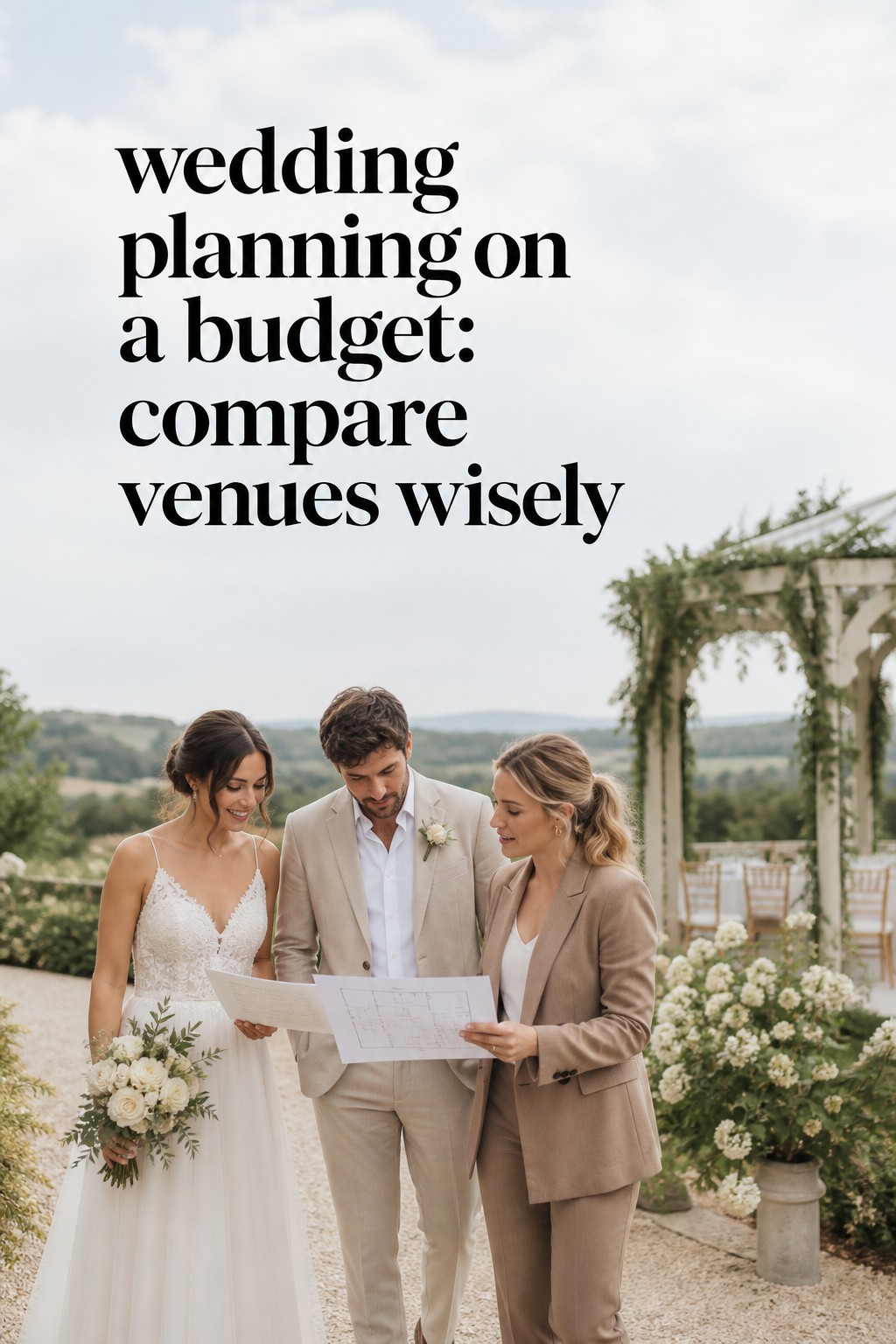
Look first at choices that affect many other costs. A Friday, Sunday, weekday, off-season, or daytime celebration may change venue, catering, hotel, transportation, and photography prices. A venue with tables, chairs, lighting, a getting-ready room, setup time, and a practical rain plan may be better value than a cheaper empty space. Food can feel generous with a focused menu, brunch, lunch, substantial cocktail service, or family-style meal. Seasonal flowers, reusable decor, sample-sale attire, focused stationery, and carefully chosen DIY projects can reduce cost without removing personality. In practice, write this decision down, attach the relevant quote or deadline, and review it with your partner before committing. A calm process protects both the celebration and the future you are planning together.
Look first at choices that affect many other costs. A Friday, Sunday, weekday, off-season, or daytime celebration may change venue, catering, hotel, transportation, and photography prices. A venue with tables, chairs, lighting, a getting-ready room, setup time, and a practical rain plan may be better value than a cheaper empty space. Food can feel generous with a focused menu, brunch, lunch, substantial cocktail service, or family-style meal. Seasonal flowers, reusable decor, sample-sale attire, focused stationery, and carefully chosen DIY projects can reduce cost without removing personality. In practice, write this decision down, attach the relevant quote or deadline, and review it with your partner before committing. A calm process protects both the celebration and the future you are planning together.
Look first at choices that affect many other costs. A Friday, Sunday, weekday, off-season, or daytime celebration may change venue, catering, hotel, transportation, and photography prices. A venue with tables, chairs, lighting, a getting-ready room, setup time, and a practical rain plan may be better value than a cheaper empty space. Food can feel generous with a focused menu, brunch, lunch, substantial cocktail service, or family-style meal. Seasonal flowers, reusable decor, sample-sale attire, focused stationery, and carefully chosen DIY projects can reduce cost without removing personality. In practice, write this decision down, attach the relevant quote or deadline, and review it with your partner before committing. A calm process protects both the celebration and the future you are planning together.
Look first at choices that affect many other costs. A Friday, Sunday, weekday, off-season, or daytime celebration may change venue, catering, hotel, transportation, and photography prices. A venue with tables, chairs, lighting, a getting-ready room, setup time, and a practical rain plan may be better value than a cheaper empty space. Food can feel generous with a focused menu, brunch, lunch, substantial cocktail service, or family-style meal. Seasonal flowers, reusable decor, sample-sale attire, focused stationery, and carefully chosen DIY projects can reduce cost without removing personality. In practice, write this decision down, attach the relevant quote or deadline, and review it with your partner before committing. A calm process protects both the celebration and the future you are planning together.
Look first at choices that affect many other costs. A Friday, Sunday, weekday, off-season, or daytime celebration may change venue, catering, hotel, transportation, and photography prices. A venue with tables, chairs, lighting, a getting-ready room, setup time, and a practical rain plan may be better value than a cheaper empty space. Food can feel generous with a focused menu, brunch, lunch, substantial cocktail service, or family-style meal. Seasonal flowers, reusable decor, sample-sale attire, focused stationery, and carefully chosen DIY projects can reduce cost without removing personality. In practice, write this decision down, attach the relevant quote or deadline, and review it with your partner before committing. A calm process protects both the celebration and the future you are planning together.
Look first at choices that affect many other costs. A Friday, Sunday, weekday, off-season, or daytime celebration may change venue, catering, hotel, transportation, and photography prices. A venue with tables, chairs, lighting, a getting-ready room, setup time, and a practical rain plan may be better value than a cheaper empty space. Food can feel generous with a focused menu, brunch, lunch, substantial cocktail service, or family-style meal. Seasonal flowers, reusable decor, sample-sale attire, focused stationery, and carefully chosen DIY projects can reduce cost without removing personality. In practice, write this decision down, attach the relevant quote or deadline, and review it with your partner before committing. A calm process protects both the celebration and the future you are planning together.
Turn the budget into a shared planning system
Choose one shared source of truth for the budget, guest list, vendor directory, payment calendar, decision log, and wedding-day handoff. Give every task an owner and due date. Review the total and the next four payments weekly. Record deposits, balances, taxes, service charges, tip assumptions, questions, and answers. Use an upgrade rule: ask what changes for guests, how many people benefit, whether it supports a priority, and which funded category pays for it. A shared planning resource can help when it makes these details easier to review together. In practice, write this decision down, attach the relevant quote or deadline, and review it with your partner before committing. A calm process protects both the celebration and the future you are planning together.
Choose one shared source of truth for the budget, guest list, vendor directory, payment calendar, decision log, and wedding-day handoff. Give every task an owner and due date. Review the total and the next four payments weekly. Record deposits, balances, taxes, service charges, tip assumptions, questions, and answers. Use an upgrade rule: ask what changes for guests, how many people benefit, whether it supports a priority, and which funded category pays for it. A shared planning resource can help when it makes these details easier to review together. In practice, write this decision down, attach the relevant quote or deadline, and review it with your partner before committing. A calm process protects both the celebration and the future you are planning together.
Choose one shared source of truth for the budget, guest list, vendor directory, payment calendar, decision log, and wedding-day handoff. Give every task an owner and due date. Review the total and the next four payments weekly. Record deposits, balances, taxes, service charges, tip assumptions, questions, and answers. Use an upgrade rule: ask what changes for guests, how many people benefit, whether it supports a priority, and which funded category pays for it. A shared planning resource can help when it makes these details easier to review together. In practice, write this decision down, attach the relevant quote or deadline, and review it with your partner before committing. A calm process protects both the celebration and the future you are planning together.
Choose one shared source of truth for the budget, guest list, vendor directory, payment calendar, decision log, and wedding-day handoff. Give every task an owner and due date. Review the total and the next four payments weekly. Record deposits, balances, taxes, service charges, tip assumptions, questions, and answers. Use an upgrade rule: ask what changes for guests, how many people benefit, whether it supports a priority, and which funded category pays for it. A shared planning resource can help when it makes these details easier to review together. In practice, write this decision down, attach the relevant quote or deadline, and review it with your partner before committing. A calm process protects both the celebration and the future you are planning together.
Choose one shared source of truth for the budget, guest list, vendor directory, payment calendar, decision log, and wedding-day handoff. Give every task an owner and due date. Review the total and the next four payments weekly. Record deposits, balances, taxes, service charges, tip assumptions, questions, and answers. Use an upgrade rule: ask what changes for guests, how many people benefit, whether it supports a priority, and which funded category pays for it. A shared planning resource can help when it makes these details easier to review together. In practice, write this decision down, attach the relevant quote or deadline, and review it with your partner before committing. A calm process protects both the celebration and the future you are planning together.
Choose one shared source of truth for the budget, guest list, vendor directory, payment calendar, decision log, and wedding-day handoff. Give every task an owner and due date. Review the total and the next four payments weekly. Record deposits, balances, taxes, service charges, tip assumptions, questions, and answers. Use an upgrade rule: ask what changes for guests, how many people benefit, whether it supports a priority, and which funded category pays for it. A shared planning resource can help when it makes these details easier to review together. In practice, write this decision down, attach the relevant quote or deadline, and review it with your partner before committing. A calm process protects both the celebration and the future you are planning together.
Common mistakes that quietly break a wedding budget
Do not book before the guest count and total ceiling are reasonably clear. Do not compare base prices when proposals exclude taxes, rentals, staffing, delivery, setup, breakdown, overtime, or payment dates. Treat family contributions as specific, not unlimited, and discuss expectations before counting them. Do not underestimate the cost of managing deliveries, vendor questions, flowers, signage, and cleanup. Do not skip the contingency reserve. Success is not including everything. Guests remember connection, comfort, clear logistics, good food, and the chance to celebrate with you. In practice, write this decision down, attach the relevant quote or deadline, and review it with your partner before committing. A calm process protects both the celebration and the future you are planning together.
Do not book before the guest count and total ceiling are reasonably clear. Do not compare base prices when proposals exclude taxes, rentals, staffing, delivery, setup, breakdown, overtime, or payment dates. Treat family contributions as specific, not unlimited, and discuss expectations before counting them. Do not underestimate the cost of managing deliveries, vendor questions, flowers, signage, and cleanup. Do not skip the contingency reserve. Success is not including everything. Guests remember connection, comfort, clear logistics, good food, and the chance to celebrate with you. In practice, write this decision down, attach the relevant quote or deadline, and review it with your partner before committing. A calm process protects both the celebration and the future you are planning together.
Do not book before the guest count and total ceiling are reasonably clear. Do not compare base prices when proposals exclude taxes, rentals, staffing, delivery, setup, breakdown, overtime, or payment dates. Treat family contributions as specific, not unlimited, and discuss expectations before counting them. Do not underestimate the cost of managing deliveries, vendor questions, flowers, signage, and cleanup. Do not skip the contingency reserve. Success is not including everything. Guests remember connection, comfort, clear logistics, good food, and the chance to celebrate with you. In practice, write this decision down, attach the relevant quote or deadline, and review it with your partner before committing. A calm process protects both the celebration and the future you are planning together.
Do not book before the guest count and total ceiling are reasonably clear. Do not compare base prices when proposals exclude taxes, rentals, staffing, delivery, setup, breakdown, overtime, or payment dates. Treat family contributions as specific, not unlimited, and discuss expectations before counting them. Do not underestimate the cost of managing deliveries, vendor questions, flowers, signage, and cleanup. Do not skip the contingency reserve. Success is not including everything. Guests remember connection, comfort, clear logistics, good food, and the chance to celebrate with you. In practice, write this decision down, attach the relevant quote or deadline, and review it with your partner before committing. A calm process protects both the celebration and the future you are planning together.
Do not book before the guest count and total ceiling are reasonably clear. Do not compare base prices when proposals exclude taxes, rentals, staffing, delivery, setup, breakdown, overtime, or payment dates. Treat family contributions as specific, not unlimited, and discuss expectations before counting them. Do not underestimate the cost of managing deliveries, vendor questions, flowers, signage, and cleanup. Do not skip the contingency reserve. Success is not including everything. Guests remember connection, comfort, clear logistics, good food, and the chance to celebrate with you. In practice, write this decision down, attach the relevant quote or deadline, and review it with your partner before committing. A calm process protects both the celebration and the future you are planning together.
Do not book before the guest count and total ceiling are reasonably clear. Do not compare base prices when proposals exclude taxes, rentals, staffing, delivery, setup, breakdown, overtime, or payment dates. Treat family contributions as specific, not unlimited, and discuss expectations before counting them. Do not underestimate the cost of managing deliveries, vendor questions, flowers, signage, and cleanup. Do not skip the contingency reserve. Success is not including everything. Guests remember connection, comfort, clear logistics, good food, and the chance to celebrate with you. In practice, write this decision down, attach the relevant quote or deadline, and review it with your partner before committing. A calm process protects both the celebration and the future you are planning together.

FAQ
What is the first step in wedding planning on a budget?
Set a realistic total spending ceiling based on money you can access without harmful debt. Reserve funds for taxes, tips, alterations, transportation, marriage fees, and unexpected costs. Only then decide the guest count and compare venues.
What percentage of a wedding budget should go to the venue?
There is no single correct percentage because packages and regional prices vary. Price the complete venue experience, including catering, rentals, staffing, service charges, taxes, setup, and cleanup. Protect the categories that matter most and adjust the guest count or format if needed.
How can a couple save money without making the wedding feel cheap?
Save through intentional changes to scale, timing, and format. Consider an off-season or weekday date, a focused menu, useful venue inclusions, seasonal flowers, shorter photography coverage, and a smaller guest list. Keep details that express your relationship and simplify details guests are unlikely to notice.
Is DIY always cheaper for a budget wedding?
No. DIY is cheaper only when materials, tools, storage, transport, labor, setup, and replacement risk still cost less than a vendor. Choose simple, repeatable projects and finish them early. Never rely on the couple to complete a large installation on the wedding day.
How do we handle a wedding budget that starts going over?
Stop adding commitments, identify the exact category and cause of the overage, and return to your protect, adapt, and release lists. Make one specific correction, such as reducing the guest count, removing an add-on, changing the menu, or reallocating a lower-priority category.
Should we hire a wedding planner on a limited budget?
Consider the problem you need solved instead of assuming you need a full package. A consultation, vendor-management session, or day-of coordinator may be enough. Include the cost in the budget and compare it with the time, stress, and overtime risk the service could remove.
Leave a Reply