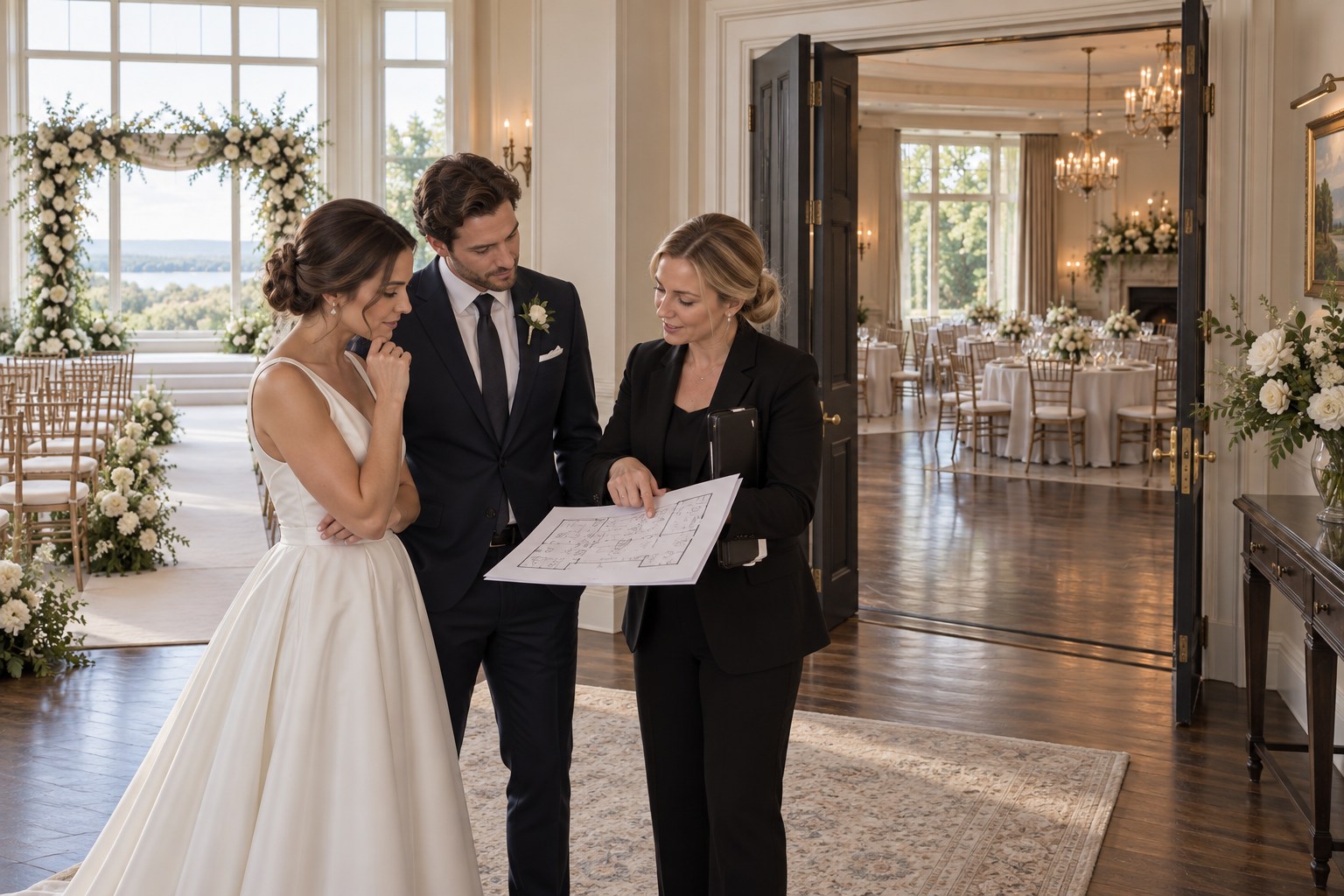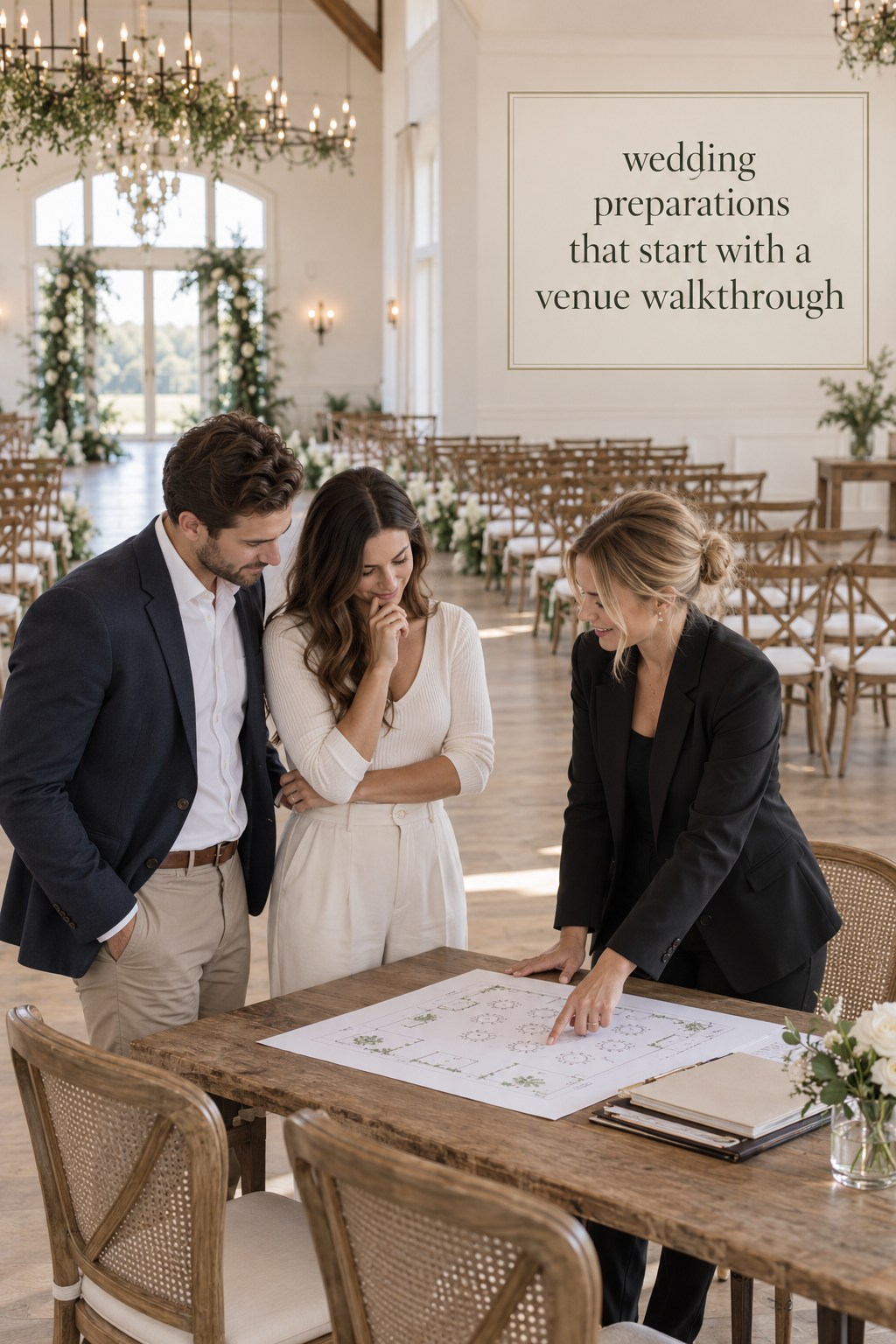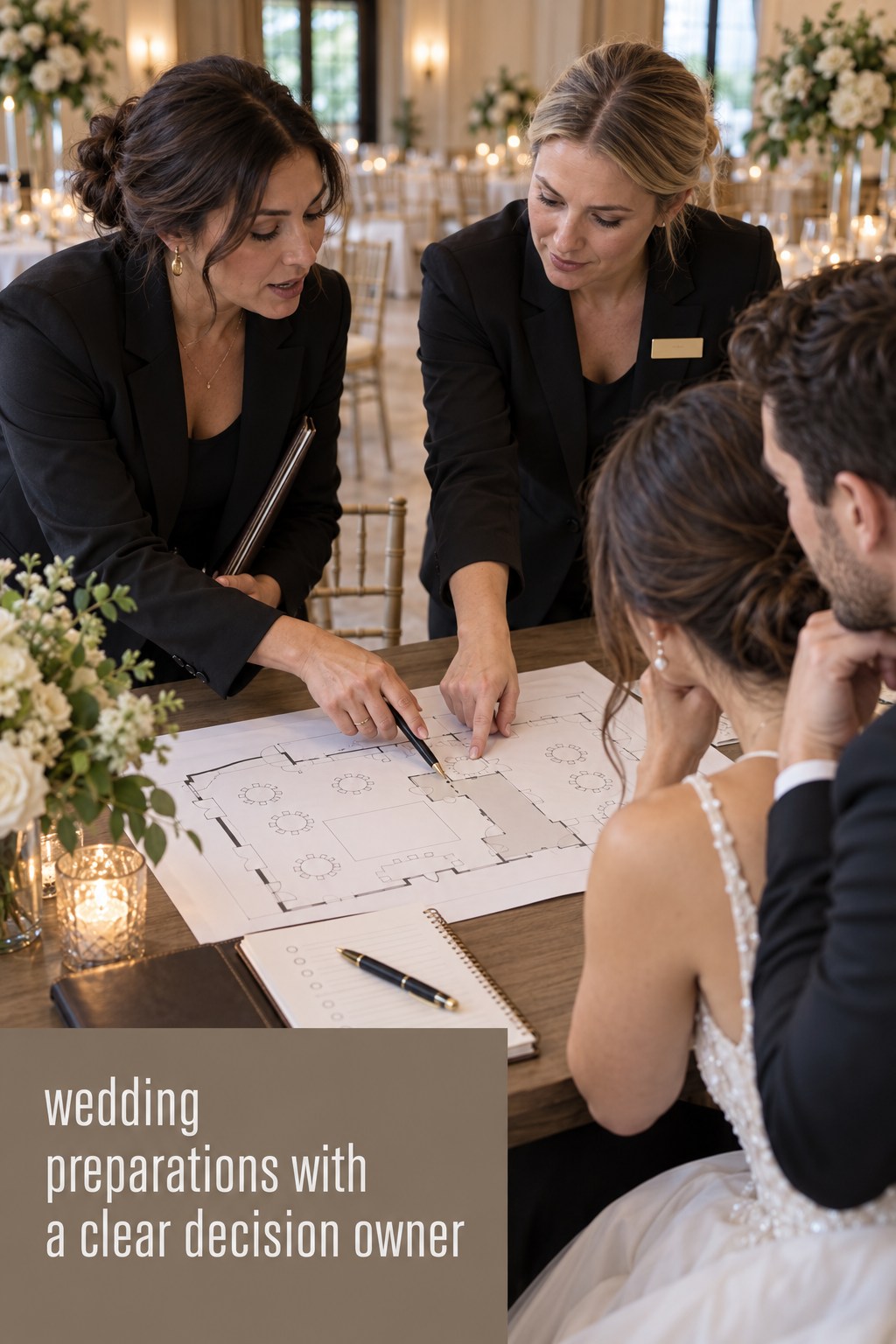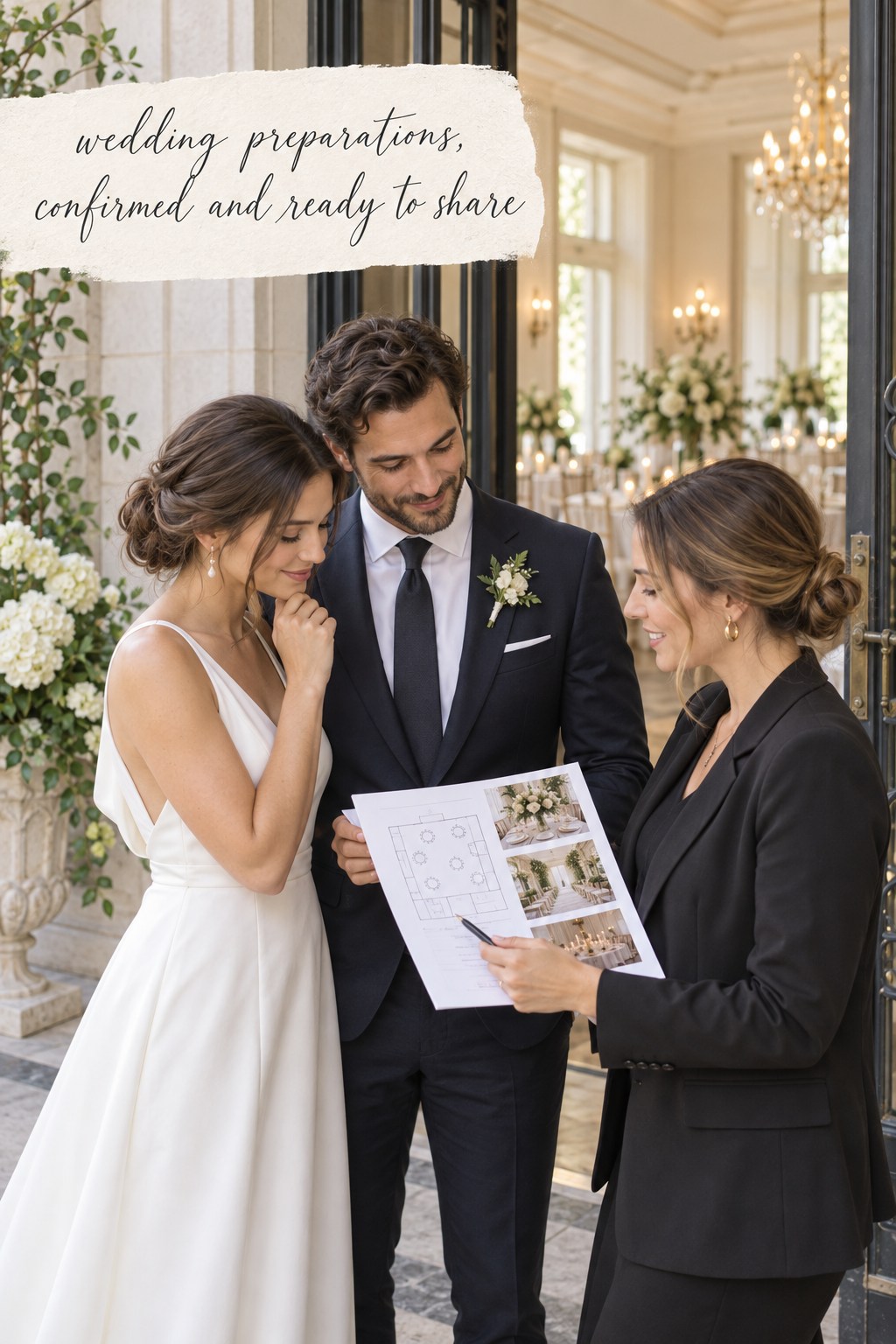
Hiring a wedding planner can leave you with an unexpected question: why are we still unsure what happens next? You may have sent inspiration, answered emails, and attended meetings, yet one decision keeps circling. Before sending another broad request for an update, identify the exchange that has stalled. A missing answer, an unclear request, and an approval nobody has given need different responses.
This guide is for couples who have already hired a professional and want the working relationship to feel clearer. It offers a practical way to diagnose communication friction, ask useful questions, and address missed expectations. The examples are illustrative, and the suggested process should fit the service you agreed to. You do not need to redesign your whole wedding plan to improve the next conversation.

Identify Where the Conversation With Your Wedding Planner Is Stuck
Begin with one live issue rather than a general feeling that planning is behind. Choose something you can describe without interpreting anyone’s motives: the music options have not arrived, a design question has no recommendation, or the planner is waiting for your answer about a reception choice. Write down the most recent exchange and what you expected to happen afterward. That gives you a starting point both sides can discuss.
For example, “We have not received the entertainment shortlist we expected after Tuesday’s call” is more useful than “Nothing is happening.” The first sentence names an observable gap. The second bundles every worry together and invites a defensive conversation about how much work has already been done. You can acknowledge uncertainty while still asking directly about an outstanding commitment.
Separate a quiet phase from a missed commitment
A period with few messages does not tell you, by itself, whether work has stopped. Vogue’s interviews with working planners describe client meetings alongside research, design, calls, and site work. Those accounts illustrate different working rhythms, rather than a standard every planner follows. Ask what is underway and when you should expect the next useful update.
There is a separate issue when an agreed update date passes without an answer. In that case, refer to the commitment and request a revised update. Avoid treating a missed date as proof of everything you fear, but do not turn an explicit promise into a vague preference either. You are looking for a reliable account of what happened and what will happen next.
Look for one of four specific blocks
- The request is too broad: “Can you help with the reception?” does not say which question needs an answer.
- The planner needs information: a recommendation depends on a guest estimate, a preference, or a constraint you have not supplied.
- The couple has not approved a choice: a suggested option is still being treated as a discussion.
- The agreed communication has failed: an update or answer has not arrived through the channel and timing you settled on.
These categories are prompts for a conversation, not labels for assigning blame. More than one can apply. A planner may have asked an unclear approval question, while the couple responded with new ideas rather than a decision. Describe both parts if needed. The useful next step is to make the missing exchange explicit, not to win an argument about who caused the delay.
Also check whether the work you are waiting for is part of the service you booked. Zola’s planner directory FAQ describes differing levels of support. That is a reason to check your own agreement before assuming that every research task or vendor conversation is covered. If the boundary is unclear, ask the planner to explain who should carry the request forward.
If you are still deciding which professional role to hire, the separate guide to matching a wedding event planner to the work addresses that earlier choice. Here, the goal is narrower: find the precise point where your existing collaboration needs a clearer exchange.
Make Requests Your Planner Can Answer or Act On
A useful request names the topic and the kind of response you need. Are you asking for professional advice, a factual answer, a change to an approved plan, or action on a decision you have already made? Those requests can look similar in a long email, especially when they are mixed with photographs and several unrelated questions. Put the main ask near the beginning.
Ask for a recommendation when you need judgment
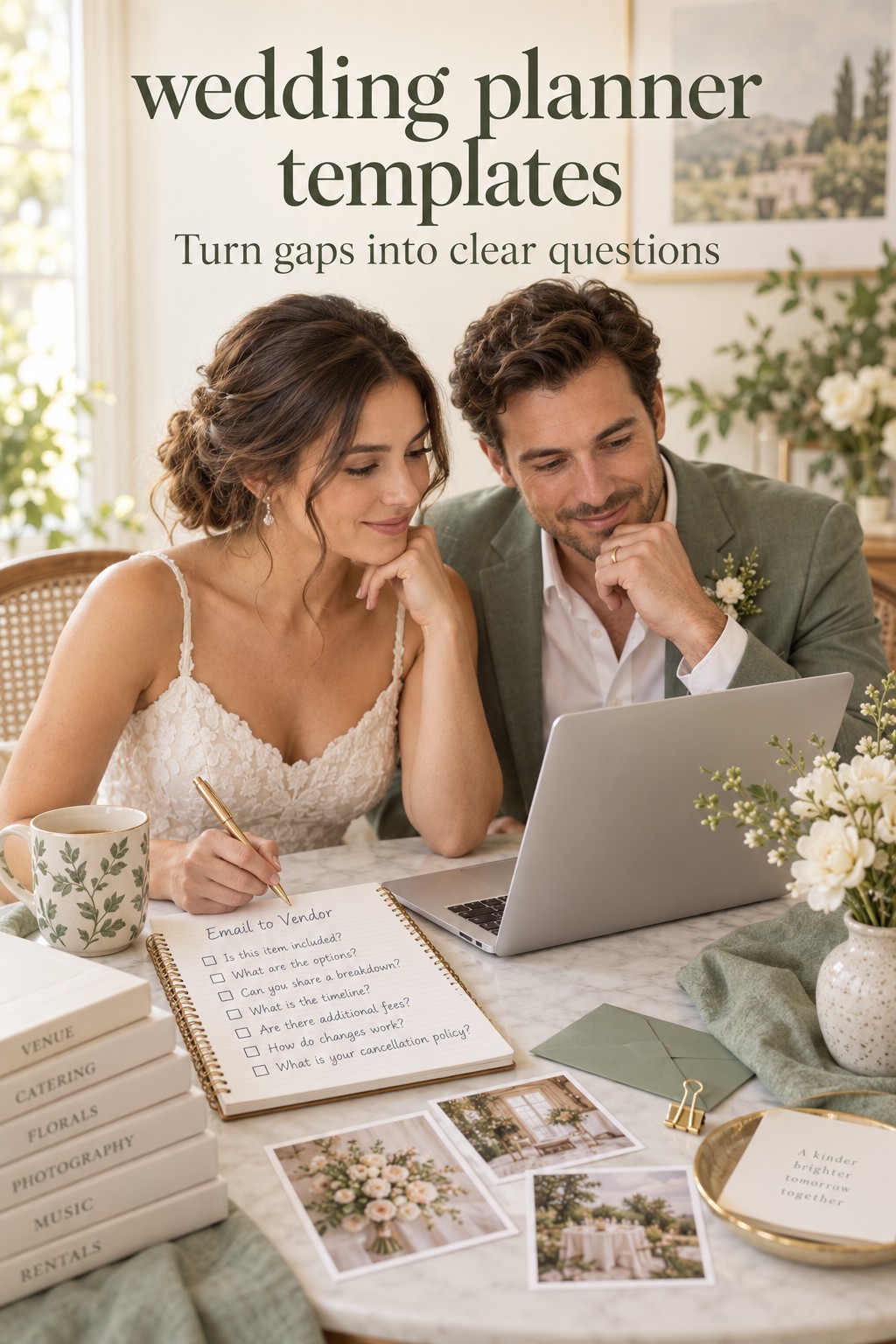
Instead of sending ten photographs with “Thoughts?”, explain what you want the planner to help you choose. You might say, “We like the relaxed feeling in these two reception examples. Which direction fits our room and the priorities we discussed, and what would you want us to consider before choosing?” This gives the professional a question to apply judgment to.
You do not have to arrive with all the answers. If you feel stuck because the options are unfamiliar, say that clearly. “We cannot tell what makes these entertainment options different. Could you explain the trade-offs you think matter for our reception?” asks for interpretation, rather than another list. It also lets the planner correct a misunderstanding before you treat a suggestion as an endorsement.
Name the missing fact when you need information
An information request should identify the detail and why it matters. For instance, “We are trying to choose between two ceremony arrangements. Who can confirm which setup is allowed in the space?” is clearer than asking whether the ceremony plan is fine. You are not asking the planner to guess a venue rule; you are asking for the route to an answer.
If a real vendor deadline affects the question, include the date supplied by that vendor and the document or message it came from. Do not invent urgency to get a faster reply. If the deadline is uncertain, ask the planner to help confirm it. A specific dependency is useful information; a subject line saying “URGENT” cannot explain the missing fact on its own.
Make approval unmistakable
If you are ready to choose, state exactly what you are approving and what remains outside that approval. “We approve the reception layout discussed in the latest call; we are still considering the lounge arrangement” is clearer than “Looks good.” Identify the version if several have been shared. Approval should be understandable to the person who needs to use it.
Keep approval of a concept separate from permission to make commitments. Agree with your planner on which decisions you make yourselves and which actions they may take within the service. If you are authorizing a particular next step, describe it explicitly. A friendly reaction to an image should not have to carry the meaning of a purchasing instruction.
When both partners need to agree, discuss the choice together before sending conflicting replies. One partner can communicate the shared answer, provided that arrangement works for both of you. If you disagree, tell the planner where the disagreement lies and what kind of help you want. Asking for a recommendation is different from asking the professional to choose whose preference wins.
Explain a change in terms of the outcome
When revising a choice, lead with what you want to improve. “We want the reception to feel less formal; please help us understand what changing the seating approach would affect” gives the planner something concrete to assess. Sending a new picture with no explanation can leave them unsure whether it replaces the plan or is simply another reference.
Ask what would need to be reviewed before the change could proceed. The planner may need to consult another supplier or clarify the scope of additional work. Request that assessment before treating the idea as settled. You can explore a possibility without implying that you have already approved its consequences. Keep the question small enough that you can evaluate the reply.
Choose one place for the actionable request, using the channel you have agreed with the planner. You can still enjoy collecting inspiration elsewhere. When a photograph starts a real planning conversation, bring the relevant image and question into the working exchange. This helps the person responding understand which message needs attention and which is background inspiration.

Use a Focused Review to Unblock the Work
A review with your planner should have a clear purpose beyond receiving reassurance. Choose the few issues where a conversation will change what happens next. A written answer may be enough for a simple fact; a discussion is more useful when an answer creates another choice. Ask what preparation will make the meeting productive, and respect the meeting arrangements within your service.
You can suggest a compact agenda: the decision we need to make, the information still missing, and the next exchange we expect afterward. There is no required meeting length or weekly schedule. The point is to agree on a rhythm that fits the actual work, rather than assuming that more calls automatically mean better progress.
Work through two blocked choices, not the whole wedding
Consider an illustrative couple with two concerns. They have not chosen reception music because the shortlist feels difficult to compare. They also keep sending fresh floral photographs because neither partner has explained what they like about the current proposal. Their planner receives activity, but neither topic has a usable approval. A review can address these different blocks separately.
For music, the couple asks the planner to explain how the shortlisted options differ in the ways that matter to their celebration. They bring their actual preferences: they want conversation during dinner and a lively later reception. They ask which unanswered vendor questions would affect the recommendation. The outcome they want is a clearer comparison, followed by their own choice.
For flowers, the couple first agrees that they like the proposal’s color direction but want a less structured feeling. They tell the planner this, rather than presenting the new photos as a complete replacement. They ask whether a revision could address that preference and what would need to be reconsidered. The outcome is a defined revision request, not an unspoken rejection of everything already discussed.
The meeting can then end with two distinct expectations. The couple will provide a shared music preference after the missing explanation, while the planner will clarify the next design response within the agreed service. Nobody has to pretend both topics are finished. Progress means the next exchange is intelligible to the person who owes it.
Ask about what is waiting on you
Include a direct question: “What do you need from us to move the current work forward?” It gives the planner room to identify a missing approval or answer that might be easy to overlook in your own messages. Listen for the actual input needed. If the request is too broad, ask which detail needs a decision now and which can remain open.
If you cannot answer yet, explain why. Perhaps you need to talk with your partner, confirm a family arrangement, or understand the options more clearly. Agree on a realistic next exchange rather than promising an immediate reply you cannot give. The planner needs to know whether to provide more guidance, wait for your decision, or help identify another person who can confirm a fact.
Keep your personal preparation proportionate. If you use a planning resource such as The Wedding Command Center, let it support the couple’s own review of the questions they want to bring. Ask the planner which materials they actually need, and use their established process for the collaboration. A resource is useful here when it helps you arrive with clearer questions, rather than another bundle of information to maintain.
End with the next communication, not a vague promise
Before closing the discussion, say what you believe the next exchange will be. For example, “We will send our joint answer about music through the agreed email thread, and you will let us know what is needed for the floral revision.” Ask whether that matches the planner’s understanding. Add an update date only when you have actually agreed to one.
A brief recap can preserve the conversation without turning it into a separate administration project. Record the outstanding question and the expected reply in the system you already use. Avoid copying the entire meeting into several places. You need enough context to follow up accurately, especially if a later response addresses only part of the question.
Reset Communication When the Agreed Process Fails
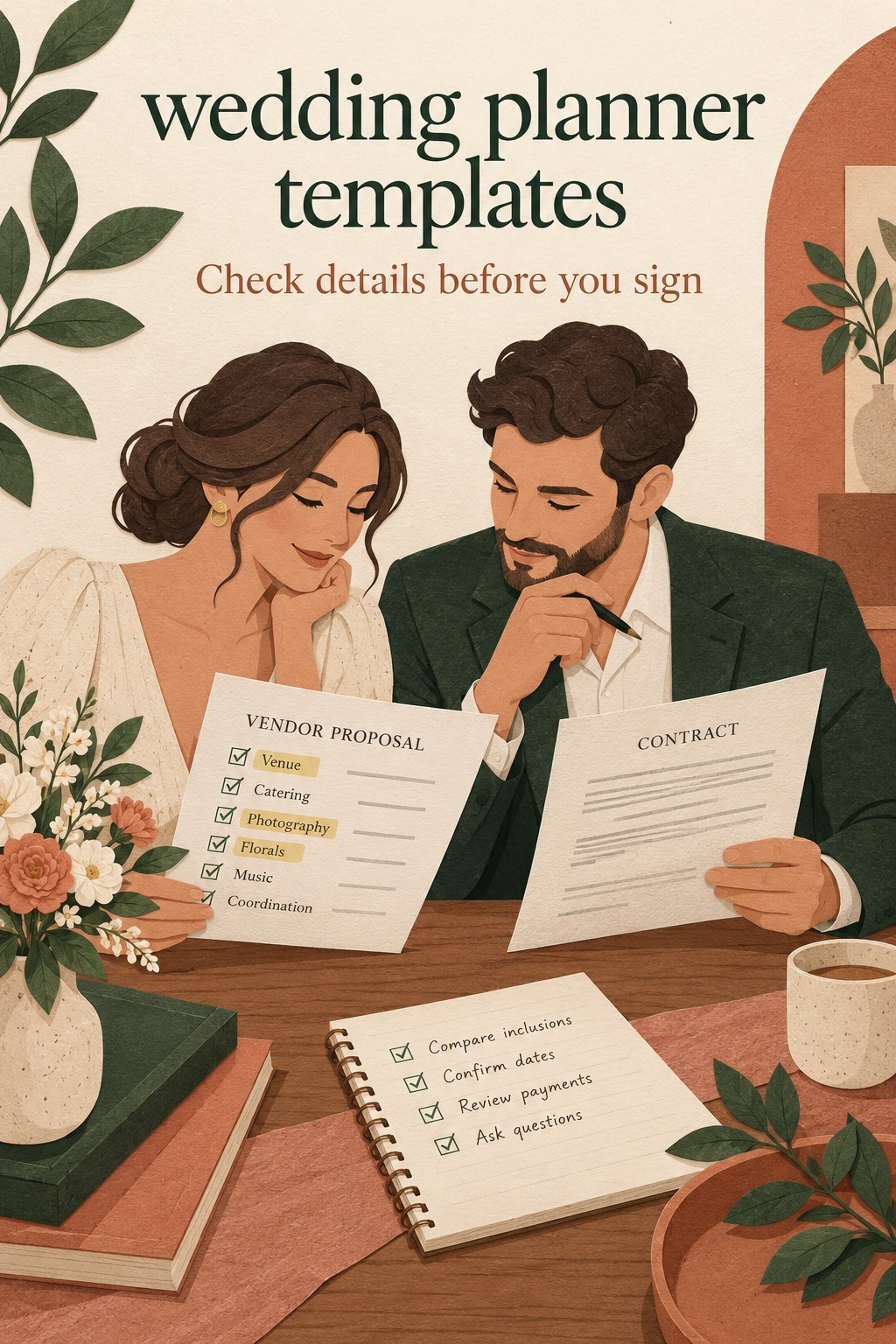
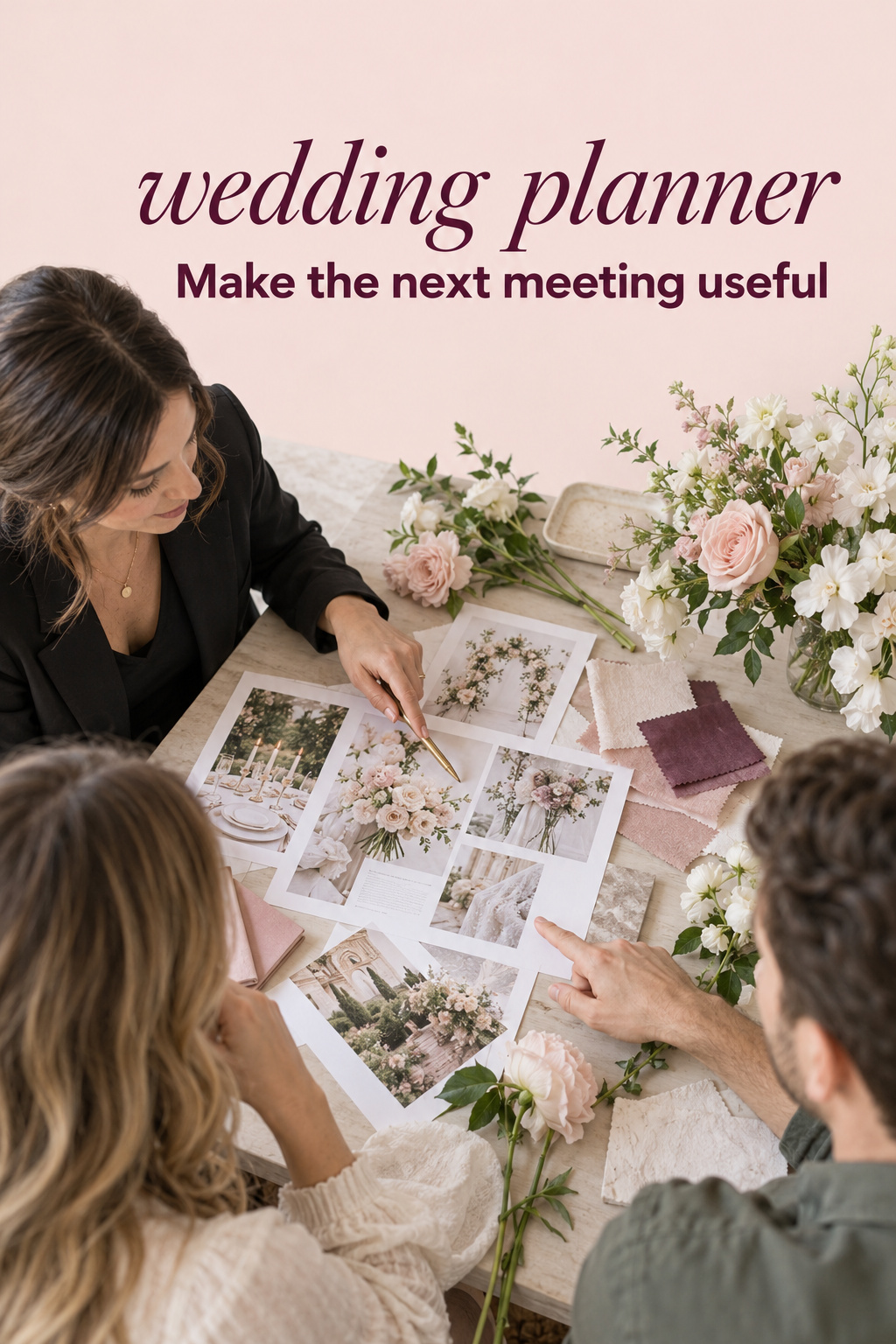
If clearer requests have not resolved the friction, have a conversation about the working process itself. Start with the specific expectation that is not being met. “We agreed to receive a status update before the next design discussion, and we have not received it” leaves less room for confusion than saying the relationship feels wrong without an example.
Describe the practical effect on you. You may be unable to give an approval, uncertain whether to contact a vendor yourselves, or unsure which discussion is current. You can also say that the uncertainty is making planning difficult to enjoy. Keep that effect separate from a claim about the planner’s intentions. The aim is to establish an approach you can both rely on.
Agree on a repair you can observe
Ask for a workable repair rather than an open-ended assurance that communication will improve. That might mean naming the contact for outstanding questions, confirming where requests belong, and agreeing on the next update about a live issue. If a response takes longer than expected, ask how you will be told. These are proposals to settle together, not universal rules to impose on every planning service.
For example, a couple might say, “Could we confirm who is handling the outstanding design answer and when you can update us? If the answer is still pending then, we would appreciate knowing that and the next step.” The planner can respond with the actual status and a realistic commitment. Both sides can then tell whether the repair occurred.
Allow space for the explanation, including a misunderstanding about the service or a different expectation about updates. An explanation may help you understand the gap, but the conversation should still establish what happens next. If the proposed process does not meet your needs, say which part remains difficult. Accepting a vague arrangement simply to end an uncomfortable call leaves the uncertainty intact.
Keep an unresolved service concern separate
Sometimes the issue is larger than an email habit. You may still lack work that you understood to be included, or you may no longer agree on how the collaboration should operate. Identify the relevant agreement and request a discussion through the business’s stated contact process. Keep your account factual and preserve the exchanges that show what was requested and promised.
Do not let this practical communication method stand in for advice about contract rights, payments, or ending a service. Those questions need their own review of the actual circumstances. For the planning conversation, your immediate aim is to know what support remains available, what information you need, and which live decisions require attention while the concern is addressed.
If your planner is responding but the two of you still feel unheard, test one request together. Ask the planner to describe the outcome they believe you want, then explain any difference. Perhaps “relaxed” meant an informal guest experience to you but a visual style to them. Clarifying that difference can give you a better basis for the next response than adding more inspiration images.
Once a repair is agreed, assess it through the next relevant exchange. Did you receive the answer you needed? Was a pending question identified clearly? Did the communication happen as agreed? You do not need to decide whether the whole relationship is perfect. You need to see whether the specific change is making the collaboration usable again.
Sources and Methodology
This guide combines original communication advice with source context on professional planning work and service variation from the Vogue interviews and Zola directory FAQ linked above. Its sample requests and scenarios are editorial examples, not reported client experiences. Research distinguished professional-service results from paper planners, online tools, and entertainment pages. No universal response time, meeting frequency, price, or package inclusion is assumed.

FAQ
How do we work effectively with a wedding planner after hiring?
Use the agreed communication channel, name the kind of response you need, and make shared approvals explicit. Ask what input the planner needs from you and confirm the next useful exchange. Fit the process to the service you booked rather than creating a second workflow the planner has not agreed to use.
What should we do if our wedding planner has not replied?
Check the agreed channel and response expectations, then follow up on the specific unanswered request. Include any real deadline and ask for a status update. If an agreed commitment has been missed, address that directly and discuss a realistic repair through the business’s established contact process.
How often should we meet with our wedding planner?
Agree on a rhythm that fits your service and the live work. Some questions can be resolved in writing; others benefit from a discussion. Do not infer a required frequency from another couple’s experience. Ask when the next review will be useful and what preparation the planner wants.
How can we tell whether the planner is waiting for our approval?
Ask which choice needs your answer and whether a previous message was interpreted as a question, preference, or approval. Then give a clear joint response that identifies the option or version. If you are not ready, explain what information or discussion you still need.
Can we send new ideas after a plan has been approved?
You can ask to explore a change, but explain the outcome you want and distinguish exploration from approval. Ask the planner what would need to be reviewed before you proceed. A new inspiration image does not communicate the scope of a requested revision by itself.
Should both partners email the wedding planner separately?
Agree on an approach both partners and the planner can follow. Separate replies can work when their meaning is clear, but conflicting answers need to be resolved by the couple. One partner can send a shared decision without excluding the other from the discussion.
How do we raise a concern without blaming our planner?
Name an observable gap, explain how it affects a live decision, and request a specific next exchange. Listen to the explanation while clarifying what you need going forward. A respectful conversation can still be direct about missed expectations and unresolved concerns.