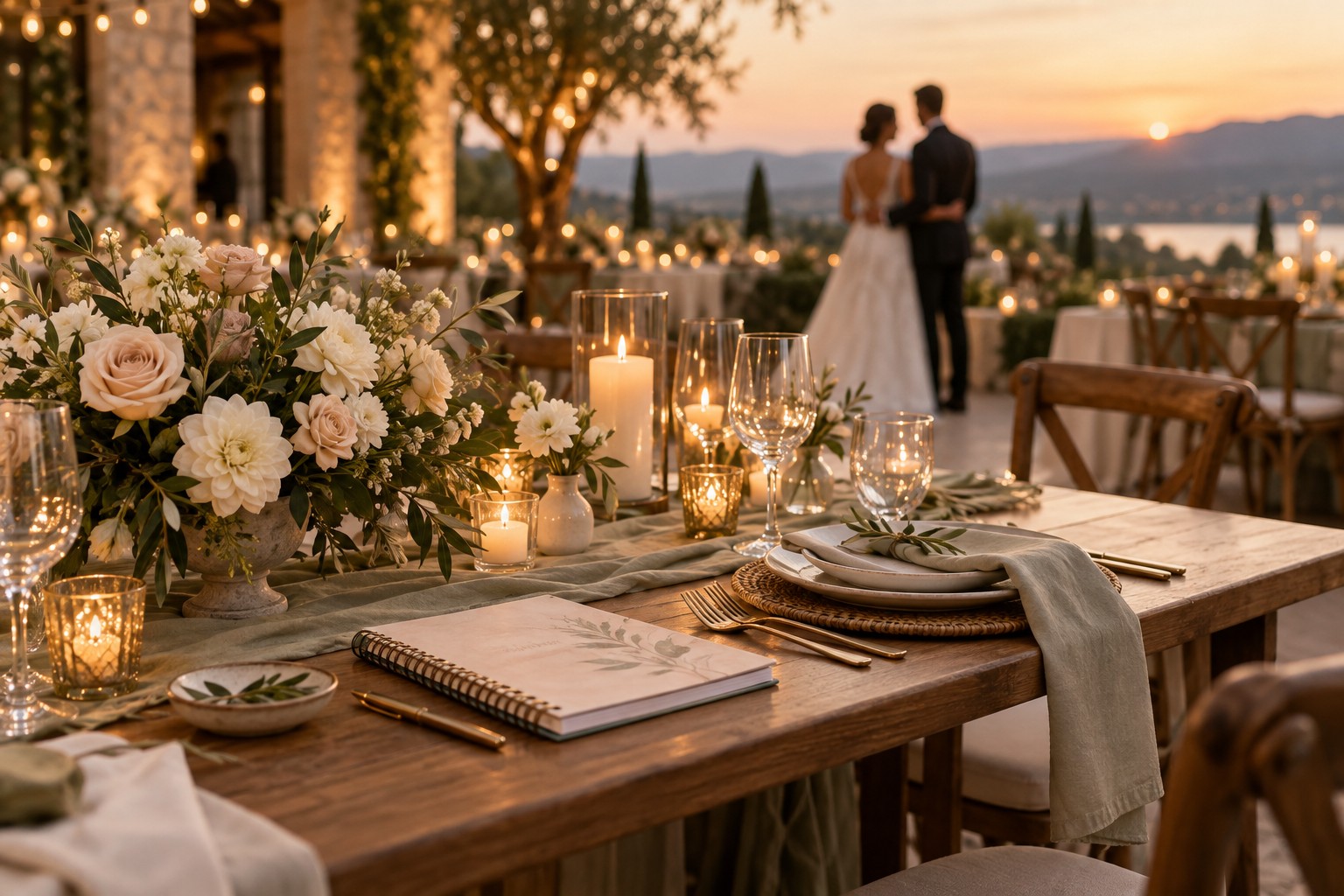
Planning a wedding can feel like opening twenty browser tabs at once. One tab holds venue inspiration, another holds a budget estimate, and a third contains a message from a relative about the guest list. Meanwhile, every decision seems to create three more decisions. The good news is that wedding planning is becoming more manageable when couples stop treating it as a race to collect ideas and start treating it as a connected system.
The most useful shift is to separate what is genuinely changing in the wedding world from what will remain important no matter the season. Couples want celebrations that feel personal, but they also want realistic spending, clear communication, comfortable guests, and a day that does not depend on one person remembering every detail. That combination calls for thoughtful planning rather than endless trend chasing.
This guide explains the planning choices that matter most now, why their order affects everything that follows, and how to build a system flexible enough for a full-service celebration, a smaller gathering, or a mostly DIY wedding. Use it as a way to decide what deserves your attention first.
What is changing in wedding planning
Wedding planning is moving toward more intentional personalization. That does not necessarily mean adding more décor, more entertainment, or more elaborate stationery. It means deciding which parts of the day should carry the couple’s personality and allowing the rest to stay simple. A favorite meal, a meaningful ceremony structure, a carefully chosen playlist, or a thoughtful welcome for out-of-town guests can say more than a room filled with unrelated details.
At the same time, couples are becoming more realistic about what a wedding requires financially. A useful budget is not a single number copied from a planning article. It is a working range that includes venue and catering, taxes, service charges, gratuities, attire, beauty, stationery, transportation, hotel needs, marriage-license costs, rentals, and a cushion for changes. The final amount depends on region, guest count, season, and the experience you want to create.
Another important change is the rise of one shared planning system. A spreadsheet can be enough. A planning platform can be helpful. A shared folder with a clear naming convention can work too. The tool matters less than the habit: every quote, contract, payment, deadline, guest note, and open question should have a home that both partners can access.
- Personalization is becoming more selective: couples are investing in a few meaningful experiences instead of decorating every surface.
- Budgets are becoming more transparent: couples are discussing contributions, limits, and priorities before signing contracts.
- Guest experience is part of design: transportation, food timing, seating comfort, sound, shade, and accessibility shape how the day feels.
- Planning is more collaborative: partners are sharing ownership instead of assigning one person the role of project manager.
- Flexibility matters more than perfection: a strong plan includes alternatives for weather, late RSVPs, vendor timing, and family changes.
These changes do not mean that traditional choices are outdated. They simply make it easier to ask whether a choice supports the celebration you actually want. A trend is useful when it solves a planning problem, improves the guest experience, or helps the day feel more like you. It is less useful when it adds cost, labor, or stress without a clear benefit.
Why the order of your decisions matters
Many planning frustrations begin with a decision made too early. Couples tour venues before estimating their guest range, choose a date before checking family realities, or fall in love with a design concept before learning what the venue includes. None of these choices is automatically wrong, but each can force expensive changes later. Planning a wedding becomes calmer when you make decisions in a sequence that allows one answer to clarify the next.
Start with a shared vision conversation. Do you want a lively dinner party, a formal evening, a relaxed outdoor gathering, a city celebration, or a weekend that brings people together from different places? You do not need a final color palette. You need language for the experience. Ask what you want guests to remember, what you want to feel during the day, and which two or three elements would make the celebration worthwhile even if other details changed.
Next, define priorities. One partner may care most about food while the other cares about photography, music, or a calm ceremony. Write those priorities down before dividing the budget. This is not a contest to determine whose preference wins. It is a way to make trade-offs visible. If the meal is a top priority, you might reduce the number of decorative installations. If live music matters most, you might choose a simpler floral plan.
Then create a rough guest range rather than pretending you know the final count. The difference between 60 and 120 guests affects venue capacity, catering, rentals, transportation, invitations, hotel needs, and the amount of time you can spend with each person. A range helps you compare options honestly. It also gives you room to refine the list without rebuilding the entire plan.
With priorities and guest range in view, build an all-in budget. Identify who is contributing, when funds will be available, and which expenses are easy to forget. Ask every vendor whether the quoted price includes taxes, service charges, delivery, setup, overtime, travel, and gratuity. Keep a separate line for contingency. A budget that uses every dollar on the first draft is not a plan; it is a future problem.
- Vision and priorities
- Guest range and travel needs
- All-in budget and contribution expectations
- Season, date flexibility, and ceremony location
- Venue capacity, restrictions, and included services
- High-impact vendors and the order in which to book them
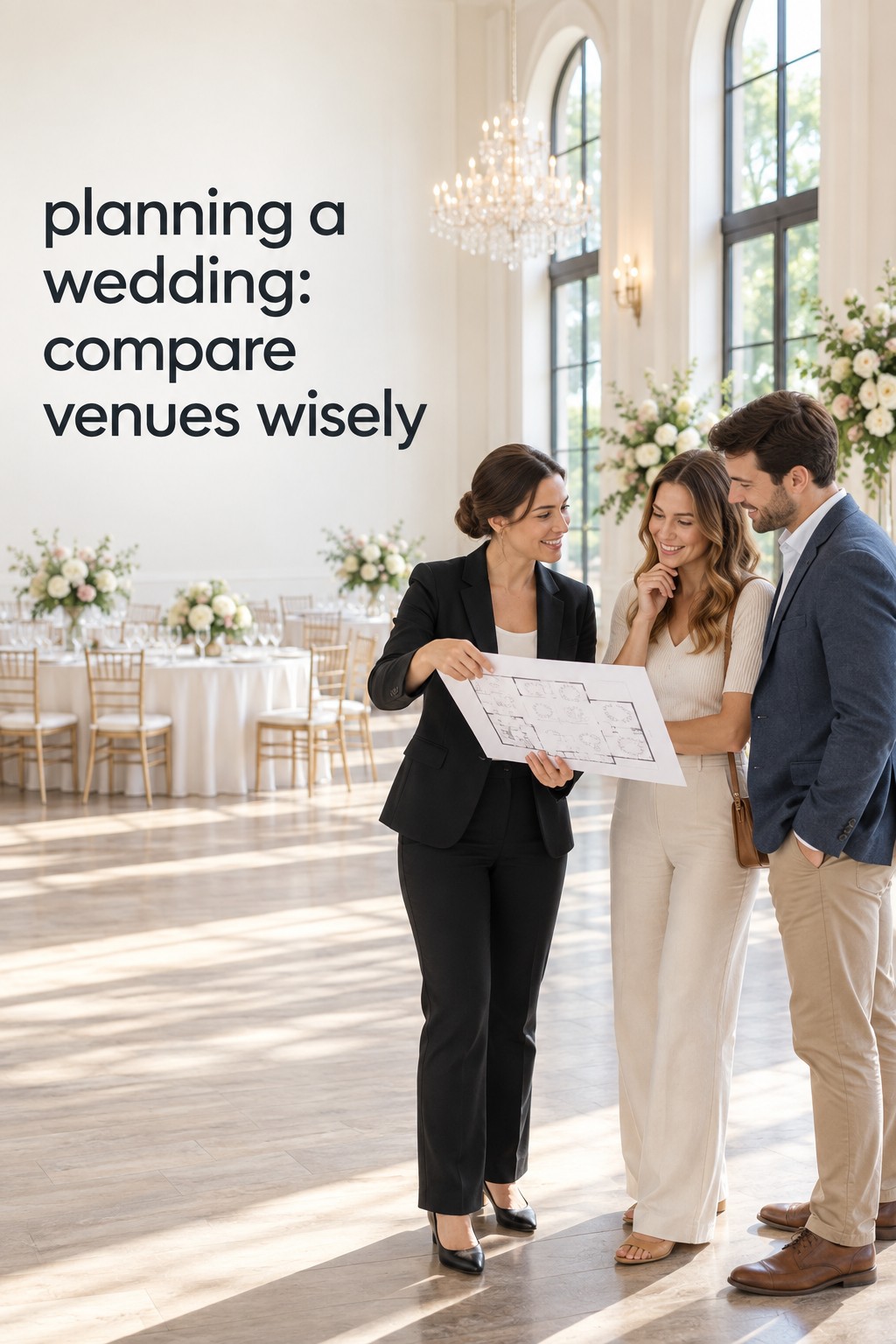
Only after these conversations should you compare venues in detail. Look beyond attractive photos. Ask about rain plans, access times, sound limits, catering rules, vendor requirements, parking, accessibility, restrooms, lighting, cleanup, insurance, and the point person for the day. A venue can be beautiful and still create friction if its policies conflict with your priorities.
This sequence also helps you choose a planner. Full-service planning can be valuable when you want support from the beginning, have a complex guest experience, or simply do not want to manage every vendor conversation. A month-of or day-of coordinator can be a better fit when you enjoy making the decisions but want someone else to run the timeline and solve problems while you celebrate. The important question is not whether a planner is fashionable. It is which responsibilities you want to own.
Build a planning system that can survive real life
A wedding plan should help you make decisions, not create another source of guilt. Choose one main system and set it up before the vendor list becomes complicated. At minimum, create sections for budget, guest list, vendor contacts, contracts, payment schedule, timeline, design references, questions, and items that still need an owner.
Give each task a deadline and an owner. Shared ownership does not mean that both partners must do every task together. It means that both people know what is happening and can see the information. One person might lead transportation while the other leads stationery. A task is not complete until the decision, cost, due date, and next action are recorded.
Use a simple decision log for choices that affect other parts of the plan. Record the date, the decision, the reason, the cost, and what needs to change as a result. For example, choosing a Saturday evening date may affect the venue price, hotel availability, transportation, and guest travel. Writing that down prevents you from reopening the same discussion months later.
Contracts deserve their own review step. Before signing, confirm the service description, hours, deliverables, payment schedule, cancellation terms, postponement policy, overtime rate, travel fee, replacement plan, meal expectations, and what happens if the vendor becomes unavailable. Ask questions in writing and save the final version in the same place as the quote. If you are unsure about a legal or financial clause, get professional advice rather than relying on a casual interpretation.
Your guest list system should do more than count names. Track household names, mailing addresses, invitation status, RSVP status, meal needs, accessibility needs, hotel information, transportation plans, and gifts if that is useful for your situation. Limit access to sensitive information and agree on who is allowed to make changes. A guest list that changes without a clear process can quietly break your catering, seating, and budget assumptions.
- Create one master budget with estimated, contracted, paid, and remaining amounts.
- Save contracts with consistent filenames and record every payment deadline.
- Keep vendor contact details and arrival instructions in one place.
- Use a guest list that records both RSVP status and practical needs.
- Review the plan together once a week, then stop planning for the evening.
- Choose a non-couple point person for wedding-day questions and envelopes.
Communication deserves a system too. Set boundaries around family input before the guest list or design decisions become emotionally loaded. You can invite opinions without handing over the final decision. A useful phrase is, “We are collecting ideas this week and will decide together on Sunday.” If someone is contributing money, clarify whether that contribution comes with expectations. Clear conversations early are kinder than resentful negotiations later.
The Wedding Command Center can be a useful planning resource when you want your decisions, tasks, and wedding details gathered into a calmer structure. Use any planning resource in the same spirit: it should reduce scattered information and make the next action obvious, not encourage you to add more work.
Build a handoff before the wedding week. Prepare a concise document with the final timeline, vendor contacts, venue access notes, floor plan, meal information, ceremony cues, transportation details, payment envelopes, emergency contacts, and the decisions that should not be changed without your approval. Share it with the planner or designated point person. The goal is not to control every minute. The goal is to make it possible for someone else to help.

Choose lasting details over short-lived pressure
Wedding trends can be inspiring, but a trend should earn its place in the plan. Ask whether it improves the way people move through the day, strengthens the atmosphere, creates a meaningful memory, or solves a practical problem. If the answer is no, save the idea in an inspiration folder instead of putting it on the purchase list.
Food is one of the most reliable ways to create a memorable experience. Think about how guests will eat, not only what the menu looks like on paper. Is there enough time between ceremony and dinner? Can guests with allergies or dietary restrictions eat confidently? Will older guests have comfortable access to food and seating? Is the late-night option worth the cost, or would an earlier meal and better service make a bigger difference?
Music shapes the pace of the entire celebration. Share the emotional direction you want, then give the DJ or band practical information about entrances, announcements, volume, special dances, cultural moments, and songs that should not be played. A short, thoughtful list is often more useful than an enormous playlist with no context.
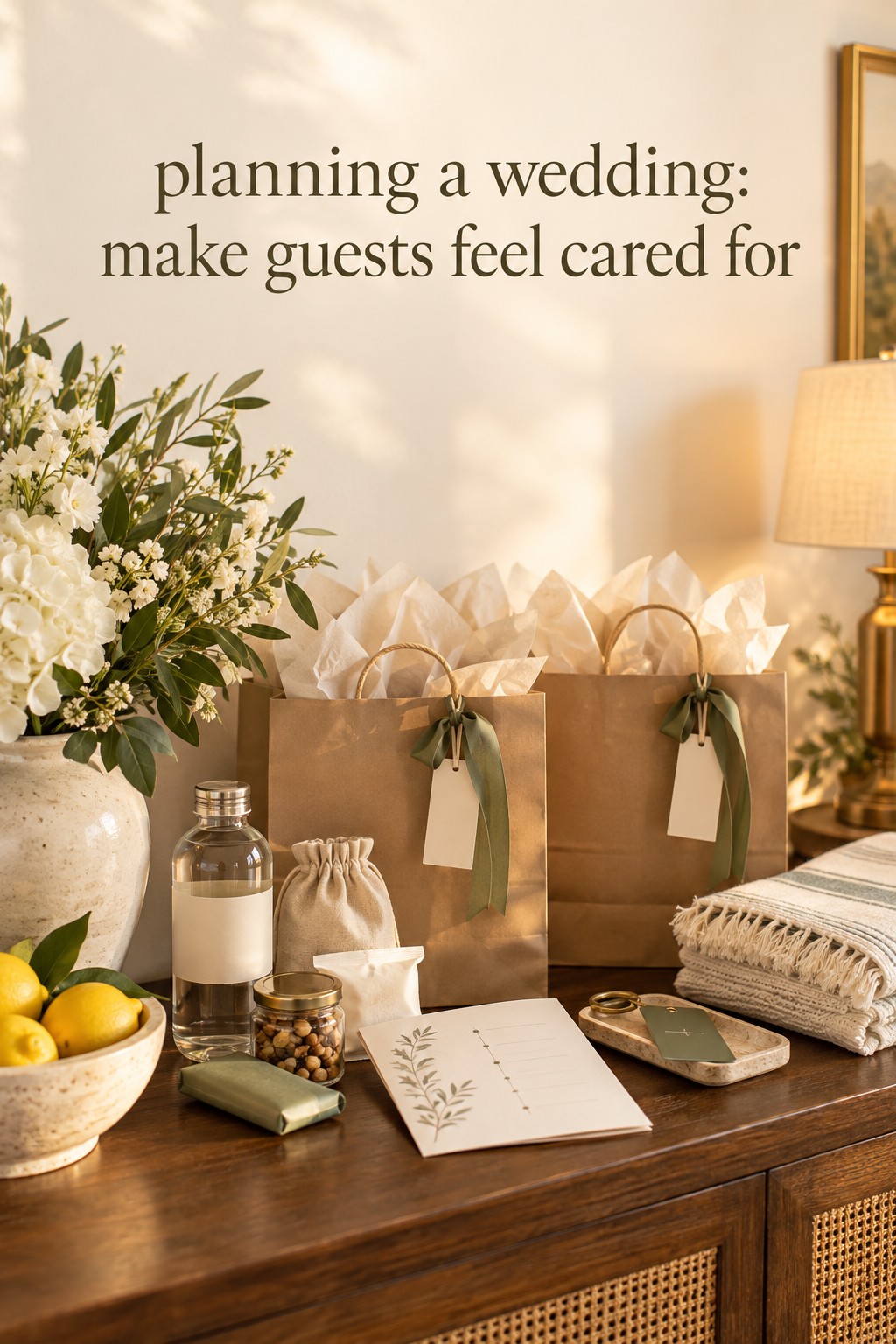
Hospitality details matter especially when guests are traveling. Provide clear information about lodging, transportation, parking, weather, dress expectations, and the distance between ceremony and reception. If your celebration has multiple events, create one simple weekend schedule. Guests should not have to search through several messages to learn where they need to be.
Outdoor weddings need a rain plan that you would genuinely be happy to use. Ask how quickly the venue can make the change, where guests will wait, how sound and lighting will work, and whether the alternative affects your floor plan or photography. Weather planning is not negative thinking. It is a way to protect the experience you are creating.
Accessibility should be considered at the beginning, not added as a last-minute accommodation. Look at entrances, paths, restrooms, seating, sound, lighting, transportation, and communication. Ask guests privately if they need anything that would help them participate comfortably. Small changes can make a significant difference, and they often improve the experience for everyone.
- Choose details that reflect your relationship or improve guest comfort.
- Make sure the visual plan works with the venue’s actual light, weather, and access rules.
- Consider how long each transition takes, including travel, portraits, meal service, and speeches.
- Give vendors context about the feeling you want, not only a folder of images.
- Keep one or two elements intentionally simple so the day has breathing room.
Finally, protect time to be present. Couples often spend months planning a beautiful event and then become the people everyone calls when a chair is missing or a vendor is late. Put someone else in charge of logistics. Eat before the reception gets busy. Build pauses into the schedule. A wedding does not need to be perfectly efficient to be successful. It needs to leave room for you to notice the people who came to celebrate with you.
FAQ
What is the first thing to do when planning a wedding?
Start with a shared conversation about the kind of experience you want, then agree on a rough guest range and realistic all-in budget. Those three pieces guide the date, venue, vendor priorities, and overall scale. You do not need a final theme before beginning, but you do need a common direction.
How long does planning a wedding usually take?
Many couples plan for about 12 to 18 months, especially when they want a popular venue or date. A shorter engagement can work for a smaller or flexible wedding, but it may limit vendor availability and increase rush decisions. Work backward from your date and identify the bookings that need the most lead time.
Do I need a wedding planner?
Not every couple needs full-service planning. Consider it if you want help with design, vendor selection, budget management, logistics, or a complex weekend schedule. If you enjoy planning but do not want to manage the wedding day, a month-of or day-of coordinator may provide the most useful support.
How can couples keep a wedding budget realistic?
Build the budget from the guest count, location, season, and priorities rather than from a generic percentage chart. Include taxes, service charges, gratuities, delivery, setup, attire alterations, stationery postage, transportation, legal fees, and a contingency amount. Compare proposals using the total expected cost, not only the starting price.
When should we finalize the guest list?
Begin a rough list early because guest count affects the venue and budget, but expect it to change as you learn more. Create clear rules for adding guests, plus-ones, children, and family obligations. Final numbers usually become firm after RSVPs, when you can finalize catering, seating, transportation, and hotel needs.
What if our plans change after we book vendors?
Review each contract and contact affected vendors quickly. Ask about date changes, postponement, cancellation, substitutions, and transferable payments. Keep a written record of every agreement. A flexible plan, a contingency fund, and a clear decision-maker make changes easier to manage than last-minute group conversations.
Leave a Reply