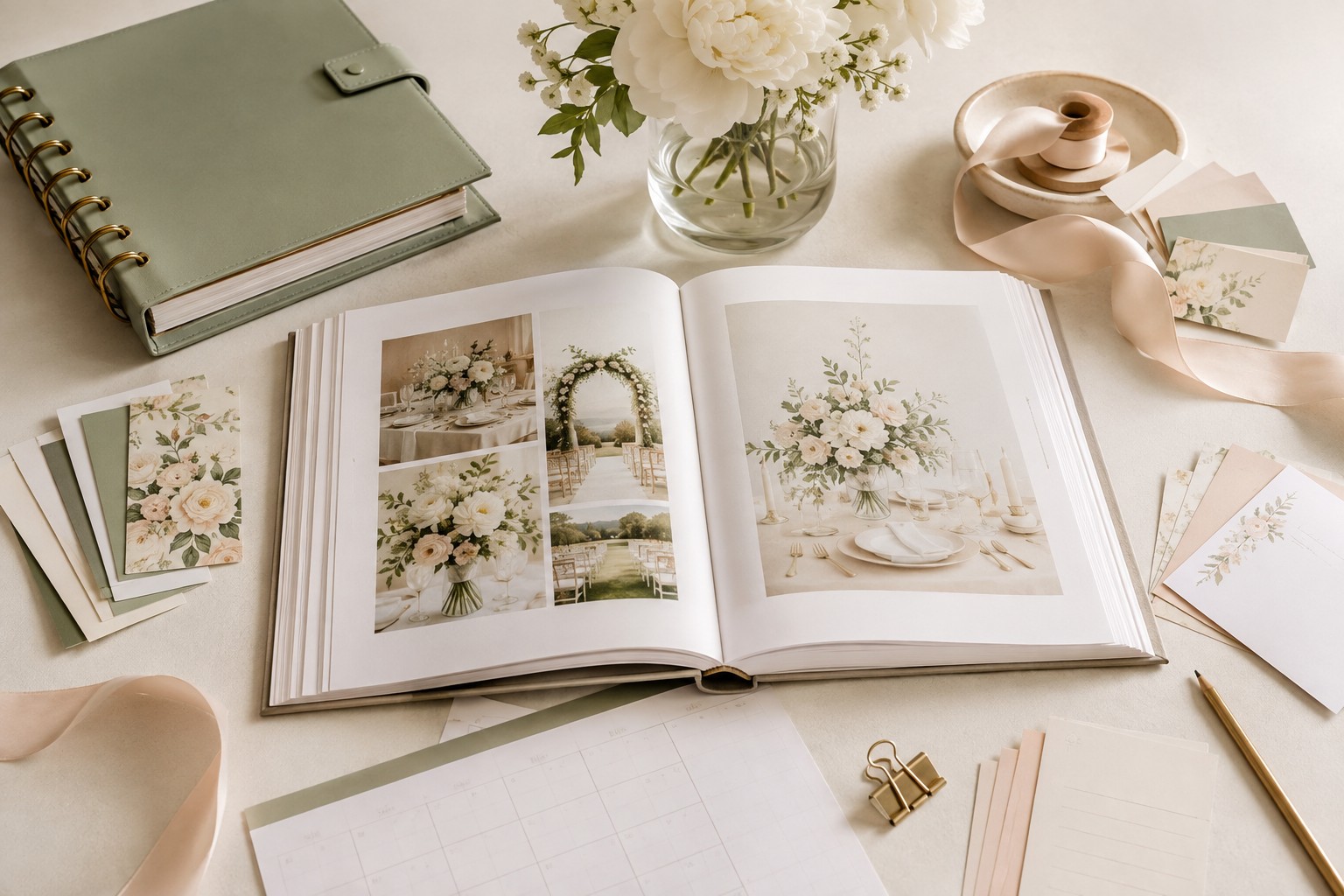
A wedding planning book can be the calm center of your engagement or one more pretty object that ends up untouched on a shelf. The difference is whether the book matches the way you make decisions, the complexity of your celebration, and the people who need access to the plan.
Some couples need a comprehensive binder with pockets for contracts, tabs for vendors, and room for a large guest list. Others need a small workbook that tells them what to do next. A six-month wedding may need a flexible sprint plan, while a destination celebration may need travel and hotel pages. The best wedding planning book is the one that makes the next decision obvious.

This guide compares the main formats, explains the features that matter, and shows how to combine paper and digital planning without creating two competing versions of your wedding.
Start with the decision your wedding planning book must solve
Before comparing brands, ask what currently feels difficult. If you do not know what comes first, you need a guided timeline. If your budget keeps changing, look for estimates, deposits, balances, and contingency tracking. If family members, a partner, and several vendors are involved, a portable notebook may not be enough. You may need a binder or a paper-and-digital hybrid with one shared source of truth.
Most planning systems manage five connected areas: money, people, time, suppliers, and the wedding day itself. The guest count affects the venue and catering estimate. The venue affects the date, floor plan, rentals, and transportation. The date affects every booking deadline. A useful book makes these connections visible instead of scattering them across random notes.
- Timeline: deadlines connect to your actual wedding date.
- Budget: estimates, deposits, balances, fees, and a buffer are visible together.
- Vendors: contacts, proposals, contracts, questions, and payment dates have a home.
- Guests: names, RSVPs, meals, addresses, and seating notes stay organized.
- Handoff: another person can understand the plan when you are unavailable.
Do not buy the most detailed book simply because it looks complete. Detail is useful only when you will maintain it. Your goal is enough structure to reduce mental load, with enough flexibility to reflect your wedding.
Compare the four main wedding planning book formats
There is no universal winner. The right format depends on how much information you need to store, how often plans may change, and whether you enjoy filling in worksheets. Think of the options as different tools for the same project.
Comprehensive binder: best for detail-heavy planning
A binder is the strongest choice for couples who expect a large guest count, many vendors, multiple events, or frequent collaboration with family. Dividers can separate the budget, venue, catering, photography, flowers, attire, stationery, guests, ceremony, reception, and honeymoon. Pockets give contracts, swatches, receipts, and printed proposals a physical home. The advantage is expandability. You can add a new vendor page, move a category, or insert a revised floor plan without rewriting the entire book.
The trade-off is weight and maintenance. A binder can become a mobile archive rather than a planning tool if every document goes inside without a naming system. Choose one with sturdy rings, useful dividers, and room for custom pages. Skip unnecessary decorative sections that take space from the information you will check every week.
Guided workbook: best for a clear next step
A guided workbook usually follows an intentional sequence. It may begin with priorities and values, continue through budget and guest count, then move to venue, vendors, design, invitations, and the final month. This format works well when you are newly engaged and want a gentle process rather than a blank notebook. Look for prompts that help you make decisions, not only pages that ask you to record them.
“What is your budget?” is less useful than a worksheet that separates contributions, estimated costs, deposits, remaining balances, and a protected buffer. “List your guests” is less useful than a page that includes addresses, RSVP follow-up, meal selections, and accessibility notes. The trade-off is that a guided book may feel restrictive when your wedding does not follow a standard sequence.
Minimalist notebook: best for small weddings and flexible thinkers
A minimalist wedding planning book is often compact, undated, and easy to carry. It suits a smaller celebration, a couple who prefers a simple plan, or someone who already keeps detailed information in a spreadsheet. Blank space can be valuable for sketches, ceremony ideas, vows, and notes from vendor meetings. The risk is that flexibility becomes inconsistency.
If you choose this format, create your own recurring page structure on the first spread: next decisions, budget snapshot, vendor contacts, open questions, and deadlines. Use the same headings every time you take notes. Without that small system, a minimalist book can become a collection of attractive but difficult-to-search pages.
Hybrid paper and digital system: best for shared planning
A hybrid system uses the wedding planning book for decisions, conversations, and quick reference while a spreadsheet or app stores changing data. The book might hold priorities, budget rules, vendor meeting notes, design direction, and the final handoff plan. The digital system might hold the live guest list, formulas, RSVP updates, and links to contracts.
This is practical for couples who plan across devices or locations. It works only if you decide which system is authoritative for each kind of information. The spreadsheet can be the source of truth for guest addresses, while the book is the source of truth for decisions. Write the location of every important file inside the book, and update the paper summary after major changes.
Use these criteria to choose with confidence
Once you know your format, compare individual books by function. A beautiful cover cannot compensate for missing pages that you will need every week. Read sample pages and imagine using them after a long vendor call. A good wedding planning book should make information easier to find, decisions easier to explain, and deadlines easier to remember.
Timeline and flexibility
A standard timeline often assumes twelve to eighteen months, a useful starting point for many U.S. couples. It should still let you enter your wedding date and work backward. Check whether deadlines can be written in, whether pages are dated or undated, and whether there is space for a short engagement. A six-month wedding does not remove the need for order. It compresses the time between decisions, so the book must help you see what cannot wait.
Budget and payment tracking
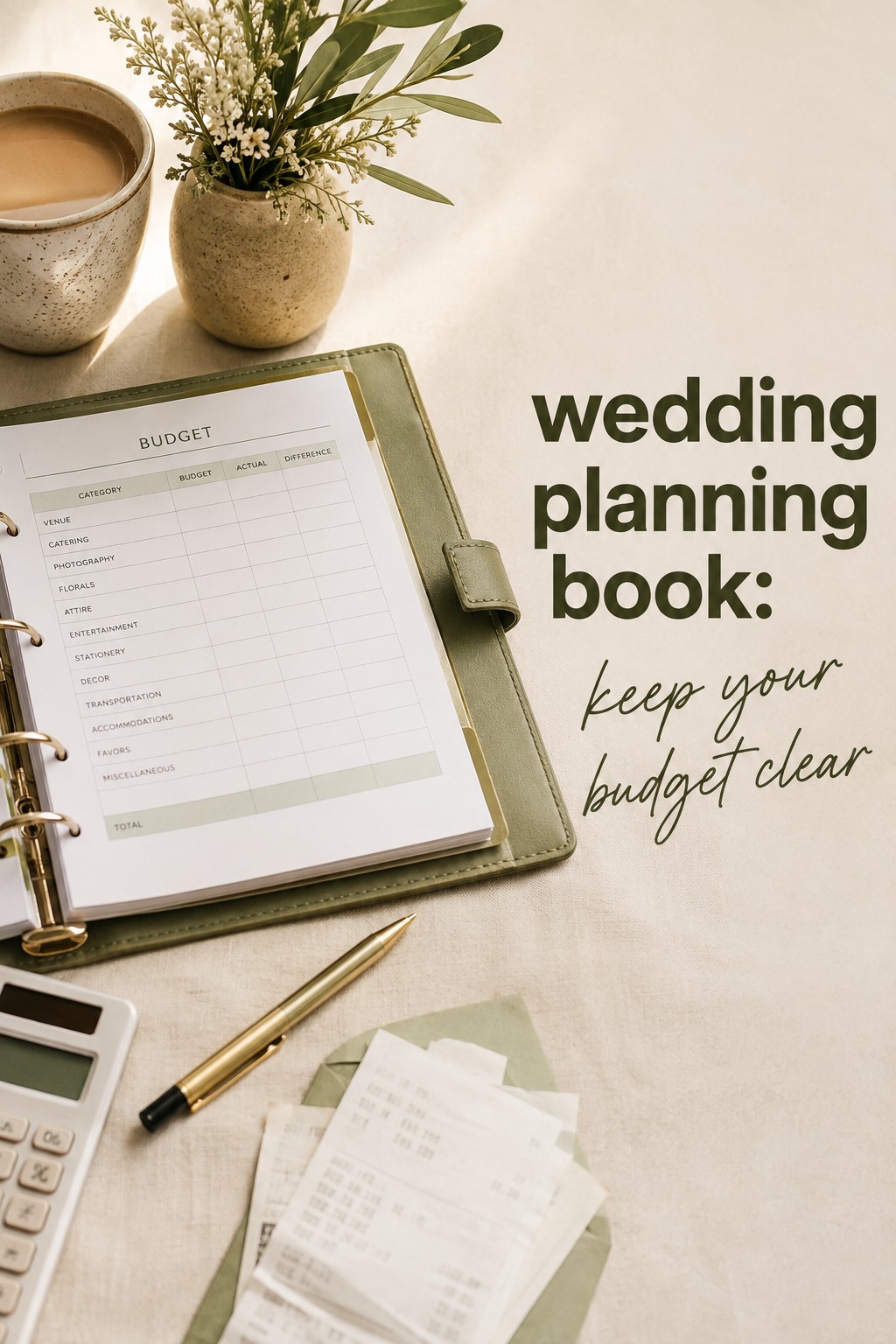
At minimum, the budget section should include category, estimate, quoted amount, deposit paid, balance due, due date, tax or service fee, and actual total. Add a contingency line before assigning every dollar. A book that only offers one total number may encourage false confidence, because a wedding budget is a schedule of commitments as much as it is a spending limit. Include a space for who approved each change when several people contribute money.
Vendor and contract organization
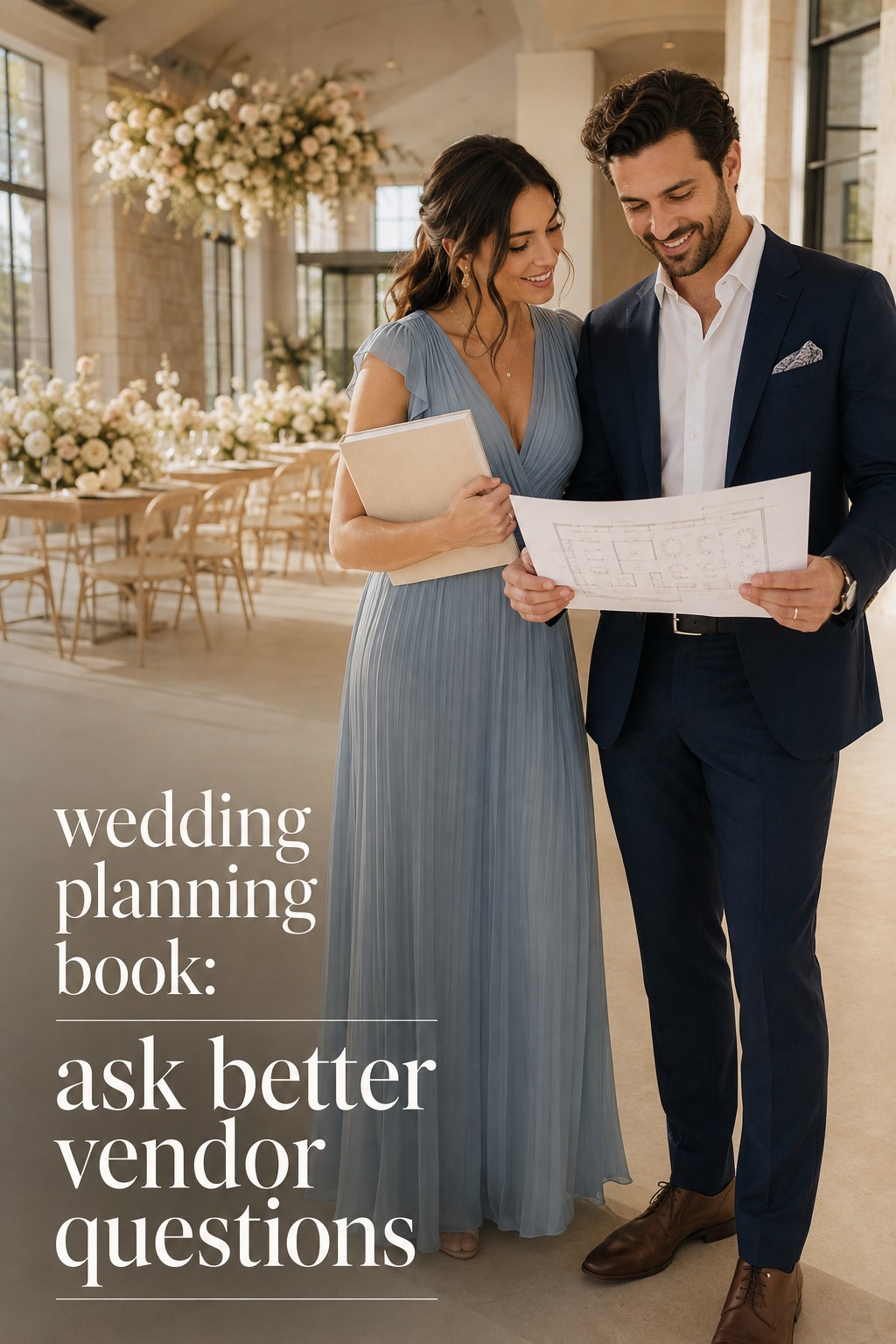
Vendor pages should make comparison easy. You want room for package details, availability, inclusions, overtime rates, cancellation terms, insurance requirements, payment schedule, and questions. A pocket is helpful, but never rely on storage alone. Write the contract filename or digital location on the summary page, and mark the date when you reviewed cancellation, weather, and meal policies.
Guest list and event logistics
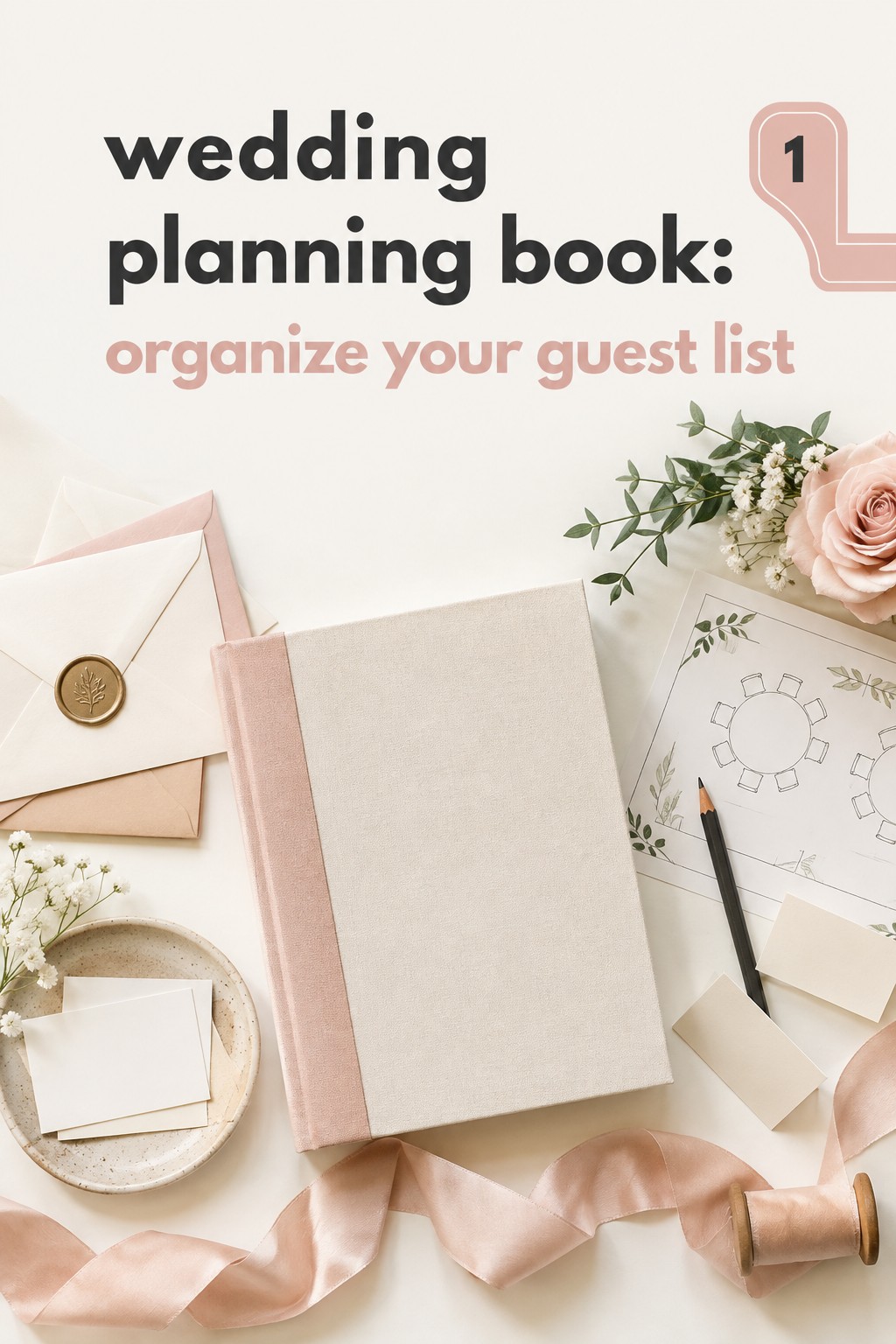
Guest pages are most useful when they go beyond names. Look for space for household grouping, mailing address, invitation status, RSVP, meal choice, dietary needs, hotel plans, and seating notes. If your book cannot hold the full list, that is fine if it clearly points to a digital list. For a destination wedding or weekend with several events, choose a system with pages for welcome activities, transportation, rehearsal plans, and farewell details.
Portability and collaboration
A planner that stays at home is not necessarily a problem, but know what you need at meetings. A compact book is easier to carry to venue tours. A binder is better for laying out several proposals at once. If a parent or partner helps with planning, consider whether they can read the handwriting, add notes, or access the digital companion. The best system lowers the number of explanations you must repeat.
Inclusive and personal prompts
Review the language before buying. A useful wedding planning book should make room for different family structures, pronouns, cultural traditions, religious or nonreligious ceremonies, and celebrations that do not follow a fixed script. It should invite you to define what matters rather than quietly assuming one wedding formula. Flexible prompts produce better decisions for every couple because they keep the planning centered on the people getting married.
Match the book to your planning situation
The same book can be excellent for one couple and frustrating for another. Use your situation as the final filter. A DIY couple needs more vendor and handoff structure. A courthouse couple needs legal documents and a short timeline. A destination couple needs travel and guest communication. The book should solve your actual constraints, not the imaginary wedding pictured in its marketing.
- DIY wedding: choose a guided workbook or binder with vendor questions, payment tracking, and a detailed day-of handoff.
- Small or courthouse celebration: choose a compact notebook with legal, attire, photography, witnesses, dinner, and budget pages.
- Six-month engagement: choose an undated system that works backward from the date and highlights the earliest bookings.
- Family contributors: record who has decision authority, who is paying each contribution, and where approvals are needed.
- Destination wedding: add travel, room-block, guest communication, passport, local requirement, and time-zone notes.
- Design-led planning: use space for swatches, sketches, rental inventories, and image references, then connect each idea to the budget.
If you want an extra layer of coordination, The Wedding Command Center can be a useful planning resource alongside your book. Use it to give the couple, family, and vendors a clear place to find the current plan, while the physical book remains the space where you think through decisions and keep meeting notes. The value is not adding another tool. It is making responsibilities and updates easier to see.
Whatever format you choose, set up the first five pages before filling in details: priorities, total budget and buffer, wedding date and countdown, next ten decisions, and the location of live guest and vendor files. This turns a purchase into a working system. Review those pages once a week and update the next decisions after every major booking.
Common mistakes that make a planner book fail
The most common mistake is buying for aesthetics alone. A linen cover, gold foil, and beautiful illustrations can make a book feel like the beginning of your wedding story, but they do not tell you whether the budget pages will work for your payment schedule. Read sample pages and imagine using them after a long vendor call. If the book looks good but makes you hunt for basic information, it is not doing enough.
The second mistake is creating duplicate truth. Couples often write one guest count in the book, keep another in a spreadsheet, and mention a third number in a group chat. Pick one live source for changing data. The book should summarize the latest position and note where the live version lives. Every collaborator should know which version wins when numbers disagree.
Another problem is storing contracts without recording the decisions inside them. A folder full of PDFs does not tell you which package you selected, when the balance is due, or what the vendor promised to bring. After each booking, write a one-page summary and attach the contract reference. Record inclusions and exclusions, because the missing detail is often the one that creates a last-minute cost.
Do not fill every page too early. Wedding plans change as you learn prices, visit venues, and hear what guests actually need. Leave room for revisions, and use pencil, removable tabs, or a page-numbered index if the book allows it. Finally, appoint a day-of point person and prepare a concise handoff section. A wedding planning book has done its job when you can stop managing every detail during the celebration.
FAQ
When should you buy a wedding planning book?
Buy one when you are ready to make shared planning decisions, ideally when you set a date or begin serious venue research. Start with priorities, budget, guest-count range, date options, and the next booking deadline. You do not need to complete every page immediately.
Is a wedding planning book better than an app?
Neither is automatically better. Paper is excellent for vendor meetings, visual thinking, handwritten notes, and a quick shared overview. An app or spreadsheet is better for searchable data, formulas, live guest updates, and collaboration across locations. Assign each system a clear job.
What sections should every wedding planning book include?
Every useful book needs a timeline, budget, guest list, vendor contacts, contract notes, ceremony and reception details, attire, stationery, transportation, and final-week tasks. Add sections for cultural traditions, accessibility, family responsibilities, travel, or multiple events when they apply.
Can a wedding planning book work for a six-month engagement?
Yes. Choose an undated book or flexible binder and work backward from the date. Secure the venue, date, photographer, and essential guest communication first. Then run attire, catering, music, flowers, transportation, and invitations in parallel when deadlines allow it.
How do you keep a wedding planning book organized?
Use consistent headings for every vendor, record dates and amounts immediately, and keep an index of contracts and digital files. Review the next ten decisions weekly. Remove outdated pages or mark them clearly so an old estimate cannot be mistaken for the current plan.
What should you hand to a day-of coordinator?
Prepare a short handoff with the final timeline, vendor contacts, arrival times, floor plan, ceremony cues, guest or accessibility notes, payment instructions, emergency contacts, and the location of contracts. Identify which pages are current and which decisions the coordinator can make.
Leave a Reply